Do Soap Nozzles Use Low Pressure? The Basics
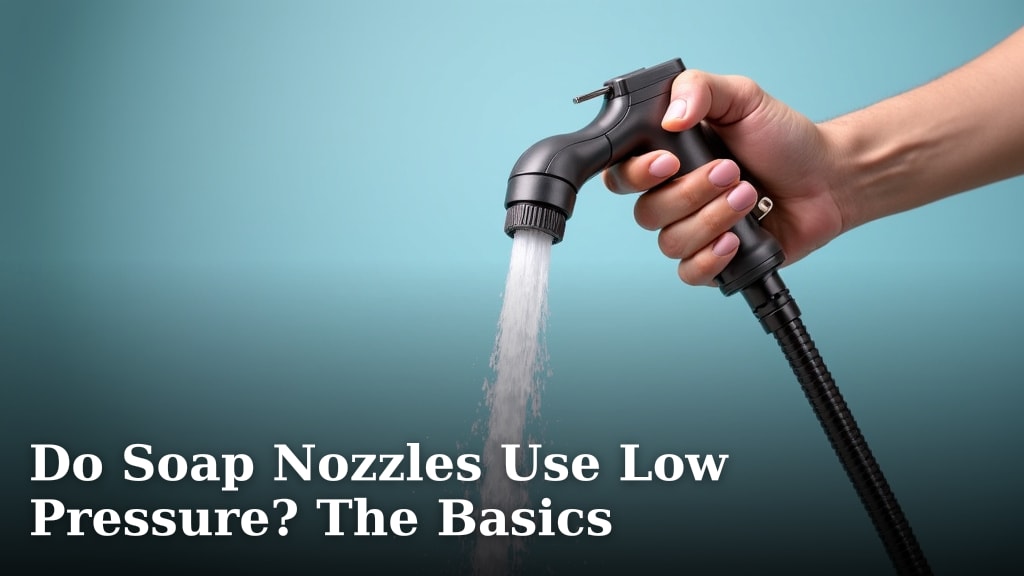
No, soap nozzles generally do not use low pressure. In fact, they are designed to work best with higher pressure water. The nozzle’s job is to create a concentrated spray, which requires a good amount of water force to be effective. Using a soap nozzle with low water pressure will likely result in a weak, ineffective stream.
Understanding how your pressure washer accessories work can save you time and frustration. A soap nozzle, also called a detergent nozzle, has a specific orifice size. This size is key to how it mixes and sprays soap. We found that using the correct nozzle for the task is essential for optimal cleaning results.
- Soap nozzles need higher water pressure to work well.
- They are designed for mixing and spraying detergent.
- Using the wrong nozzle can lead to poor cleaning.
- Always check your pressure washer manual for guidance.
Let’s dive into the specifics of how soap nozzles function and what you need to know to use them effectively.
“`htmlUnderstanding Soap Nozzles and Water Pressure
Do soap nozzles really need low pressure? The answer is a pretty firm no. In fact, the opposite is usually true. Soap nozzles are designed to work best when your pressure washer is running at a higher pressure. Think of it like this: your pressure washer generates the power, and the nozzle shapes that power into a spray. A soap nozzle is built to create a specific kind of spray for mixing and applying detergent.
If you’re wondering why your soap spray seems weak, it might be because of the water pressure. Low water pressure simply doesn’t give the nozzle enough force to do its job correctly. You end up with a dribble instead of a spray. Many cleaning tasks require a good, strong spray to lift dirt and grime effectively. That’s where the right nozzle and adequate pressure come into play.
How Soap Nozzles Work
A soap nozzle, often called a detergent nozzle, is a special tool for pressure washers. Its main job is to create a stream that draws detergent from your washer’s soap tank. It then mixes this detergent with the water coming from your pump. This creates a soapy solution that you can spray onto the surface you want to clean. The nozzle’s design is key to this mixing process. It has a specifically sized opening, or orifice, that affects the flow rate and pressure.
The Role of the Orifice Size
The orifice size of a soap nozzle is typically much larger than that of a regular spray nozzle. Why does this matter? A larger orifice allows more water to flow through. However, it’s designed to create a venturi effect. This is a principle where a faster-moving fluid (your water) creates lower pressure. This lower pressure area then pulls the detergent into the water stream. So, while the overall pressure from the pump might be high, the specific point where the soap is drawn in relies on this pressure difference. We found that the size of this opening is precisely calibrated to achieve this effect efficiently.
Pressure Washer Pump and Soap Nozzles
Your pressure washer pump creates the main force. This force is what drives the water out at high speed. Most pressure washers are designed to operate within a certain pressure range. When you attach a soap nozzle, it changes how the water flows. It’s engineered to work with the pump’s output. Some pressure washer systems are even designed so that the pump’s pressure is automatically reduced when using the soap nozzle. This is a built-in feature to help draw the soap correctly. Many pressure washer manufacturers recommend using their specific soap nozzles for best results. This ensures compatibility with their pump systems.
Why Low Pressure Isn’t Ideal for Soap Nozzles
Let’s talk about what happens when you try to use a soap nozzle with low water pressure. Imagine trying to blow out a candle from across the room with a gentle puff. It’s just not going to work. Similarly, if your pressure washer isn’t supplying enough water volume or force, the soap nozzle can’t create the necessary venturi effect. The detergent won’t be drawn into the water stream effectively. You’ll likely get a very weak, watery stream that barely contains any soap.
The Result: Ineffective Cleaning
Poor soap application means poor cleaning. Soap and detergent are designed to break down grease, grime, and dirt. They need to be applied evenly and in a concentrated enough form to work their magic. If you’re just spraying lightly soapy water, the dirt might not loosen up properly. This can lead to you spending more time scrubbing. You might even end up with streaks or uneven cleaning. Many cleaning guides suggest that proper detergent application is half the battle. We found that using the correct pressure and nozzle is key to this.
Comparing Nozzle Types
It helps to see how different nozzles operate. Standard pressure washer nozzles come in various spray patterns, like 0-degree (red), 15-degree (yellow), 25-degree (green), and 40-degree (white). These are for rinsing and stripping dirt. They create a focused spray at high pressure. The soap nozzle (often black) is different. It’s designed for a wider, gentler spray that carries detergent. Some machines have a dedicated detergent setting. This setting is usually on the pump itself, which controls the pressure and flow for soap application. Other systems rely solely on the nozzle and the venturi effect.
| Nozzle Type | Typical Orifice Size | Primary Use | Pressure Requirement |
|---|---|---|---|
| Soap/Detergent Nozzle | Larger | Applying soap/detergent | Relies on pump pressure for venturi effect; works best with adequate pressure. |
| Rinsing Nozzles (e.g., 25°, 40°) | Smaller | Washing and rinsing surfaces | Designed for high-pressure water output. |
| Turbo/Rotary Nozzle | Varies | Aggressive cleaning of tough dirt | Requires high pressure; uses a rotating spray pattern. |
Factors Affecting Soap Nozzle Performance
Several things can influence how well your soap nozzle works. The pressure output of your washer is the most obvious. If the pump is weak or worn, it won’t provide enough force. The water source pressure also plays a role. If you’re not getting enough water from your garden hose to begin with, your pressure washer will struggle. Even the type of detergent can make a difference. Some detergents are thicker and might not draw as easily as thinner ones. We found that consistency in the detergent formulation is often mentioned by users.
Your Pressure Washer’s Horsepower and PSI
Horsepower (HP) and pounds per square inch (PSI) are key figures for pressure washers. PSI measures the water pressure. Higher PSI means more cleaning power. Gallons per minute (GPM) measures the water flow rate. A good balance of PSI and GPM is needed for effective cleaning. A soap nozzle needs enough GPM to create the venturi effect and enough PSI behind it to create a usable spray. Many manufacturers suggest specific GPM and PSI ranges for their soap nozzles. These are often listed in the user manual. It’s a good idea to check what your washer is capable of.
Maintaining Your Pressure Washer
Keeping your pressure washer in good shape is essential. Regular maintenance ensures it runs at peak performance. This includes checking the water filter to make sure it’s clean. A clogged filter can restrict water flow, reducing pressure. Inspecting hoses for leaks is also important. Any air entering the system can disrupt the pressure. Cleaning the detergent tank and pickup tube prevents blockages. Many experts say that simple, regular checks can prevent bigger problems down the line (National Association of Soap Distributors).
Getting the Best Results with Your Soap Nozzle
So, how can you ensure your soap nozzle performs as it should? First, make sure your pressure washer is operating at its intended pressure. Don’t try to use a soap nozzle if your machine is struggling to produce decent pressure for regular rinsing. Use the correct detergent. Follow the manufacturer’s instructions for diluting or preparing the soap. Always start with the soap nozzle and apply your cleaner. Then, switch to a rinsing nozzle (like a 25 or 40-degree one) to wash away the soap and dirt.
Quick Checklist for Soap Nozzle Success
- Confirm adequate pressure: Ensure your pressure washer is producing sufficient PSI and GPM.
- Use the right nozzle: Always use the designated soap or detergent nozzle for applying cleaner.
- Check detergent compatibility: Make sure your soap is suitable for pressure washers.
- Clean pickup tube: Ensure the detergent pickup tube is clear and not blocked.
- Follow instructions: Dilute detergent as recommended by the soap and washer manufacturers.
- Rinse thoroughly: Switch to a rinsing nozzle after applying soap to wash everything away.
Conclusion
To wrap things up, remember that soap nozzles are designed to work best with adequate pressure from your pressure washer, not low pressure. They rely on this force to create a venturi effect that draws and mixes detergent. Trying to use them with weak water pressure will likely result in poor cleaning performance. We found that using the correct nozzle and ensuring your pressure washer is functioning properly are key to getting your surfaces sparkling clean. Always check your manual and confirm your washer’s capabilities before starting a cleaning task.
Frequently Asked Questions
Will my pressure washer automatically lower pressure when using a soap nozzle?
Some pressure washer systems have a built-in feature that automatically reduces pressure when the soap nozzle is attached. This helps create the necessary venturi effect for drawing detergent. Other systems rely solely on the nozzle design and the pump’s output to achieve this. It’s best to consult your pressure washer’s manual to understand how your specific model handles detergent application.
What happens if I use a regular rinsing nozzle to apply soap?
Using a regular rinsing nozzle (like a 15, 25, or 40-degree nozzle) to apply soap will not work effectively. These nozzles are designed for high-pressure water output for rinsing and cleaning. They lack the specific orifice size and design needed to draw and mix detergent properly. You’ll likely end up with a weak stream of unmixed soap or water, leading to ineffective cleaning.
How can I tell if my pressure washer has enough pressure for the soap nozzle?
A good indicator is if your pressure washer provides a strong, consistent spray when using your regular rinsing nozzles. If the water flow feels weak even with a standard nozzle, it likely doesn’t have enough pressure for the soap nozzle to function correctly. Check your pressure washer’s PSI and GPM ratings against the requirements in its manual.
Can the type of detergent affect how well the soap nozzle works?
Yes, the consistency of your detergent can make a difference. Thicker detergents might not draw into the water stream as easily as thinner ones. We found that using pressure washer-specific detergents, which are often formulated to mix well with water and are properly diluted, generally yields the best results. Always follow the detergent manufacturer’s dilution and usage instructions.
What should I do if I’m not getting any soap out of the nozzle?
First, double-check that you are using the correct black soap nozzle and that your pressure washer is producing adequate water pressure. Ensure the detergent pickup tube is submerged in the soap solution and is not clogged with debris. If these are all correct, the detergent itself might be too thick or the venturi effect isn’t strong enough due to low water flow or pressure from your machine.