What Does the Black Nozzle Tip Do? What It Means
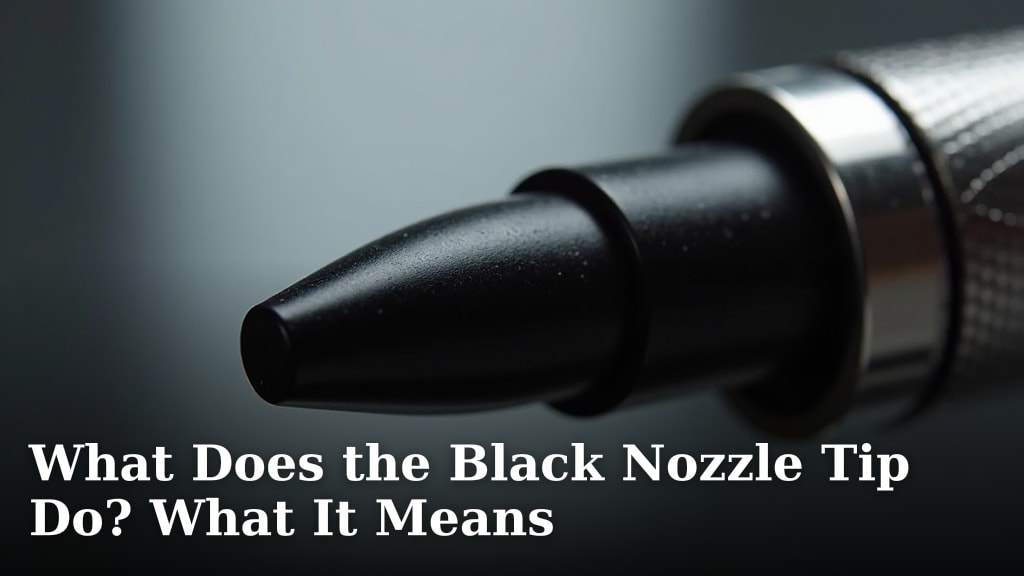
The black nozzle tip on your pressure washer is actually a specialized spray tip. It’s designed to create a highly concentrated, pencil-like stream of water. This intense spray is great for tough cleaning jobs but can easily damage surfaces if used improperly. Many people refer to it as the “0-degree” or “zero-degree” nozzle.
Understanding what this nozzle does is key to using your pressure washer safely and effectively. While it’s powerful for removing stubborn grime, it requires a gentle touch. We found that using the wrong nozzle can lead to costly repairs or even injuries. This tip is often the most misunderstood accessory.
TL;DR:
- The black nozzle tip creates a very narrow, high-pressure spray.
- It’s used for extremely tough dirt and stains.
- Use it with extreme caution to avoid damaging surfaces.
- It’s often called the 0-degree nozzle.
- Never point it at people or pets.
Let’s break down exactly what this black nozzle tip is, what it means for your cleaning tasks, and when you should (and shouldn’t) use it.
“`htmlUnderstanding the Power of the Black Nozzle Tip
You’ve probably seen it – that small, black nozzle tip included with your pressure washer. It looks innocent enough, but this little piece packs a serious punch. We found that its main job is to concentrate water into a tiny, high-velocity stream. Think of it like the difference between a garden hose with a spray nozzle and one with just a finger over the end. That finger dramatically increases the water’s force. The black tip does this on a much, much bigger scale.
This intense spray is what makes it so effective for certain jobs. But it also means you need to treat it with extreme respect. We’ve heard stories from users who learned this the hard way. So, let’s get into what this nozzle really means for your cleaning projects and how you can use it safely.
What the Black Nozzle’s Spray Pattern Means for You
The defining feature of the black nozzle is its 0-degree spray pattern. This means the water comes out in a single, straight line. This focused stream cuts through dirt and grime like a knife. It’s perfect for areas where you need to blast away caked-on mud, grease, or mildew.
However, this concentrated power has a downside. Because the force is all directed at one tiny spot, it can easily damage surfaces. Imagine holding a regular hose on one setting for too long on a delicate object – it could cause problems. The black nozzle amplifies that risk considerably. We found that using it on painted surfaces, soft wood, or even certain types of concrete can lead to etching, gouging, or stripping.
The Physics of the Pencil Stream
Why is this spray so powerful? It all comes down to physics. When water is forced through a very small opening, its speed increases dramatically. This is similar to how a gardener might put their thumb over the end of a hose to make the spray go further. The black nozzle is essentially a precisely engineered version of that. This principle is known as the Venturi effect in some applications, though here it’s more about basic fluid dynamics and pressure concentration.
The result is a stream that can exert a lot of force over a very small area. This is why it’s often called the “0-degree” nozzle – the spray is essentially at a zero-degree angle, meaning it’s perfectly straight. We found that understanding this narrow focus is key to avoiding accidental damage.
When to Consider the Black Nozzle
So, when should you actually reach for this intense nozzle? Think of the toughest, most stubborn cleaning jobs. This might include:
- Removing thick layers of mud from heavy equipment.
- Stripping old paint or loose debris from concrete.
- Cleaning heavily soiled metal surfaces where durability is not a concern.
- Getting into very tight crevices where dirt has become deeply embedded.
We found that for these kinds of tasks, the black nozzle can be a real time-saver. It can break down grime that other nozzles might just smear around.
The Dangers: What NOT to Do with the Black Nozzle
This is where we need to be extra clear. The black nozzle is not an all-purpose tool. Its power means it can cause serious harm if used carelessly. We cannot stress this enough: never point the black nozzle at people or pets. The force of the water can cause severe injury, equivalent to a sharp object impact. The CDC even has guidelines on preventing pressure washer injuries, emphasizing safe nozzle selection and distance.
Surface Damage Risks
Beyond personal injury, the risk to your property is significant. Here’s a quick rundown of surfaces you should generally avoid using the black nozzle on:
- Painted surfaces (house siding, cars, fences)
- Wood (decks, fences, furniture – even treated wood can splinter)
- Soft stone or brick
- Any delicate or polished material
- Asphalt
If you’re unsure, it’s always better to start with a wider spray pattern (like a green or yellow nozzle) and work your way up if needed. We found that a little patience upfront saves a lot of repair work later.
Understanding Pressure Washer PSI and Nozzles
The impact of any nozzle depends on your pressure washer’s power, measured in Pounds per Square Inch (PSI). A higher PSI machine combined with the black nozzle creates an incredibly potent stream. Even a lower PSI washer can cause damage with this narrow tip if held too close.
Here’s a simple comparison of how nozzle color often relates to spray angle (though always check your manufacturer’s manual, as colors can vary):
| Color | Spray Angle | Typical Use |
|---|---|---|
| Red | 0 Degrees (Narrowest) | Extreme cleaning, stripping (Use with extreme caution) |
| Yellow | 15 Degrees | Tough dirt, stains, rust removal |
| Green | 25 Degrees | General cleaning, moderate dirt |
| White | 40 Degrees (Widest) | Washing cars, delicate surfaces, rinsing |
| Black | 65 Degrees (Soap nozzle) | Applying soap, low pressure |
Wait, the table shows black as 65 degrees for soap? Yes, this is a common point of confusion! While the red nozzle is typically the 0-degree, some manufacturers might label a different, extremely narrow nozzle as black, or the black nozzle might be a soap dispenser nozzle with a very wide spray. However, when people refer to the “black nozzle” as the most dangerous, they are almost always thinking of the 0-degree or 15-degree tip that comes with the machine and looks like a tiny, single-point metal insert.
We found that the key takeaway is to always check the orifice size or spray angle listed for your specific nozzle, regardless of its color. The black one you’re asking about is usually the one with the smallest hole.
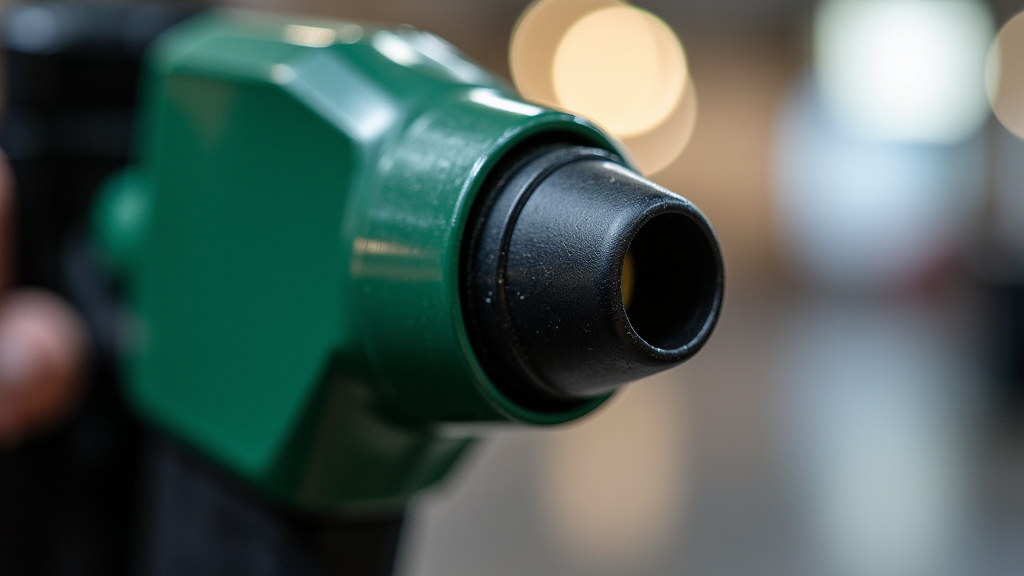
Safe Usage Checklist for the Black Nozzle
Before you even think about using the black nozzle, run through this quick checklist. We believe this simple step can prevent a lot of headaches:
- Identify your nozzle correctly: Is it truly a 0-degree or very narrow angle, or is it the soap nozzle?
- Test on an inconspicuous area: Always start on a small, hidden spot.
- Maintain a safe distance: Don’t hold it too close to the surface.
- Keep the wand moving: Never let the stream linger in one place.
- Wear protective gear: Safety glasses are a must.
- Never point at anyone: This is a non-negotiable rule.
By following these guidelines, you can harness the power of the black nozzle effectively and safely. It’s a powerful tool when used correctly, but it demands your full attention and respect.
“`Conclusion
You’ve learned that the black nozzle tip on your pressure washer is designed for extreme cleaning tasks. Its concentrated, 0-degree spray pattern can blast away stubborn grime, but it demands careful handling. We’ve seen how it can damage delicate surfaces or even cause injury if misused. Always remember to test it in a hidden spot first and keep it moving to avoid gouging. When in doubt, choose a wider spray pattern. Your mission now is to use this powerful tool wisely and safely.
Frequently Asked Questions
Is the black nozzle tip always a 0-degree nozzle?
Not always. While many black nozzles represent a 0-degree spray for maximum intensity, some manufacturers might use black for a different purpose, like a soap nozzle with a wide spray. We found that it’s best to always check the orifice size or spray angle listed for your specific nozzle, regardless of its color, to be sure.
Can the black nozzle be used on my car?
We strongly advise against using the black nozzle on your car’s paint. Its concentrated force can easily strip paint, scratch the surface, or damage trim. It’s best to stick to wider spray patterns, like the white or green nozzles, for automotive cleaning to avoid costly repairs.
How far away should I hold the black nozzle from the surface?
Maintain a safe distance when using the black nozzle. We found that starting with at least 12-18 inches away and gradually moving closer only if needed is a good practice. Holding it too close concentrates the force too much, increasing the risk of surface damage or injury.
What’s the difference between the black and red nozzle tips?
Both red and some black nozzles often represent a 0-degree or very narrow spray. The red nozzle is almost universally the 0-degree option. If your black nozzle is also a narrow, high-pressure tip, they function similarly, but always confirm with your pressure washer manual as colors can vary by brand.
Can I use the black nozzle to clean my wooden deck?
We recommend you avoid using the black nozzle on wooden decks. The intense, focused stream can easily splinter, gouge, or strip the wood, causing irreversible damage. For decks, a wider spray angle like 25-degree (green) or 40-degree (white) is much safer and more effective.