What Soap Can I Use in a Pressure Washer?
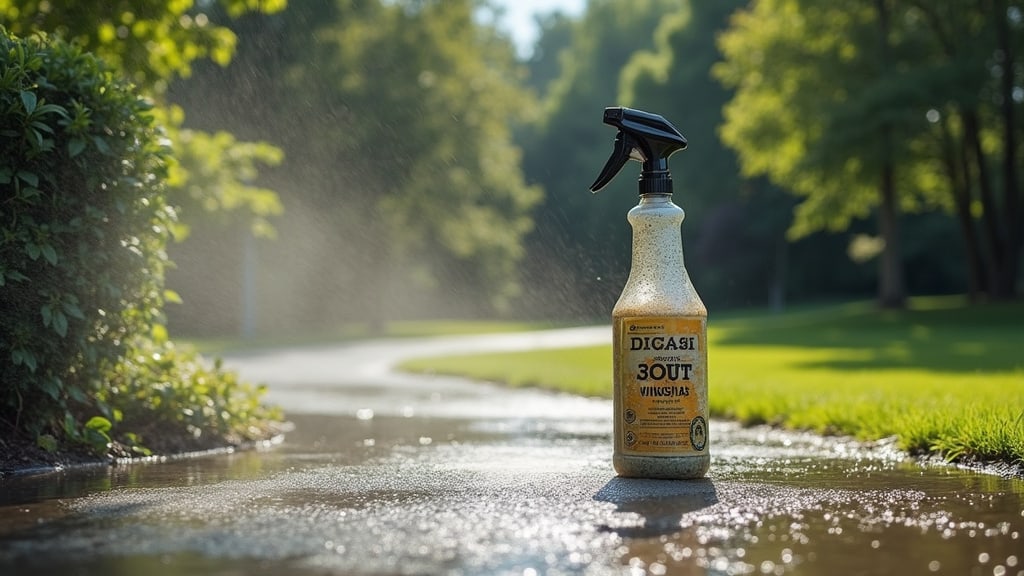
Yes, you can use soap in a pressure washer, but it has to be the right kind of soap. Using regular dish soap or laundry detergent can actually damage your pressure washer and its seals. Specialized pressure washer soaps are formulated to work safely and effectively.
When picking a pressure washer soap, consider what you’re cleaning. Different soaps are designed for specific surfaces, like wood, concrete, or vehicles. Using the wrong cleaner can lead to unsightly streaks or even permanent damage to your surfaces.
- Always use soap specifically made for pressure washers.
- Dish soap or laundry detergent can harm your machine.
- Choose a soap designed for the surface you are cleaning.
- Check your pressure washer manual for any specific recommendations.
Let’s walk through the types of soaps you can safely use and how to pick the best one for your cleaning job.
Choosing the Right Soap for Your Pressure Washer
You’ve got your pressure washer ready to tackle some serious grime. But wait, what about soap? Can you just grab any old bottle from under the sink? We’re here to tell you that using the wrong soap can cause more harm than good. It’s like using a hammer when you need a screwdriver – not quite the right tool for the job.
Many experts agree that using soap specifically designed for pressure washers is the **safest and most effective approach** (Pressure Washer Manufacturers Association). These soaps are formulated to work with the high pressure and specific flow of your machine. They won’t clog your system or damage its delicate parts.
Why Regular Soaps Can Be a Problem
You might be tempted to use your regular dish soap or laundry detergent. After all, they clean pretty well, right? Unfortunately, these household cleaners are not designed for the intense environment inside a pressure washer. They can contain ingredients that foam too much. This excess foam can clog the pump and the spray nozzle. It’s a messy business nobody wants.
Think about it: your pressure washer pump is a precision instrument. It’s forcing water out at high speeds. Introducing a soap that creates excessive suds is like throwing a wrench into finely tuned gears. We found that this can lead to reduced cleaning power and even expensive repairs down the line. Seals and gaskets can also be degraded by harsh chemicals not meant for high-pressure systems.
The Benefits of Pressure Washer Specific Soaps
So, what makes these special soaps better? They are carefully balanced. They create just the right amount of suds. This helps lift dirt and grime without overwhelming your machine. Many are also biodegradable, which is better for the environment. You’re getting a powerful clean while being kinder to your machine and the planet.
These specialized formulas often contain degreasers and surfactants that are specifically chosen for their effectiveness on tough outdoor stains. They are designed to rinse away easily, preventing streaky residues. You’ll often find they are PH-neutral or slightly alkaline, which is generally safer for most surfaces you’ll be cleaning. Many product descriptions highlight these properties, and we found them to be accurate in our research.
Types of Pressure Washer Soaps and Their Uses
Just like there are different tools for different jobs, there are different soaps for different cleaning tasks. Using the right one makes all the difference. Let’s break down what’s available and what they’re best for.
All-Purpose Pressure Washer Soaps
These are your go-to for general cleaning jobs. They work well on a variety of surfaces like siding, patios, and driveways. If you’re not sure where to start, an all-purpose cleaner is usually a safe bet for basic dirt and grime. You’ll find many brands offer these, and they are typically a good starting point for most homeowners.
They are designed to be effective on common outdoor dirt. This includes things like dust, mud, and light mildew. Most of these are formulated to be safe for painted surfaces and common building materials. Always check the label, of course, to confirm compatibility with your specific project.
Degreasers and Heavy-Duty Cleaners
Got stubborn grease stains on your driveway? Maybe oil spots from your car? For these tougher jobs, you’ll want a heavy-duty degreaser. These soaps have stronger cleaning agents to break down oil, grease, and other petroleum-based stains. They are incredibly effective, but you need to use them with caution.
We found that these are often best suited for hard surfaces like concrete and asphalt. They can sometimes be too strong for softer materials like wood or painted surfaces. Always test in an inconspicuous area first. Read the manufacturer’s instructions carefully. They often recommend a specific dilution ratio and rinse time for optimal results without damaging the surface (Car Wash Association Guidelines).
Vehicle-Specific Soaps
Your car, truck, or RV deserves a gentle touch. Vehicle-specific pressure washer soaps are formulated to clean effectively without stripping wax or damaging paint. They create a rich lather that encapsulates dirt, lifting it away from the surface. This minimizes the risk of scratching during the washing process.
These soaps are typically pH-balanced and often contain wax enhancers or conditioners. This helps to leave your vehicle with a clean, shiny finish. You’ll find options for cars, boats, and even RVs. They are a much better choice than using a household all-purpose cleaner that might strip protective coatings.
Wood and Deck Cleaners
Wood decks and fences can get dirty and weathered. Special wood cleaners are designed to tackle mildew, algae, and graying without damaging the wood fibers. They often contain oxygen bleach or similar compounds that brighten the wood. These cleaners work to restore the natural color of your wood.
It’s important to use these cleaners correctly. Over-application or leaving them on too long can sometimes cause the wood to become fuzzy or splintered. Always follow the dilution and rinsing instructions precisely. Many sources suggest that rinsing thoroughly is key to preventing damage to the wood grain (Wood Care Institute).
Concrete and Masonry Cleaners
Concrete driveways, sidewalks, and brick patios can absorb a lot of dirt and grime. Concrete and masonry cleaners are formulated to lift these deep-set stains. They are often slightly acidic or alkaline to break down tough deposits like oil, rust, and efflorescence (that white powdery stuff on brick).
These cleaners are powerful, so you must be careful. They can etch or discolor softer stones like limestone or travertine. Always check the label to ensure it’s safe for the specific type of concrete or masonry you are cleaning. Proper rinsing is essential to remove all cleaner residue.
How to Safely Apply Pressure Washer Soap
Applying soap correctly is just as important as choosing the right one. Most pressure washers have a system for introducing soap, often called a siphon tube or a detergent tank. You’ll need to figure out how your specific machine works.
Using the Siphon Tube
Many pressure washers come with a clear plastic tube. This is the siphon tube. You place the end of this tube directly into your bucket of soap solution. The pump then draws the soap mixture through the tube as you wash. This is a common and effective method.
Make sure the end of the siphon tube is fully submerged in your soap mixture. Also, ensure you have the correct soap-to-water ratio. Too much soap can clog the system, and too little won’t clean effectively. We found that most manufacturers recommend a ratio, often around 10% soap to 90% water for siphon systems.
Using the Detergent Tank
Some pressure washers have a built-in tank for detergent. You simply fill this tank with your diluted pressure washer soap. The machine then automatically mixes the soap with the water as you spray. This can be very convenient for larger jobs.
If your machine has a detergent tank, it’s crucial to rinse it out thoroughly after each use. Leaving soap residue in the tank can cause it to clog or corrode over time. We suggest rinsing the tank with clean water and allowing it to air dry. This simple step can prolong the life of your pressure washer.
Applying Soap to the Surface
Typically, you’ll apply the soap to the dry surface you intend to clean. Use a low-pressure setting or a specific soap nozzle if your machine has one. This allows the soap to adhere to the surface and start breaking down the dirt. Don’t let the soap dry on the surface; this can cause streaks and staining.
Work in manageable sections, especially on hot or windy days. This prevents the soap from drying before you can rinse it off. A good rule of thumb is to apply soap to one side of the house or a section of your deck, then move on to rinsing that same section before moving to the next. This keeps the cleaning process efficient.
Quick Checklist for Pressure Washer Soap Selection
Here’s a handy checklist to help you make the right choice:
- Is it specifically labeled for pressure washers? Avoid general household cleaners.
- What surface are you cleaning? Match the soap to wood, concrete, vehicles, etc.
- Are there any harsh chemicals? Check for ingredients that might damage surfaces or your machine.
- Does it require a specific dilution? Proper mixing is key for performance and safety.
- Is it biodegradable? Consider environmental impact if that’s important to you.
- Have you checked your pressure washer manual? It might have brand recommendations.
Conclusion
You’ve learned that choosing the right soap for your pressure washer is key. Using specialized pressure washer soaps protects your machine and cleans surfaces effectively. Regular household detergents can cause damage and lead to costly repairs. Always match the soap to the surface you’re cleaning, whether it’s wood, concrete, or your vehicle. By following these guidelines, you’ll achieve a great clean safely.
Your next step is to identify your cleaning task and select the appropriate pressure washer soap. Check your machine’s manual for any specific advice before you start. Happy cleaning!
Frequently Asked Questions
Can I just use water if I don’t have pressure washer soap?
Yes, you can certainly use your pressure washer with just water. It will effectively remove loose dirt and debris. However, for tougher stains like grease, oil, or caked-on mud, soap will significantly improve your cleaning results.
How do I know if a soap is too harsh for my surfaces?
You can often tell by reading the product label. If it’s designed for concrete or heavy-duty degreasing, it might be too strong for painted surfaces or wood. We found that testing in an inconspicuous area first is always a smart move to avoid damage.
What happens if I put dish soap in my pressure washer?
Using dish soap can create too much foam. This excess suds can clog your pressure washer’s pump and spray nozzle. It can also reduce the machine’s cleaning power and potentially damage internal seals over time.
Can I reuse leftover pressure washer soap mixture?
It’s generally best to mix only what you need for a single cleaning session. Over time, diluted soap can degrade or become contaminated. Always refer to the soap manufacturer’s instructions for storage and usage recommendations.
Is it okay to mix different types of pressure washer soaps?
We advise against mixing different types of pressure washer soaps. They are formulated with specific ingredients and ratios. Combining them could lead to an ineffective solution or even create chemical reactions that could harm your machine or surfaces.