What Is a Downstream Injector? A Full Breakdown
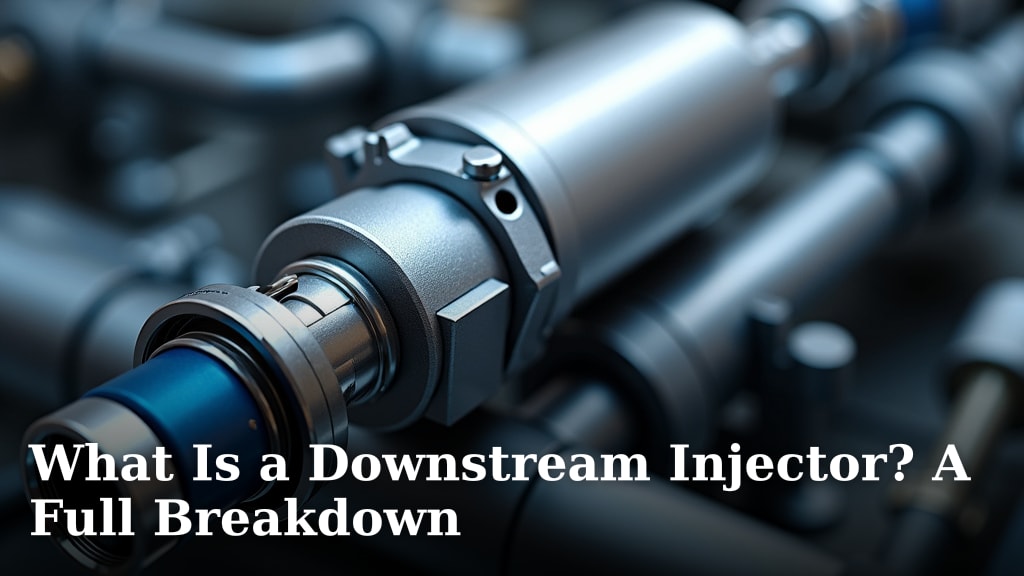
A downstream injector is a handy device that lets you add liquids like soap or wax to your pressure washer’s water stream. It’s a simple way to boost cleaning power for tough jobs. You’ll find it’s a key part of making your pressure washer work smarter, not harder.
Think of it as a sprayer attachment that acts like a built-in detergent dispenser. It connects between your pressure washer’s pump and the spray gun. This allows you to automatically mix cleaning solutions with the high-pressure water. We found that using one makes cleaning tasks much faster and more effective.
- What it is: A device for adding liquids to pressure washer water.
- How it works: Mixes soap/wax with water before it hits the nozzle.
- Why use it: Makes cleaning tougher grime much easier.
- Where it fits: Between the pump and spray gun.
- Benefit: Saves time and improves cleaning results.
Ready to learn how these work and how they can help you tackle dirty jobs? Let’s break down exactly what a downstream injector is and why you might want one for your pressure washing needs.
Understanding How a Downstream Injector Works
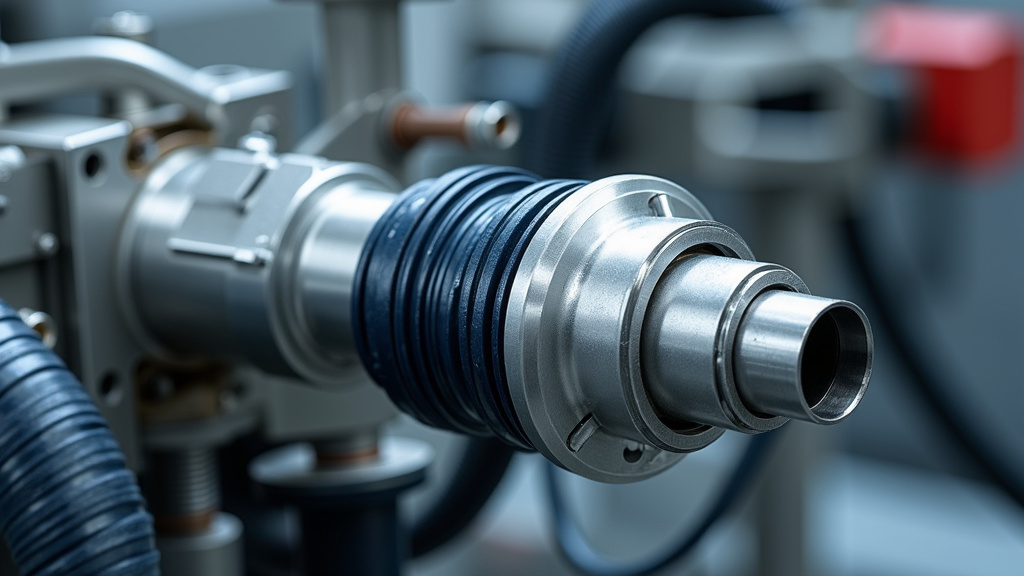
A downstream injector is a clever attachment for your pressure washer. It lets you automatically mix cleaning solutions with the high-pressure water. This means you can spray soap or degreaser right through your wand. We found it’s a simple way to make tough cleaning jobs much easier. It attaches between your pressure washer’s pump and the spray gun handle.
The Role of the Injector in Your Pressure Washer Setup
Think of your pressure washer like a garden hose, but much more powerful. The water comes from your faucet, goes through the pump, and then out the nozzle. A downstream injector fits into this line. It creates a venturi effect. This effect uses the rushing water to draw soap from a separate container into the water stream.
The Venturi Effect Explained Simply
You might have heard of the venturi effect. It’s a physics principle. When a fluid flows through a constricted section of a pipe, its speed increases. This increased speed causes a drop in pressure. The downstream injector has a small opening. Water speeds up as it passes this opening. This creates a low-pressure area. This low pressure sucks the cleaning solution up a small tube and into the main water flow.
Where It Connects: A Physical Connection
The connection points are usually straightforward. The injector sits in the line after the pump and before the trigger gun. So, water flows from the pump, through the injector, then to your spray gun. A small siphon tube goes from the injector into your bucket of cleaning solution. When you pull the trigger, the water flow activates the venturi. This pulls the soap up to mix.
Why You Might Need a Downstream Injector
Using a downstream injector can save you a lot of time and effort. It’s especially helpful for jobs where you need a lot of soap. Think about washing a dirty car, cleaning a greasy driveway, or tackling a grimy patio. Manually applying soap can be messy and slow. The injector automates this process.
Saving Time on Cleaning Tasks
When you use a downstream injector, you’re applying soap and rinsing with the same setup. You don’t need to switch between a soap applicator and your pressure washer nozzle. You just spray the soap solution, let it dwell, and then switch to your rinsing nozzle. Many users report significant time savings on larger projects.
Better Cleaning Results for Stubborn Grime
Cleaning solutions are designed to break down dirt and grease. When you apply them under pressure, they can lift away grime more effectively. A downstream injector ensures a consistent mixture. This consistent mix helps the cleaning solution work its best. We found that this leads to a cleaner finish, especially on heavily soiled surfaces.
Types of Downstream Injectors and Their Differences
While the basic function is the same, there are a few variations. The most common type is the fixed-orifice injector. These have a set size for the venturi. This means they mix soap at a specific ratio. Some injectors also come with adjustable flow rates. This gives you more control over how much soap is mixed.
Fixed vs. Adjustable Flow
A fixed-orifice injector is simple and reliable. You don’t have to worry about adjusting it. It’s set to mix soap at a common dilution ratio. An adjustable injector allows you to change the soap concentration. This can be useful if you’re using different types of cleaners or tackling varied levels of dirt. We found that for most everyday tasks, a fixed injector is perfectly adequate.
Material Matters: Brass vs. Plastic
Downstream injectors are made from different materials. Brass injectors are generally more durable. They can withstand higher temperatures and pressures. Plastic injectors are often less expensive. However, they might be more prone to damage over time. For heavy use, a brass injector is often a better investment.
How to Use Your Downstream Injector Effectively
Using a downstream injector is pretty straightforward once you have it set up. The key is to connect it correctly and use the right cleaning solutions. Always follow the instructions that come with your injector and your cleaning products.
Setting Up for Success: A Quick Checklist
- Ensure your pressure washer is turned off and disconnected from water.
- Connect the downstream injector between the pump outlet and the spray gun hose.
- Place the soap siphon tube into your bucket of diluted cleaning solution.
- Select a low-pressure nozzle (often a black one) for soap application.
- Turn on the water supply and start your pressure washer.
- Test the soap flow and adjust if needed (for adjustable models).
Choosing the Right Cleaning Solutions
Not all cleaning solutions are made for pressure washers. You need to use detergents specifically designed for pressure washers. These are formulated to work with the venturi system and not clog the injector. Avoid using household cleaners or bleach unless the manufacturer specifically states it’s safe. Many experts say using the wrong cleaner can damage your pump or the injector itself (Pressure Washing Institute).
Maintenance for Longevity
After each use, it’s important to flush your system with clean water. This removes any residual soap. Disconnect the siphon tube from the soap bucket. Then, run clean water through the injector for a minute or two. This prevents clogs and keeps the injector working smoothly. Store it in a clean, dry place.
Conclusion
You’ve learned that a downstream injector is a smart addition to your pressure washing setup. It simplifies applying cleaning solutions by automatically mixing them with water. This saves you time and helps you achieve better cleaning results on tough jobs. By understanding how it works and how to use it correctly, you can make your pressure washing tasks more efficient. Consider getting a downstream injector for your next big cleaning project to see the difference it makes.
Frequently Asked Questions
Can I use any soap with a downstream injector?
No, you should only use detergents specifically designed for pressure washers. These cleaners are formulated to work with the injector’s venturi system and won’t harm your equipment. Household soaps or bleach can clog the injector or damage your pressure washer’s pump.
Will a downstream injector slow down my pressure washer?
A properly functioning downstream injector will have a minimal impact on your pressure washer’s flow rate and pressure. It’s designed to create a venturi effect without significantly reducing the water’s power. If you notice a major drop, check for clogs or ensure it’s installed correctly.
How do I know if my pressure washer can use a downstream injector?
Most electric and gas pressure washers with a pump capable of producing at least 1000 PSI can use a downstream injector. You’ll need to connect it between the pump outlet and the high-pressure hose leading to your spray gun. Always check your pressure washer’s manual for specific compatibility information. Learn what PSI is safe for vinyl siding to avoid damage.
What’s the difference between a downstream injector and an upstream injector?
A downstream injector mixes soap after the water leaves the pump and before it reaches the spray gun. An upstream injector, on the other hand, is placed before the pump and can handle more concentrated solutions. For most homeowner tasks, a downstream injector is the more common and user-friendly choice.
How often should I flush the injector after use?
You should flush your downstream injector with clean water after every use. This removes any leftover cleaning solution that could dry and cause clogs. Simply disconnect the siphon tube from the soap and run plain water through the system for a minute or two.