What Is Pressure Washer Detergent Made Of?
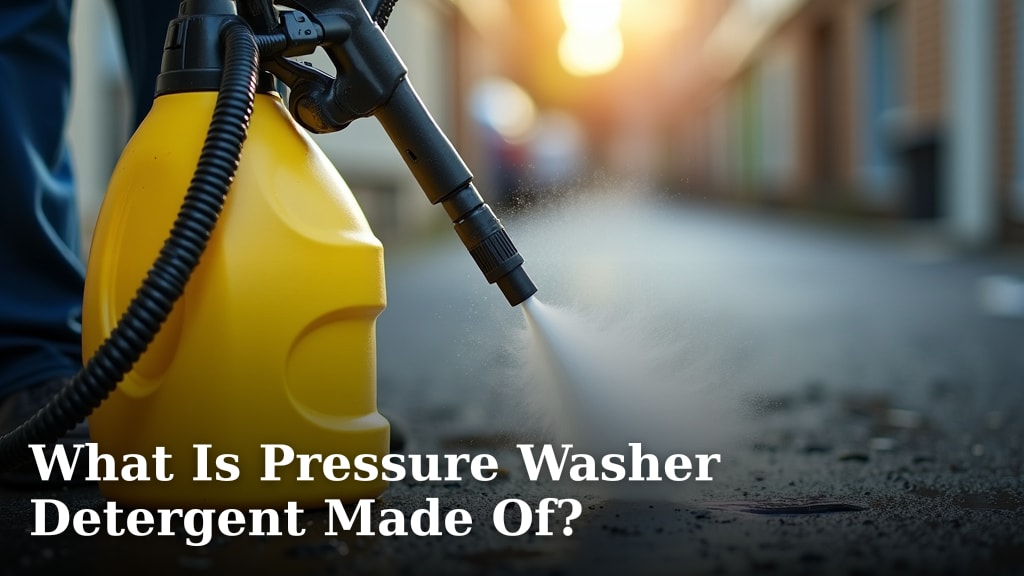
Pressure washer detergent is typically made of water, surfactants, and sometimes cleaning agents like builders or degreasers. These ingredients work together to lift and wash away dirt, grease, and grime from surfaces. You’ll find these key components in most commercial pressure washer soap formulas.
Understanding what’s inside helps you pick the right cleaner for your job. The purpose is to boost cleaning power beyond just plain water. Many detergents are formulated to be biodegradable for safer use around your home and garden.
- Pressure washer detergent is mostly water.
- Surfactants help loosen dirt and grime.
- Other additives boost cleaning or aid rinsing.
- Formulations vary by cleaning task and surface type.
Let’s take a closer look at the common ingredients found in pressure washer detergents and what they do.
Here is the main body content for your blog post:Breaking Down Your Pressure Washer Detergent
You’ve seen it on the shelves: the bottles promising to make your pressure washing job easier. But what exactly are you spraying onto your house or driveway? Pressure washer detergents are essentially specialized cleaning solutions. They’re designed to work with the high-pressure water stream to tackle tough grime. Think of them as a super-powered handshake between water and dirt. They help break the bond that holds dirt and grease to surfaces.
The core purpose of these soaps is to boost cleaning power. Plain water is good for rinsing, but it struggles with baked-on dirt or oily stains. Detergents are formulated to cut through those tougher messes. They make your pressure washer work smarter, not just harder. This saves you time and effort. It also often leads to a cleaner result than water alone.
The Main Ingredient: Water
It might seem obvious, but water is the primary component in most pressure washer detergents. You’ll find it makes up the bulk of the liquid in the bottle. This is practical for several reasons. Water is the solvent that carries the active cleaning ingredients to the surface. It also helps dilute the concentrated cleaner to a safe and effective level for your machine and the surface you’re cleaning.
Think of water as the delivery truck for the cleaning power. It’s the foundation upon which the rest of the formula is built. Without water, the other ingredients would just be powders or thick pastes. Water makes them easy to spray and spread. It’s also the main rinsing agent once the dirt has been loosened.
The Cleaning Stars: Surfactants
Now, let’s talk about the real workhorses: surfactants. This is a fancy term, but it’s an important one. Surfactants are chemicals that reduce the surface tension of water. This means they help water spread out more easily and penetrate surfaces better. They are the reason soap creates lather and helps lift dirt.
How do they do this magical work? Surfactants have a unique molecular structure. One end of the molecule loves water (it’s hydrophilic). The other end hates water but loves oil and grease (it’s hydrophobic). This dual personality allows them to surround dirt and grease particles. They lift them off the surface and suspend them in the water. This makes it easy for the water pressure to wash them away.
Different types of surfactants are used. Some are great at lifting general dirt and grime. Others are specifically designed to tackle oily or greasy messes. Manufacturers choose them based on the intended use of the detergent. For instance, a driveway cleaner might have stronger degreasing surfactants than one for washing your car.
Boosting the Clean: Other Additives
Beyond water and surfactants, pressure washer detergents often contain other ingredients. These additives enhance the cleaning performance or improve the overall experience of using the product. They are often present in smaller quantities but play a vital role.
Builders and Chelating Agents
Sometimes, your tap water can be “hard.” This means it has a high mineral content. These minerals can interfere with the performance of surfactants. They can make it harder for the soap to lather and clean effectively. Builders and chelating agents are added to counteract this. They “soften” the water by binding to these minerals. This allows the surfactants to work at their best.
This is especially important in areas with hard water. Without these agents, you might find yourself using more soap than necessary. You might also notice soap scum or residue left behind. Many experts recommend using detergents with builders if you have hard water. This helps ensure a cleaner finish.
Degreasers
For really tough jobs, like cleaning a greasy garage floor or a workshop, specific degreasers might be included. These are powerful agents designed to break down heavy oils and fats. They often work by emulsifying the grease. This means they break it into smaller droplets that can be suspended in water and washed away.
You’ll find these in detergents marketed for automotive or shop use. They are usually stronger than general-purpose cleaners. Always check the product label to ensure it’s suitable for the surface you plan to clean. Using a degreaser on delicate surfaces could cause damage.
Corrosion Inhibitors
Your pressure washer itself is made of metal parts. Some cleaning chemicals can be corrosive. To protect your equipment, manufacturers often add corrosion inhibitors to pressure washer detergents. These ingredients form a protective layer on metal surfaces. This prevents rust and damage from the cleaning agents. This is a thoughtful addition that helps your investment last longer.
It’s a smart move for manufacturers to include these. They want you to have a good experience with their product and their equipment. Protecting your pressure washer is part of ensuring successful cleaning.
Fragrances and Dyes
You might notice that some detergents have a pleasant smell or a specific color. These are often added for aesthetic purposes. Fragrances mask any chemical odors and make the cleaning experience more enjoyable. Dyes can make the product easier to see and help you ensure even coverage. These ingredients don’t typically add to the cleaning power itself.
They are there for your sensory experience. Think of them as the “packaging” of the cleaning power. They make the product more appealing and user-friendly.
Understanding pH Levels in Detergents
The pH scale tells you how acidic or alkaline a substance is. This is an important factor in cleaning. Different pH levels are effective for different types of grime. Many pressure washer detergents fall into specific pH ranges to target common cleaning needs.
Alkaline Cleaners (High pH)
Alkaline cleaners are great for cutting through organic matter. This includes grease, oil, and general dirt. They are often used for cleaning driveways, patios, and heavily soiled surfaces. An alkaline cleaner essentially breaks down these types of grime effectively. They work by saponifying grease, turning it into soap-like substances that can be rinsed away.
Many experts suggest that alkaline cleaners are excellent for removing stubborn stains. They are very effective at lifting traffic film and oily residues. However, they can be too harsh for certain materials like painted surfaces or soft metals. Always test in an inconspicuous area first.
Acidic Cleaners (Low pH)
Acidic cleaners are typically used for removing mineral deposits. This includes things like rust stains, hard water spots, and efflorescence (a white powdery residue on concrete or brick). They work by dissolving these inorganic materials.
You’ll find acidic cleaners useful for tackling specific problems. For example, cleaning concrete that has developed white powdery streaks. Or removing rust stains from siding. Like alkaline cleaners, they can be harsh. They require careful use and thorough rinsing. They are often more specialized than general-purpose cleaners.
Neutral Cleaners (pH 7)
Neutral cleaners are the mildest option. They have a pH close to that of pure water. These are ideal for surfaces that are sensitive or easily damaged. Think of painted surfaces, wood decks, or vehicles. They clean effectively without being overly aggressive.
If you’re unsure about the best detergent for a particular surface, a neutral cleaner is often a safe bet. They still contain surfactants to lift dirt. They just do so gently. Many eco-friendly or “green” cleaners tend to be pH neutral. This aligns with their focus on minimal impact.
Eco-Friendly Formulations
You might see labels like “biodegradable” or “eco-friendly” on pressure washer detergents. This means the ingredients are designed to break down more easily in the environment. Standard detergents can sometimes contain harsh chemicals that persist. These eco-friendlier options aim to reduce that impact.
Biodegradable surfactants are common in these formulations. They are designed to be broken down by microorganisms in soil and water. This is a responsible choice for consumers who are concerned about their environmental footprint. Many government guidelines encourage the use of such products (EPA).
These detergents still offer effective cleaning power. They achieve this by using different combinations of surfactants and additives. The goal is to achieve good results while being gentler on the planet. It’s a smart way to maintain your property and care for your surroundings.
A Quick Ingredient Checklist for Shoppers
When you’re picking out a detergent, keep this simple checklist in mind:
- Water: The main liquid carrier.
- Surfactants: The dirt and grease lifters.
- Builders/Chelators: Help in hard water.
- Degreasers: For heavy oily messes.
- Corrosion Inhibitors: Protect your equipment.
- pH Level: Matches the type of dirt and surface.
Knowing these components helps you make an informed choice. It ensures you get the best cleaning results for your specific task.
Conclusion
Understanding what’s inside your pressure washer detergent transforms you from a casual user to a knowledgeable cleaner. You now know that water is the base, surfactants are the primary cleaners lifting dirt, and various additives like builders and degreasers enhance performance for specific jobs. Paying attention to the pH level and eco-friendly labels also helps you choose the right product for your surfaces and your environmental concerns. With this knowledge, you can confidently select the best detergent for a truly clean and well-maintained property. Next time you shop, look for the ingredients that best match your cleaning challenge.
Frequently Asked Questions
Can I use dish soap in my pressure washer?
It’s generally not recommended to use regular dish soap in your pressure washer. Dish soap isn’t formulated for the high pressure and flow rates of a pressure washer. It can create too much foam, potentially damaging your pump and other machine parts. Stick to detergents specifically designed for pressure washers.
Are all pressure washer detergents safe for plants and gardens?
Not all of them. While many modern pressure washer detergents are formulated to be biodegradable, some stronger cleaners can still harm plants and lawns. Always check the product label for warnings about plant safety. If unsure, use a neutral pH cleaner and rinse surrounding plants thoroughly with plain water.
How do I know if I need an alkaline or acidic pressure washer detergent?
You need an alkaline detergent for organic messes like grease, oil, and general grime. Acidic detergents are best for inorganic stains like rust, hard water spots, or efflorescence (a white powdery residue on concrete). For general cleaning or sensitive surfaces, a neutral detergent is often the safest choice.
What does “biodegradable” mean for pressure washer detergent?
Biodegradable means the ingredients in the detergent are designed to break down naturally over time into simpler, less harmful substances. This reduces their long-term impact on the environment. It’s a good indicator that the product is formulated with ecological considerations in mind.
Can corrosion inhibitors in detergent really protect my pressure washer?
Yes, corrosion inhibitors are a smart addition to pressure washer detergents. They help protect the metal components of your pressure washer from rust and damage caused by cleaning chemicals. This can extend the life of your equipment and keep it working efficiently.