Can You Use Bleach in a Pressure Washer?
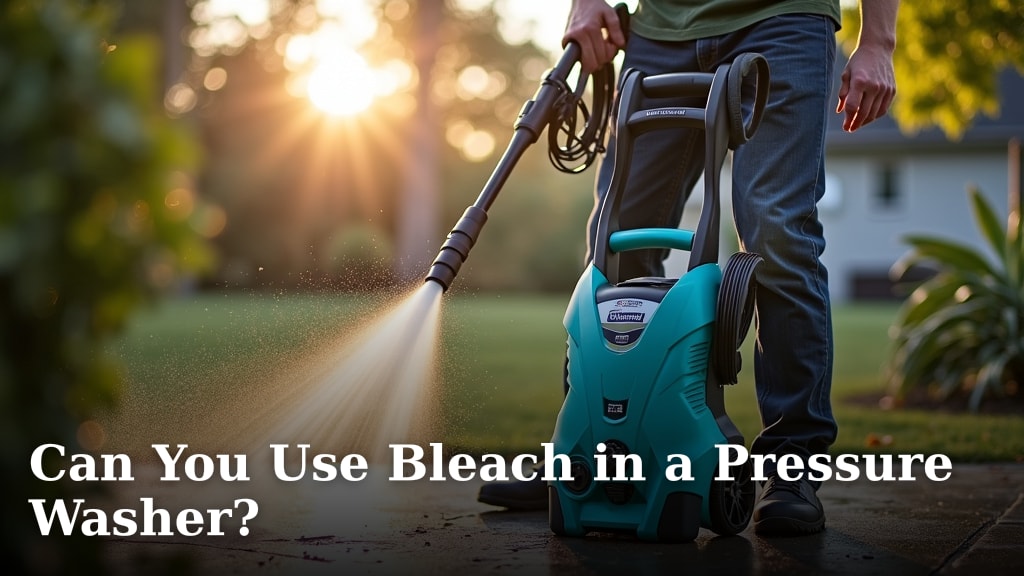
You can use bleach in a pressure washer, but it’s not always the best choice for every job. While bleach is a powerful disinfectant, it can sometimes damage surfaces and harm plants if not used carefully. We’ll look at when it makes sense and safer alternatives for your cleaning projects.
Many homeowners want a quick fix for stubborn mold and mildew. Bleach seems like a simple answer to deep cleaning your home’s exterior. However, your pressure washer’s pump and seals can be negatively affected by undiluted bleach. Understanding the risks is key to a successful clean.
- Bleach can be used in some pressure washers for cleaning.
- Always dilute bleach properly before use.
- Never let bleach sit on sensitive surfaces like painted wood or plants.
- Consider safer, specialized pressure washer cleaning solutions.
- Rinse thoroughly after any bleach application.
Let’s break down how to use bleach safely with your pressure washer, and when you might want to grab something else instead.
When Can You Safely Use Bleach with a Pressure Washer?
You absolutely can use bleach in your pressure washer for certain cleaning tasks. It’s a powerful tool for killing mold and mildew. But you need to use it the right way. We found that improper use can damage your machine and your property.
Understanding Bleach’s Role in Pressure Washing
Bleach is mainly used as a disinfectant. It excels at removing organic stains like algae and mold. Many cleaning professionals use it for stubborn spots on driveways, decks, and siding. It can make dingy surfaces look almost new again. Just remember it’s a strong chemical.
What Bleach Does to Grime
Bleach works by breaking down organic matter. This is why it’s so effective against mold and mildew. It essentially “bleaches” the color out of these growths. It also kills the spores, preventing them from growing back too quickly. It’s like magic for tough stains, but you have to be careful.
The Risks Involved
Using bleach with a pressure washer isn’t without risks. Undiluted bleach can corrode metal parts in your machine. It can also damage delicate surfaces like unsealed wood or certain types of paint. Plants and grass can be killed by even diluted bleach. You have to be **very mindful** of what you’re spraying.
How to Properly Use Bleach in Your Pressure Washer
If you decide bleach is the right choice, proper dilution is key. Most pressure washer manufacturers recommend a specific bleach-to-water ratio. Always check your owner’s manual first. This will guide you on safe mixtures for your machine.
Dilution: The Most Important Step
Never pour straight bleach into your pressure washer’s detergent tank. Doing so can severely damage the pump and seals. We found that a common recommendation is to dilute bleach with water. A ratio of 1 part bleach to 10 parts water is often suggested for general cleaning. For tougher jobs, you might go up to 1 part bleach to 4 parts water, but this is pushing it. Always start with a weaker solution and increase if needed. Think of it like making a strong cup of tea – you don’t want it too bitter.
Using the Detergent Tank or a Siphon Tube
Many pressure washers have a built-in detergent tank or a siphon tube. This is the safest way to apply your diluted bleach solution. The machine will draw the solution and mix it with the high-pressure water stream. This ensures a more controlled application. If your machine doesn’t have this feature, you’ll need a separate garden sprayer for applying the bleach mixture.
Application and Dwell Time
Once diluted and ready, apply the solution to the dirty area. Don’t let the bleach solution dry on the surface. This can cause streaking or damage. You typically want to let it sit for a few minutes, maybe 5-10 minutes, to work on the grime. Then, rinse thoroughly. We found that letting it sit too long is a common mistake that leads to problems.
Rinsing is Crucial
After the bleach has had time to work, you must rinse the area completely. Use plain water from your pressure washer. Ensure all traces of the bleach solution are gone. This is important for protecting the surfaces you cleaned and any surrounding plants. Thorough rinsing prevents residual damage. It’s like washing soap off your hands – you want to get it all off.
When Bleach Might NOT Be the Best Option
While bleach is effective, it’s not always the ideal cleaner. Some surfaces can be permanently damaged by it. Also, environmental concerns might lead you to seek alternatives. Thinking about these factors will help you make the right choice for your project.
Protecting Sensitive Surfaces
Painted wood, stained decks, and certain types of stone can be discolored or etched by bleach. The harsh chemicals can strip away finishes and natural beauty. If you’re cleaning something delicate, bleach is probably not your friend. We found that many homeowners regret using bleach on their nice wood furniture.
Impact on Plants and Landscaping
Even when diluted, bleach can harm your garden. It can kill grass, wilt flowers, and damage shrubs. If you have a lot of landscaping near the area you need to clean, extra caution is needed. Covering plants is an option, but it’s often easier to use a different cleaner. The environmental impact is a big consideration.
Considering Safer Alternatives
Fortunately, there are many effective and safer cleaning solutions available. Many are specifically designed for pressure washers. These products are formulated to be tough on grime but gentler on surfaces and the environment.
Specialized Pressure Washer Cleaners
You can find cleaners designed for decks, siding, concrete, and more. Many of these are biodegradable and phosphate-free. They often contain enzymes or milder detergents that break down dirt and stains effectively. Some even include brighteners to enhance the appearance of surfaces. These are often a better first choice.
Vinegar and Other Household Items
For some milder cleaning jobs, you might consider diluted vinegar. However, vinegar is acidic and can also damage certain surfaces like concrete or natural stone. It’s generally less effective on heavy mold and mildew than specialized cleaners or even diluted bleach. Baking soda paste can also work for scrubbing, but it’s not suitable for pressure washing.
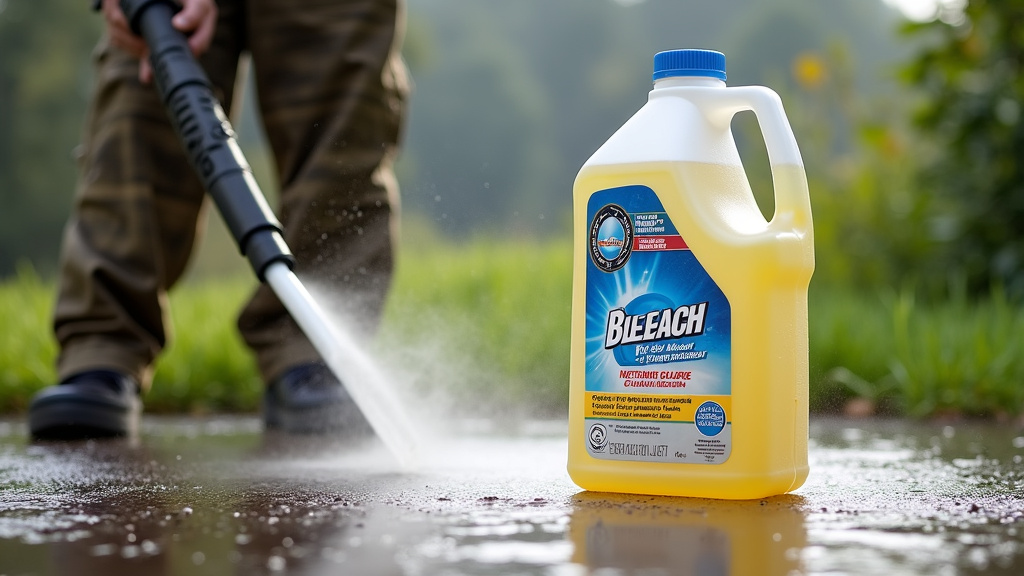
Your Pressure Washing Bleach Checklist
Before you grab that bottle of bleach, run through this quick checklist. It will help you decide if bleach is the right choice and how to use it safely.
- Is the surface bleach-safe? Check for painted wood, delicate stone, or plants.
- Do you have the correct dilution ratio? Never use undiluted bleach.
- Does your pressure washer handle detergents? Use the tank or siphon.
- Will you rinse thoroughly? Don’t let bleach dry on surfaces.
- Are there sensitive plants nearby? Consider covering or using an alternative.
- Do you have safety gear? Gloves and eye protection are a must.
Conclusion
So, can you use bleach in a pressure washer? Yes, you can, but with important precautions. Bleach is a powerful stain-fighter, especially for mold and mildew. However, we found that it requires careful dilution and application to avoid damaging your pressure washer and your property. Always check your owner’s manual for proper ratios and never apply undiluted bleach. For many jobs, especially on delicate surfaces or near plants, safer, specialized cleaners are a better bet. Prioritize protecting your equipment and your surroundings before you start cleaning.
Frequently Asked Questions
How much bleach should I mix with water for a pressure washer?
We found that a common starting point is a dilution of 1 part bleach to 10 parts water. For tougher jobs, you might increase this to 1 part bleach to 4 parts water, but always test on an inconspicuous area first. Never use straight bleach, as it can corrode your machine.
Can bleach damage my pressure washer’s pump?
Yes, undiluted bleach can severely damage the seals and metal components in your pressure washer’s pump. Always dilute bleach properly before introducing it to your machine, ideally through its detergent tank or siphon tube.
Is it safe to spray bleach near my plants?
Even diluted bleach can harm plants, causing them to wilt or die. If you must use bleach near landscaping, cover plants with plastic sheeting and rinse them thoroughly afterward. Often, using a specialized, plant-safe cleaner is a much safer approach.
What should I do after pressure washing with bleach?
After applying and letting the diluted bleach solution sit for a few minutes, you must rinse the area thoroughly with plain water. This removes any residual bleach that could damage surfaces or harm plants.
Are there alternatives to bleach for pressure washing?
Absolutely. Many specialized pressure washer cleaners are available that are formulated for specific surfaces like wood, concrete, or siding. These are often more environmentally friendly and gentler on your property than bleach.