Why Isn’t My Pressure Washer Pulling Soap?
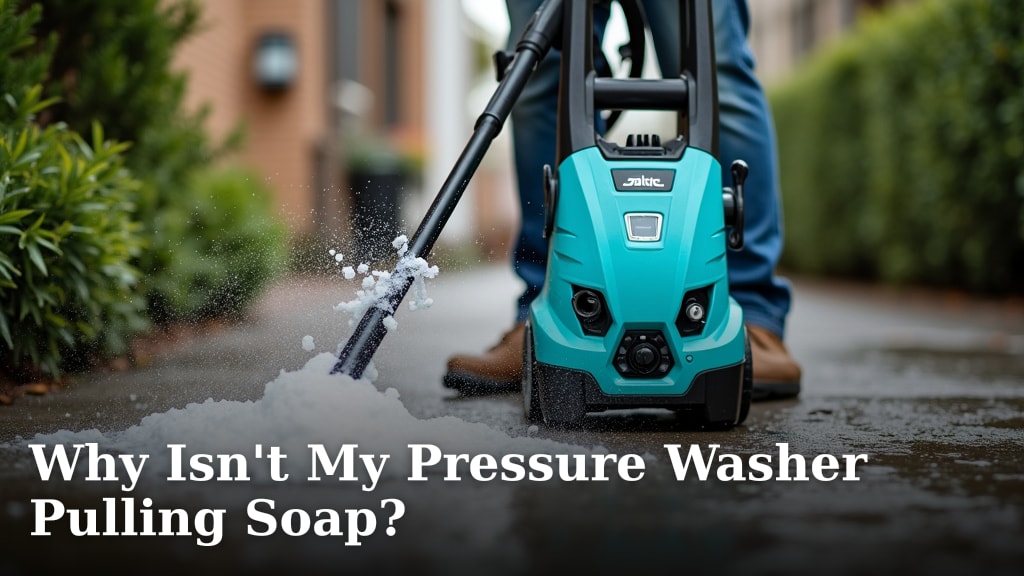
Your pressure washer isn’t pulling soap because of a few common issues. It usually means your soap dispenser is clogged, the water intake isn’t submerged enough, or there’s an air bubble in the siphon tube. These are the most frequent culprits when your detergent tank stays full.
We know it’s frustrating when your cleaning day hits a snag. You expect a nice foamy lather, but get nothing but plain water. We’ve found that checking the soap nozzle and ensuring the siphon hose is properly connected are key steps. Don’t worry, it’s usually a simple fix!
- Check for clogged soap nozzles.
- Make sure the intake hose is in the soap solution.
- Look for air bubbles in the siphon tube.
- Confirm the correct detergent setting is used.
- Ensure the water supply is adequate.
Let’s walk through exactly how to troubleshoot why your pressure washer isn’t sucking up soap, so you can get back to blasting away dirt and grime.
“`htmlTroubleshooting Your Pressure Washer’s Soap Dispenser
It’s a real bummer when you’re ready to tackle some grime, and your pressure washer just won’t pull up the soap. You expect a satisfying foamy clean, but all you get is plain water. This is a common problem, and thankfully, it’s usually something you can fix yourself without calling a repair person. We’ve found that most issues stem from simple blockages or incorrect setup. Let’s figure out why your machine isn’t dispensing soap.
Common Reasons Your Pressure Washer Isn’t Sucking Up Soap
Several factors can prevent your pressure washer from drawing detergent. We’ll break down the most frequent culprits, starting with the easiest to check. You’ll want to have your pressure washer manual handy, if possible, as specific designs can vary.
Clogged Soap Nozzle or Filter
This is often the number one reason your soap isn’t flowing. Detergent can dry out and form sticky blockages. Think of it like a clogged kitchen sink – nothing can get through! This blockage can occur in the small nozzle tip where the soap exits or in a filter located in the soap siphon tube.
Checking and Cleaning the Soap Nozzle
Your pressure washer likely has a separate nozzle for soap that’s different from the ones used for rinsing. This soap nozzle is usually a larger, black-colored tip. First, disconnect the pressure washer from the water supply and turn it on briefly to release any built-up pressure. Then, carefully remove the soap nozzle. Inspect the opening for any dried soap residue or debris. You can often use a small brush, like an old toothbrush, or a thin, stiff wire to gently clean out the opening. Some people even use a paperclip, but be careful not to scratch the inside. Make sure the opening is clear before reattaching it.
Inspecting the Siphon Filter
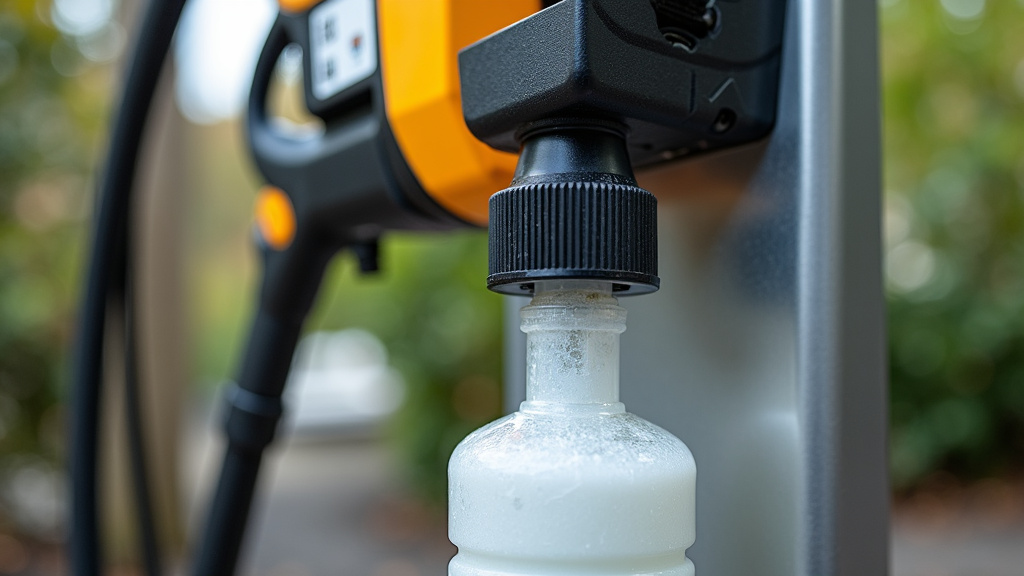
Most pressure washers use a small filter at the end of the soap siphon hose. This filter prevents larger bits of debris from entering the pump and causing damage. However, this filter itself can become clogged with soap. Locate the end of the siphon tube that goes into your soap bucket. Carefully pull out the filter. Rinse it thoroughly under running water. If it looks really gummed up, you might need to soak it in warm, soapy water for a bit. Once clean, reinsert it securely into the siphon tube.
Improper Water Intake Setup
Sometimes, the issue isn’t with the soap system itself but with how the water is being supplied. Your pressure washer needs a consistent and sufficient water flow to operate correctly, including drawing soap.
Ensuring the Siphon Tube is Submerged
The end of the soap siphon tube needs to be fully immersed in the detergent solution. If the end of the tube is sticking out of the soap, or if the soap level is too low, the pressure washer won’t be able to suck it up. Always make sure your detergent container is full enough. We recommend using a container that can hold at least a gallon of soap solution. When you’re using the soap function, double-check that the intake hose is deep enough in the bucket.
Checking Water Source and Pressure
Your pressure washer requires a minimum water pressure from your garden hose to function properly. If your garden hose isn’t connected securely, or if the water pressure from your tap is too low, it can affect the machine’s ability to draw soap. Many manufacturers recommend a minimum of 10 GPM (gallons per minute) and 40 PSI (pounds per square inch) from your water source. A quick test is to see how fast your garden hose fills a 5-gallon bucket. If it takes longer than a minute, your water supply might be the issue. Ensure your faucet is fully open and that there are no kinks in the garden hose restricting flow.
Air in the Siphon Line
Air is the enemy of suction. If there’s an air bubble trapped in the soap siphon tube, it can prevent the soap from being pulled into the machine. This often happens when you first start using a new soap container or if the siphon tube has been disconnected.
Purging Air Bubbles
The easiest way to clear an air bubble is to prime the siphon tube. Submerge the end of the soap siphon tube in plain water (not soap) and let the pressure washer run for a few minutes. This should help flush out any air. You might see bubbles coming through the tube. Once you think the air is gone, you can switch back to your soap solution. Some pressure washers have a dedicated soap setting or a specific way to prime the system; consult your manual.
Incorrect Detergent Setting or Mode
Many pressure washers have different settings or modes for applying soap and rinsing. It’s possible you’re not on the correct setting for detergent application.
Selecting the Right Nozzle and Setting
Most pressure washers use a specific colored nozzle (often black or gray) for soap application. Make sure you have the correct soap nozzle attached. Additionally, some machines have a dial or lever to select the cleaning mode. Ensure this is set to the “detergent” or “soap” option. If you accidentally have the rinsing nozzle attached or are in the wrong mode, you won’t get any soap, no matter how perfectly everything else is set up.
Using the Wrong Type of Detergent
While not always the cause of *no* soap being pulled, using the wrong type of detergent can lead to poor foaming or inconsistent results. Always use detergents specifically designed for pressure washers. Household soaps or detergents can be too thick, too thin, or cause excessive suds that can damage your machine or the surface you’re cleaning.
Tips for Getting the Best Soap Performance
Once you’ve addressed the potential issues, here are a few quick tips to ensure your pressure washer dispenses soap effectively every time:
- Always use pressure washer-specific detergents.
- Ensure your detergent container is well-stocked.
- Keep your soap siphon filter clean.
- Double-check that you’re using the correct soap nozzle.
- Confirm your machine is set to the detergent application mode.
By systematically checking these points, you should be able to get your pressure washer back to dispensing that nice, thick lather. It’s usually a straightforward fix!
“`
Conclusion
It’s frustrating when your pressure washer won’t pull soap, but we’ve found it’s usually an easy fix. You’ve learned that clogs in the soap nozzle or filter are common. We also saw how checking your water intake and ensuring the siphon tube is submerged is key. Remember to purge any air bubbles from the siphon line and always select the correct detergent nozzle and setting on your machine. By systematically working through these steps, you can quickly get back to a foamy clean. Next time your pressure washer is ready for action, double-check these points first!
Frequently Asked Questions
How long should the soap siphon tube be in the detergent?
The end of the soap siphon tube must be fully submerged in your detergent solution. We found that if it’s not deep enough, the pressure washer can’t create enough suction to draw the soap. Aim to keep at least a few inches of the tube below the liquid level.
Can I use a regular household detergent in my pressure washer?
We strongly advise against using regular household detergents. They can be too thick, too thin, or create excessive suds that may damage your pressure washer’s pump or the surface you’re cleaning. Always use detergents specifically made for pressure washers.
What does it mean if my pressure washer makes a sucking sound but no soap comes out?
A sucking sound indicates your pressure washer is trying to pull something. If no soap is coming out, it most likely means there’s a clog somewhere in the soap pathway, like the nozzle or the siphon filter. You could also have an air bubble trapped in the siphon line preventing proper flow.
My pressure washer is new and not pulling soap. What could be wrong?
Even new machines can have issues. For a new unit, first check that the correct soap nozzle is attached and that the machine is set to the detergent mode. Ensure the siphon tube is fully submerged in soap and that there are no kinks or blockages in the tube itself. Sometimes a new filter needs a quick rinse.
How often should I clean my pressure washer’s soap siphon filter?
We recommend cleaning your soap siphon filter regularly, especially if you use your pressure washer frequently. Cleaning it after each use, or at least before storing it for an extended period, helps prevent dried soap from causing clogs. A clean filter ensures consistent soap delivery.