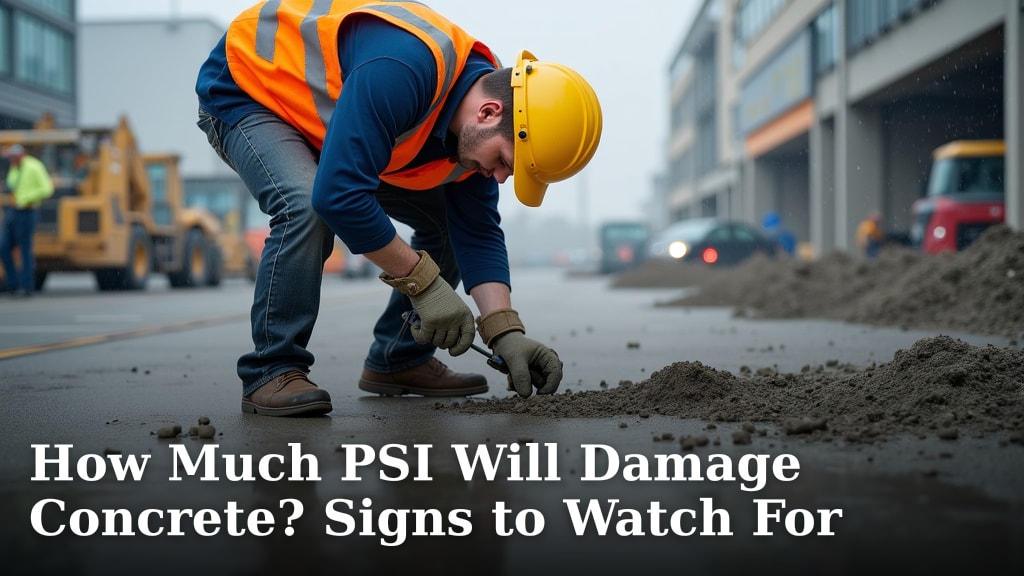
How Much PSI Will Damage Concrete? Signs to Watch For
Understanding the Pressure That Cracks Concrete
Concrete is tough, but it’s not indestructible. You might wonder exactly how much force it takes to cause damage. We researched and found that typical residential concrete slabs can handle about 2,500 to 3,000 PSI of compressive strength. That sounds like a lot, until you realize how concentrated pressure can be.
Think of it like a high heel versus a sneaker on soft ground. The same weight applies, but one leaves a dent. The point of impact matters just as much as the overall weight. This is the key to understanding concrete pressure damage.
The Critical Numbers: PSI Thresholds for Common Concrete
Not all concrete is created equal. The PSI rating of your specific slab depends on its age and mix. Newer driveways are often poured to a higher standard than an old patio.
Here’s a general breakdown of what you can typically expect. We gathered this information from common construction guidelines and engineering references.
| Concrete Age & Type | Approximate PSI Strength | Risk Level for Pressure Washing |
|---|---|---|
| New Concrete (under 28 days) | Under 2,000 PSI | Very High Risk – Avoid any pressure. |
| Standard Residential Driveway | 2,500 – 3,000 PSI | Moderate Risk – Use extreme caution. |
| High-Strength Commercial Slab | 4,000 PSI+ | Lower Risk – But can still be damaged. |
Why Age Matters: The Fresh Concrete Danger Zone
That new concrete in your garage or patio is still curing. Think of it like a fresh brownie from the oven. It looks solid, but it’s still soft inside. Pressure washing or scraping it now can cause serious, permanent harm.
Most experts recommend waiting a full 28 days before any deep cleaning. During this time, you should keep it free of chemicals and heavy loads. Even a garden hose on a strong setting can cause problems if the concrete isn’t ready.
Key Signs Your Concrete Is Under Too Much Stress
Damage doesn’t always happen instantly. Often, the signs show up gradually. You can spot trouble early if you know what to look for. This saves you from bigger repairs later.
Let’s break down the visual clues. Your eyes can tell you a lot about what’s happening below the surface. Here are the most common red flags.
Surface-Level Warning Signs
Start with a visual inspection. Grab a flashlight and look across the surface. What do you see? These are the early, often easy-to-spot indicators of pressure damage.
- Fine, spiderweb cracks: Often called crazing, these are hairline cracks only on the top layer.
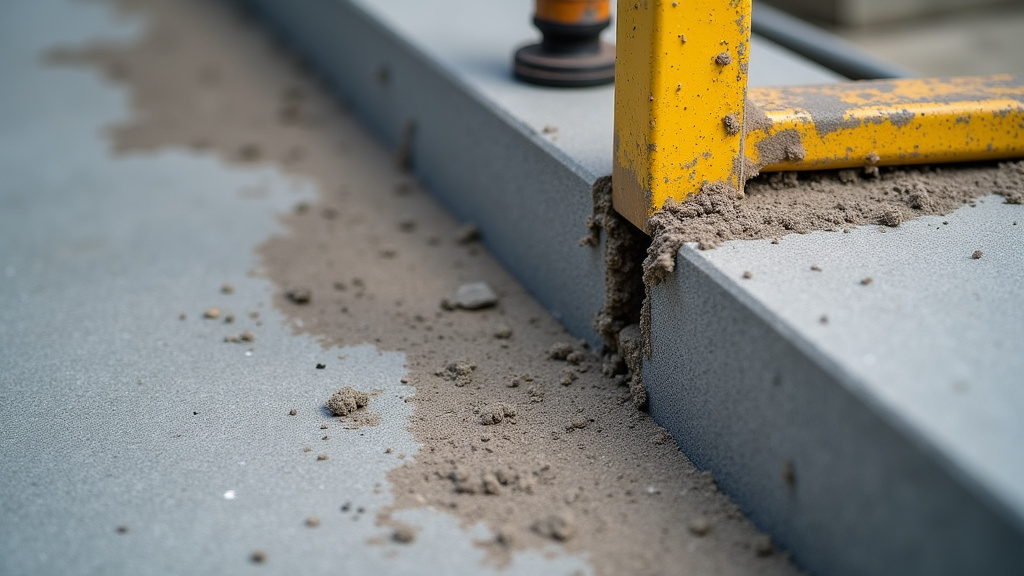
- Chipping or flaking: Small pieces of the concrete surface have broken away, exposing aggregate.
- Discolored patches or “bruising”: The surface looks etched or has a dull, different color.
- A soft, sandy feel: When you rub your hand over it, it feels like it’s leaving grit behind.
Signs of Structural Trouble
Some signs indicate a more serious problem. If you see these, it means the damage goes deeper than the top skin of the concrete. These issues usually require professional assessment.
- Deep, wide cracks (larger than a credit card): Especially those that go all the way through the slab.
- Uneven or sunken sections: One side of the slab is now lower than the other.
- Large pop-outs: Cone-shaped pieces of concrete that have popped off the surface.
Everyday Activities That Could Cause Pressure Damage
You might not be running industrial equipment on your driveway. But daily life can still apply surprising force. Ever thought about your car’s tire pressure? That’s a form of constant, low-level stress on your slab.
The damage often comes from repeated force or one very concentrated point. Here are some common culprits you might not have considered.
The Household Culprits
Look around your property. Some of the things you use regularly can be tough on concrete if used improperly.
- Improper pressure washer use: A nozzle too close or PSI setting too high is the #1 cause of etching and pitting.
- Metal furniture legs or planter pots: Dragging these can scratch and gouge the surface easily.
- Heavy, stationary loads: A large, loaded dumpster sitting in one spot for weeks can cause settling.
- De-icing salts: While not pressure, they cause chemical degradation that weakens the surface over time.
Protecting Your Concrete from Yourself
A little prevention goes a long way. You don’t need to be overly cautious, just mindful. Simple habits can extend the life of your concrete by years.
For pressure washing, always start with the widest fan tip. Keep the nozzle at least 12 inches away. Test a small, hidden area first. When moving heavy items, use dollies with rubber wheels or place plywood down first to distribute the weight.
What To Do If You Spot Damage
Seeing a crack can be worrying. Don’t panic, but don’t ignore it either. Your response should depend on the type of damage. A quick action plan helps you decide your next step.
First, photograph the damage with something for scale, like a coin. This helps you track if it gets worse over time. Then, follow this simple guide.
A Simple Damage Assessment Checklist
Use this checklist to decide if it’s a DIY fix or a job for a pro. It covers the basics of evaluating the situation yourself.
- ✓ Measure the crack width: Is it thinner than 1/8 inch? That’s usually cosmetic.
- ✓ Check for movement: Push on both sides of the crack. Does it move or feel spongy?
- ✓ Look for drainage issues: Does water pool in or near the damaged area?
- ✓ Note all damage spots: Is it just one small area, or is it spread across the slab?
- ✓ Consider the cause: Did this happen after pressure washing, a freeze, or just over time?
When to Call a Professional
Some problems are bigger than a tube of concrete filler. It’s wise to get an expert opinion if you see certain things. Protecting your home’s foundation and value is worth the call.
Contact a concrete contractor if you have: cracks wider than a pencil, any signs of sinking or heaving, or extensive spalling (flaking) over a large area. They can tell you if it needs a simple overlay or a full replacement. Many offer free estimates for these types of issues.
Preventative Measures: Keeping Your Concrete Safe
The best repair is the one you never need. Maintaining your concrete is mostly about managing moisture and pressure. Regular care keeps it looking good and strong.
We found that sealing your concrete every 2-3 years is the single best preventative step. A good sealer acts like raincoat for your slab. It repels water, oil, and chemicals before they can cause damage.
Your Concrete Maintenance Toolkit
Keep these simple items on hand. They make regular maintenance easy and effective.
- A stiff-bristle broom: For regular sweeping to remove grit and debris.
- Mild detergent and water: For general cleaning of spills and stains.
- A quality concrete sealer: For application every few years per the manufacturer’s directions.
- Rubber mats or pads: For under trash cans, grills, or anywhere heavy objects sit.
By understanding the limits of your concrete and watching for those early signs, you can keep your driveway, patio, and sidewalks in great shape for decades. It’s all about respecting the material and giving it the care it needs.
Conclusion
You now understand that concrete can handle about 2,500 to 3,000 PSI, but concentrated pressure is the real threat. Watch for early signs like fine cracks, chipping, or a gritty feel. Remember, new concrete needs 28 days to cure before any heavy cleaning. By sealing your concrete every few years and using gentle methods, you can avoid most damage. Take a moment today to inspect your driveway or patio. A quick check now can prevent expensive repairs down the road.
Frequently Asked Questions
How much PSI can concrete handle before it cracks?
Most residential concrete can withstand about 2,500 to 3,000 PSI. However, damage often happens from concentrated pressure, like a pressure washer nozzle too close. Always use a wide fan tip and keep the nozzle at least 12 inches away to avoid etching or pitting.
What are the first signs that my concrete is damaged from pressure?
Look for fine, spiderweb cracks or a sandy, gritty feel on the surface. You might also see small chips or discolored patches. These early signs often indicate surface-level stress from pressure or cleaning.
Can I pressure wash my new concrete driveway right away?
No, you should wait at least 28 days before any pressure washing. New concrete is still curing and is very soft, so high pressure can cause permanent damage. Use a garden hose for light cleaning during this period.
How often should I seal my concrete to prevent damage?
Sealing your concrete every 2 to 3 years is recommended. A good sealer acts like a raincoat, repelling water, oil, and chemicals that can weaken the surface. Check the manufacturer’s instructions for your specific sealer.
What should I do if I find deep cracks in my concrete?
Deep cracks, especially those wider than a pencil, may indicate structural issues. Contact a professional concrete contractor for an assessment. They can determine if you need a simple repair or a full replacement.