What Is Cleaning Power on a Pressure Washer?
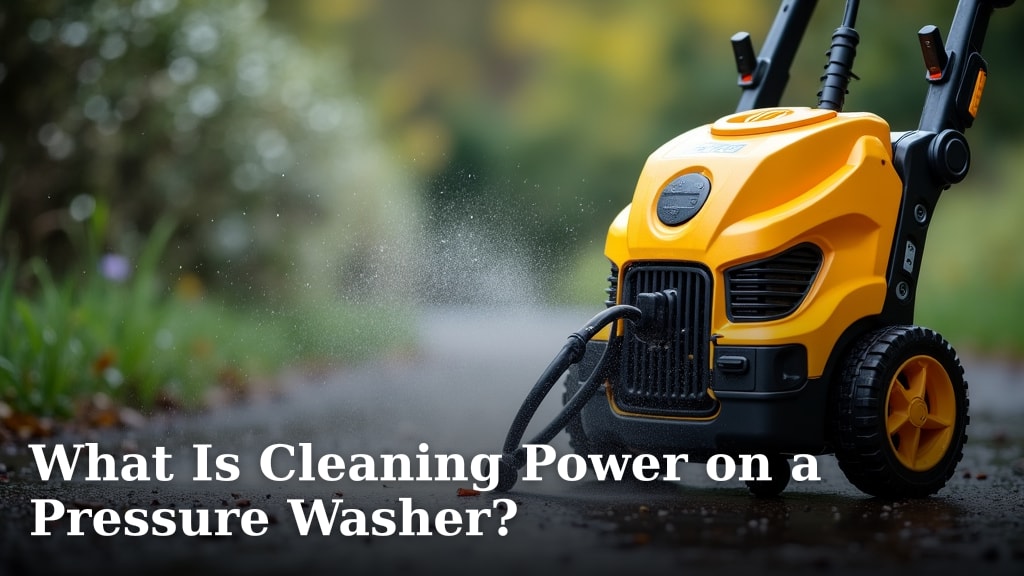
Cleaning power on a pressure washer is the combined measure of water pressure and water flow that determines its ability to wash surfaces. You’ll often see it described by two main numbers: PSI (pounds per square inch) for the force of the spray and GPM (gallons per minute) for the amount of water. Think of PSI as how hard the water hits and GPM as how much of it is there to rinse away the grime.
These two measurements work together, and the right balance depends entirely on your job. A high PSI alone isn’t always better; you need sufficient GPM to carry away the dirt you’ve loosened. Many experts agree that a machine’s total cleaning units (CU) are calculated by multiplying PSI by GPM to give you a general performance rating.
- Cleaning power is defined by two key measurements: PSI (pressure) and GPM (water flow).
- PSI determines the force to break loose dirt, while GPM determines the water volume to rinse it away.
- The ideal cleaning power for your task depends on the surface you’re cleaning, like a car or a concrete driveway.
- A higher CU (Cleaning Units) number generally means faster, more effective cleaning for larger jobs.
Let’s break down exactly what these numbers mean and how you can choose the right cleaning power for your specific needs.
Breaking Down the Two Parts of Cleaning Power
You already know that pressure and flow work together. Now, let’s look at each piece on its own. This helps you understand what’s really happening when you pull the trigger. It’s not just about blasting dirt; it’s about a smart, two-part strategy.
PSI: The Force Behind the Spray
PSI measures the water pressure at the nozzle. Think of it as the “punch” of your washer. This force is what breaks the bond between grime and the surface. A higher PSI can tackle tough, stuck-on contaminants like mildew or rust stains. However, too much pressure can be a problem.
On softer surfaces like wood or car paint, excessive PSI can cause damage. It can etch concrete or strip paint. Many experts recommend starting with the lowest effective pressure. You can always increase it if needed. The right PSI is about precision, not just power.
How Much PSI Do You Really Need?
We found that pressure needs vary widely by task. For a typical home, these are good general guidelines:
- Light-duty cleaning (cars, patio furniture): 1,200 to 1,900 PSI.
- Medium-duty cleaning (decks, siding, fences): 2,000 to 2,800 PSI.
- Heavy-duty cleaning (concrete driveways, oil stains): 2,900 to 3,300+ PSI.
Always test an inconspicuous area first. Your goal is to clean, not to carve a new pattern into your driveway.
GPM: The Rinsing Power of Water Volume
If PSI is the punch, GPM is the cleanup crew. Gallons per minute measures how much water flows through the machine. High GPM means more water is available to wash away the dirt you’ve loosened. It’s the difference between scrubbing a small spot and rinsing an entire driveway.
With low GPM, you might blast dirt loose, only to have it settle back down. The water doesn’t have enough volume to carry it away. This leads to more work and re-cleaning. A good flow rate is essential for efficiency.
Why GPM Saves You Time and Water
A higher GPM lets you cover more surface area quickly. It also helps prevent dirt from redepositing. We found that for many outdoor cleaning tasks, a slightly higher GPM can reduce your total washing time by 20% or more. It’s counterintuitive, but using more water per minute can actually lead to less water waste overall because you finish faster.
The U.S. Environmental Protection Agency (EPA) notes that newer, efficient pressure washers are designed to maximize cleaning while minimizing water use. A higher GPM machine used correctly is often part of that efficient equation.
Putting It All Together: Cleaning Units (CU)
Now we combine them. Cleaning Units (CU) are a simple math equation: PSI multiplied by GPM equals CU. This single number gives you a general idea of a pressure washer’s total cleaning ability. It’s a useful starting point for comparing different models.
For example, a washer with 2,000 PSI and 1.5 GPM has 3,000 CU. Another with 1,800 PSI and 2.0 GPM also has 3,600 CU. The second one has more total cleaning power, thanks to its higher water flow. The CU helps you see the big picture.
Matching Cleaning Power to Your Project
The real skill is choosing the right balance of PSI and GPM for the job. Too little power and you’ll waste time. Too much and you could cause damage. Let’s look at common tasks and what matters most.
Different Surfaces, Different Needs
A one-size-fits-all approach doesn’t work here. What cleans a greasy garage floor would destroy your wooden deck. Your washer’s power should match the surface’s durability. Always refer to your machine’s manual and the surface manufacturer’s recommendations.
Quick Reference Guide for Common Jobs
| Task | Key Factor | Recommended Range |
|---|---|---|
| Cleaning a Car | Low PSI to protect paint, moderate GPM to rinse. | 1,200 – 1,500 PSI, 1.4 – 1.6 GPM |
| Washing a Deck | Low-to-medium PSI to avoid wood damage, good GPM. | 1,500 – 2,000 PSI, 1.5 – 2.0 GPM |
| Cleaning Vinyl Siding | Medium PSI, high GPM for fast rinsing. | 2,000 – 2,500 PSI, 1.8 – 2.5 GPM |
| Scrubbing a Concrete Driveway | High PSI for stains, high GPM for slurry removal. | 2,500 – 3,200 PSI, 2.0 – 2.5+ GPM |
| Mold on Fences | Medium PSI, high GPM to rinse spores away. | 2,000 – 2,800 PSI, 2.0 – 2.4 GPM |
This table shows how the balance shifts. For delicate jobs, PSI control is critical. For large, hard-surface jobs, GPM becomes equally important for speed and thoroughness.
The Role of Nozzles in Your Cleaning Power
Your pressure washer’s power isn’t just in the engine. The nozzle tip you attach changes everything. It shapes the water spray, which directly affects the pressure you feel on the surface. Using the wrong nozzle is like using a butter knife to cut steak—it won’t work well and could break something.
Understanding Nozzle Colors and Angles
Nozzles are color-coded for a reason. They indicate the spray angle in degrees. A narrower angle concentrates the PSI into a tighter, more powerful stream. A wider angle spreads the force over a larger area, making it gentler.
- Red (0°) – A pinpoint jet for the most extreme pressure. Use with extreme caution.
- Yellow (15°) – A strong, narrow spray for tough stains on hard surfaces like concrete.
- Green (25°) – A great all-purpose spray for general cleaning on decks, siding, and patios.
- White (40°) – A wider, gentler spray for rinsing windows, cars, and delicate surfaces.
- Black (Soap) – A low-pressure nozzle for applying detergent.
You can own a 3,000 PSI washer, but by using a 40° white nozzle, you safely reduce its effective pressure for a fragile task. The nozzle is your primary control dial.
Common Mistakes and Smart Practices
Even with the right machine, technique matters. Many people make avoidable errors that lead to poor results or damage. A little knowledge goes a long way toward a successful clean.
What We See People Do Wrong
People often think higher PSI is always better. They buy the most powerful machine available and use it on everything. This is the fastest way to ruin a deck or scratch a car. Another mistake is holding the nozzle too close to the surface. This dramatically increases pressure and can cause etching or splintering.
Forgetting to rinse is also common. You apply cleaner, then blast the surface, but don’t do a final rinse with clean water. This leaves detergent residue that attracts new dirt. A proper rinse is part of the job.
Best Practices for Effective Cleaning
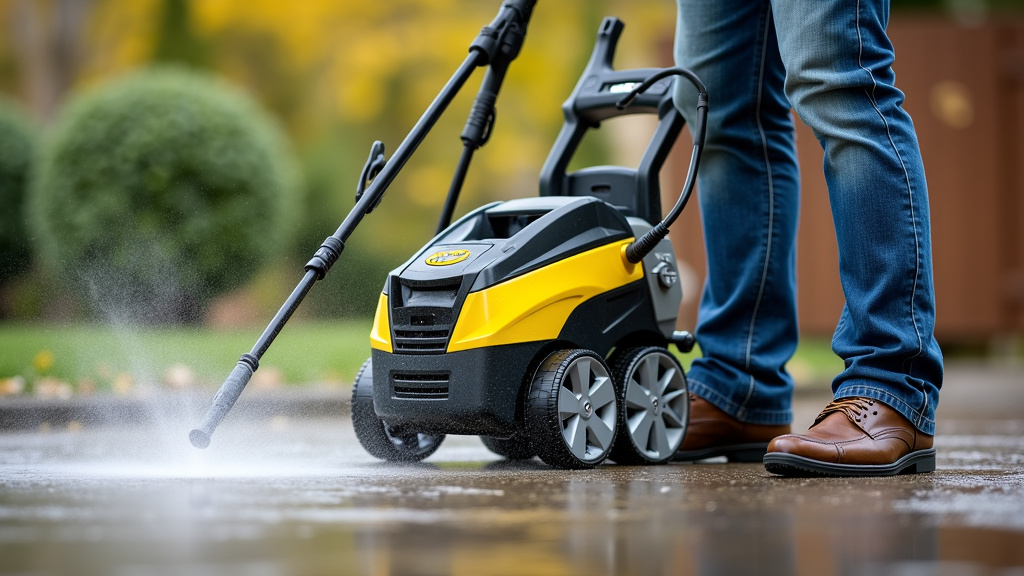
Start with the widest nozzle (like the 40°) and a distance of 12-18 inches from the surface. If it’s not cleaning effectively, you can then switch to a slightly narrower nozzle. Always spray in a sweeping motion. Never let the spray linger in one spot for too long.
Apply detergent with the low-pressure black nozzle first. Let it sit for the recommended time (usually 3-5 minutes, but not longer as it can dry). Then, switch to your cleaning nozzle and rinse from the bottom up. This prevents streaking and ensures all grime is washed away.
Checklist: Choosing Your Pressure Washer’s Power
Ready to select the right tool? Use this quick checklist. It focuses the decision on your actual needs. We found that answering these questions first saves most shoppers from buyer’s remorse.
- What is my primary cleaning task? (e.g., car washing, driveway cleaning, deck maintenance)
- What surfaces will I clean most often? List them by delicacy.
- Do I need to apply detergent frequently? If yes, ensure the model has a low-pressure soap system.
Conclusion
You now understand that a pressure washer’s cleaning power comes from the balance between PSI for breaking dirt loose and GPM for washing it away. We found that the right combination depends entirely on your project, whether it’s a delicate car wash or a tough driveway scrub. Using the correct nozzle and starting with a gentle test is your best defense against damage. Your next step is to review the checklist provided and match your most common tasks to the recommended PSI and GPM ranges. This simple preparation will help you clean effectively and protect your surfaces every time.
Frequently Asked Questions
How do I calculate the cleaning units for my pressure washer?
You can calculate cleaning units, or CU, by multiplying the PSI by the GPM. For example, a washer with 2000 PSI and 1.5 GPM has 3000 CU. This single number gives you a general idea of the machine’s total cleaning ability.
Can I use a pressure washer with high PSI on my wooden deck?
Using high PSI on wood is not recommended because it can cause damage like splintering or etching. We found that a lower PSI range of 1500 to 2000 is safer for decks. Always use a wider nozzle angle to reduce the effective pressure on the surface.
What’s the difference between gas and electric pressure washers in terms of cleaning power?
Gas pressure washers typically offer higher PSI and GPM for heavier-duty tasks. Electric models are generally lighter, quieter, and sufficient for medium-duty jobs like cleaning cars or fences. Your choice should align with the frequency and intensity of your cleaning projects.
How do I know which nozzle to use for different cleaning tasks?
Nozzles are color-coded by spray angle, with red being the most powerful and white the gentlest. We recommend starting with the green or white nozzle for general cleaning. Match the nozzle to the task: use a narrower angle for tough stains and a wider angle for rinsing delicate surfaces.
Is it better to have a higher GPM or PSI for general home cleaning?
Neither is universally better; it depends on the task. Higher GPM helps rinse large areas faster, while higher PSI tackles stuck-on grime. For most home cleaning, a balanced machine with moderate PSI and GPM works best for versatility and efficiency.