What PSI Is a Light Duty Pressure Washer?
The Pressure Washer Power Scale
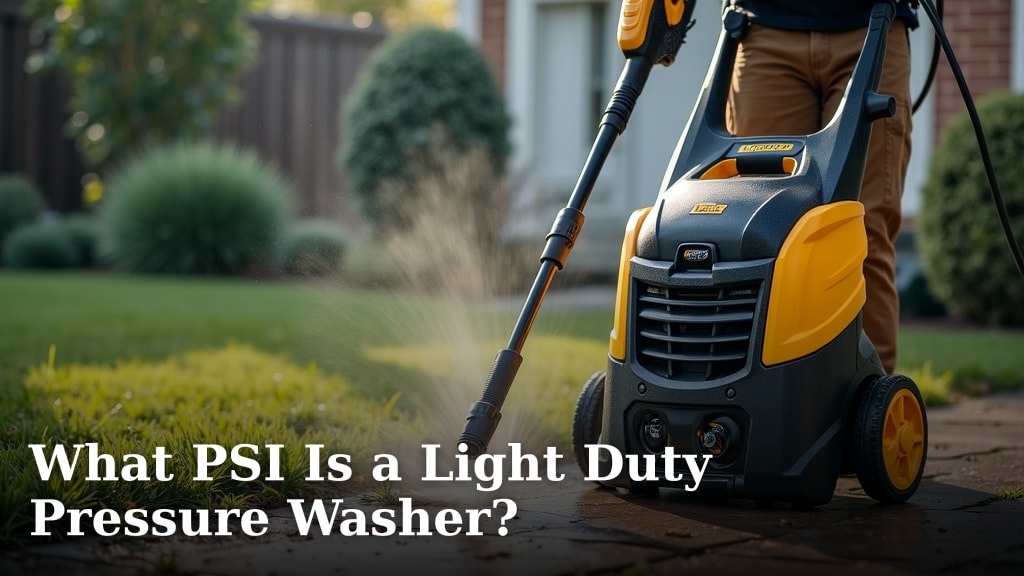
Light-duty pressure washers typically operate in the 1,300 to 1,900 PSI range. That PSI number measures the force of the water hitting the surface. Think of it as the pressure washer’s “strength.” For most household cleaning jobs, this range provides the right balance of power and safety.
Understanding PSI and GPM: The Dynamic Duo
PSI isn’t the whole story. You also hear about GPM, or Gallons Per Minute. This measures the volume of water flow. Many experts explain that PSI cleans the dirt, while GPM rinses it away. For light-duty machines, you’ll often see around 1.2 to 1.5 GPM. A washer with good PSI and GPM works faster and more effectively.
Why Higher Isn’t Always Better
You might think maximum power is best. But using too much pressure on delicate surfaces can cause real damage. It can etch your driveway, splinter wood, or strip paint off your siding. The goal is to match the pressure to the job. Light-duty washers are designed with this safety margin in mind.
What Can You Clean With a Light Duty Washer?
This category of pressure washer is a true workhorse for homeowners. It’s perfect for routine cleaning tasks that don’t involve deep-set stains on concrete. Here are the most common jobs it handles well.
Outdoor Living Spaces
Your deck, patio, and outdoor furniture will thank you. A light-duty washer easily removes accumulated dirt, pollen, and mildew from wood, composite, and plastic surfaces. Many product manuals recommend staying below 2,000 PSI for wood decking to prevent fiber damage.
Vehicles and Recreation
Giving your car, truck, or boat a thorough wash is a primary use. The gentle pressure is safe for paint and wax when used correctly. The CDC notes that washing vehicles with a pressure washer can be more efficient than a hose. Remember to use a wide-angle nozzle to spread the pressure out.
Home Exterior Basics
Cleaning vinyl siding, fences, and windows is straightforward. You’ll remove months of grime and spiderwebs. For windows, always use the lowest pressure setting and a fan tip. Keep the wand at a safe distance to avoid forcing water behind the glass seals.
When You Might Need More Power
A light-duty washer has limits. Trying to tackle certain projects with it will lead to frustration and poor results. It’s wise to know its boundaries.
Tough Stains on Hard Surfaces
Oil stains on your driveway or green algae on concrete patios often require more force. These surfaces are durable and can handle higher pressure. For these tasks, a medium or heavy-duty washer in the 2,000-3,000 PSI range is a better tool. Our guide to how much PSI will damage concrete explains the thresholds to watch for.
Large-Area or Heavy-Duty Cleaning
If you’re preparing a house for painting or stripping old stain from a large deck, a light-duty machine will take too long. Professionals often use hot-water pressure washers or higher-PSI models for these intensive jobs.
Choosing the Right Nozzle: Your Pressure Control
The nozzle you attach changes the water stream’s shape and intensity. This lets you fine-tune the cleaning power even within the light-duty range. Using the wrong nozzle is the most common way people cause accidental damage.
The Color-Coded System
Nozzles are typically color-coded for easy identification. A light-duty washer will come with nozzles suited to its PSI range.
- White (40°): Wide, gentle spray. Use for windows, siding, and general rinsing.
- Green (25°): The most versatile. Good for washing cars, fences, and patios.
- Yellow (15°): More focused. For stubborn dirt on concrete or preparing surfaces for paint.
- Red (0°): A sharp, pinpoint jet. Use with extreme caution; it can easily damage surfaces. Often not included with light-duty units.
The Soap Nozzle
Most kits include a black nozzle specifically for applying detergent. It has the widest spray and lowest pressure. You insert the soap into a dedicated tank or bottle attachment.
Motor Types: Electric vs. Gas
Light-duty pressure washers come with either an electric motor or a small gas engine. Your choice depends on where and how often you plan to clean.
Electric Pressure Washers
These are the most common for light-duty use. They are quieter, lighter, and require no fuel. They are perfect for cleaning in your driveway or yard where an outdoor outlet is accessible. Many consumer reports praise electric models for their ease of maintenance.
Gas Pressure Washers
Some light-duty models are gas-powered, offering a bit more portability without a cord. They are louder and require more maintenance, like oil changes. They can be a good choice if your cleaning area is far from an outlet.
At a Glance: Matching PSI to Common Tasks
This table gives a quick reference for what pressure level is generally considered appropriate for various cleaning projects.
| Task | Recommended PSI Range | Why It Matters |
|---|---|---|
| Washing a Car | 1,200 – 1,900 PSI | Protects paint and clear coat from damage. |
| Cleaning Siding (Vinyl) | 1,300 – 1,600 PSI | Prevents water from being forced behind panels. |
| Washing a Deck (Wood) | 500 – 1,500 PSI | Avoids splintering and raising wood grain. |
| General Patio Cleaning | 1,500 – 2,000 PSI | Effective on pavers without damaging joints. |
| Removing Mildew from Fence | 1,500 – 2,000 PSI | Effective for organic growth on treated wood. |
| Heavy-Duty Concrete Cleaning | 2,500 – 3,000+ PSI | Needed for oil stains and ground-in dirt. |
Quick Checklist Before You Buy
Use this short list to see if a light-duty pressure washer fits your needs.
- My primary jobs are my car, patio furniture, and light house siding.
- I value ease of use, lower noise, and simple maintenance.
- I do not plan to strip paint, clean large concrete slabs, or remove oil stains regularly.
- I have an outdoor electrical outlet near where I’ll store or use the machine.
- I want a machine that is easy for the whole family to handle.
Maintaining Your Light Duty Machine
A little care keeps your washer running smoothly for years. The basic steps are simple and don’t require technical skill.
After Every Use
Always run clean water through the system for a minute after finishing. This flushes out any remaining detergent. Then, relieve the pressure by squeezing the trigger without the power on.
For Storage and Winter
If you live in a cold climate, you must winterize the washer. This involves adding pump-safe antifreeze. A quick search on a manufacturer’s website provides clear instructions. Storing it in a shed or garage also protects it from the elements.
Final Thoughts on Power and Purpose
A light-duty pressure washer is defined by its 1,300 to 1,900 PSI output. It is the ideal tool for most residential cleaning tasks. It offers effective cleaning without the high risk of damage associated with more powerful machines. By understanding PSI, GPM, and proper nozzle use, you can clean safely and effectively. Match the tool to the job, and you’ll get the job done right.
Conclusion
A light-duty pressure washer, operating between 1,300 and 1,900 PSI, is your reliable partner for most household cleaning. It provides enough power to refresh your car, deck, and siding safely. Remember to match the PSI to the task, choose the right nozzle, and perform simple maintenance to avoid damage. This approach ensures effective results without unnecessary risk. Ready to start cleaning? Use this information to confidently select and use a light-duty washer for your home projects.
Frequently Asked Questions
What PSI is considered a light-duty pressure washer?
A light-duty pressure washer is generally defined as having a PSI range from 1,300 to 1,900. This power level is specifically designed for common residential tasks. It offers a good balance between cleaning ability and surface safety.
Can I use a light-duty pressure washer to strip paint?
Using a light-duty washer to strip paint is not recommended. Its pressure is typically too low to effectively remove paint from surfaces like wood or concrete. You would likely need a medium or heavy-duty machine with higher PSI for such jobs.
How does GPM affect the performance of a light-duty washer?
GPM, or Gallons Per Minute, measures water flow volume. For light-duty washers, a GPM of 1.2 to 1.5 is common. Higher GPM helps rinse away loosened dirt faster, making your cleaning more efficient.
Is a gas or electric model better for a light-duty pressure washer?
For most light-duty uses, electric models are often the better choice. They are quieter, lighter, and easier to store and maintain. Gas models offer more portability if you need to work far from a power outlet.
What happens if I use the wrong nozzle on my light-duty washer?
Using a nozzle with too narrow a spray, like the red 0° tip, can concentrate the pressure. This can easily etch wood, damage paint, or harm delicate surfaces. Always start with a wider nozzle like the white or green tip for safety.