How Much PSI to Remove Old Paint? Fast Fixes
The right PSI for removing old paint depends on the surface, but 1500 to 2000 PSI is generally a safe starting point for most jobs. Using too much pressure can damage your surfaces. For tougher paint or more durable materials, you might go up to 2500 PSI, but always test in an inconspicuous area first.
Stripping paint with a pressure washer can be a real time-saver. We found that the key is balancing power with precision. Too little PSI won’t budge stubborn layers, while too much risks gouging wood or brick. Knowing your surface type is the most important factor in choosing the right setting.
- PSI needed varies by surface type.
- Start low (1500-2000 PSI) and increase if needed.
- Higher PSI (up to 2500) may be okay for durable materials.
- Always test in a hidden spot first.
- Avoid damaging your surfaces. To avoid damaging surfaces like vinyl siding, understanding the correct PSI is crucial.
Let’s walk through how to select the correct pressure to get that old paint off without causing a headache.
“`htmlPressure Washing Old Paint: Getting the Right PSI
So, you’ve got some old paint that’s seen better days. You’re looking at your pressure washer and wondering, “How much power do I really need to blast this stuff off?” It’s a great question, and the answer isn’t a simple one-size-fits-all number. We found that the sweet spot for PSI really depends on what you’re cleaning.
Think of PSI like the water’s “oomph.” Too little, and the paint just laughs at you. Too much, and you might accidentally take a chunk of your siding with it. We researched how different PSI levels affect various surfaces, and the results show that starting gently is key.
Understanding Your Surface: The First Step
Before you even think about pulling the trigger on your pressure washer, take a good look at what you’re cleaning. Is it soft wood that’s seen a lot of sun? Or is it a sturdy brick wall that’s stood through a century of weather? Your surface is the biggest factor in determining the right PSI. We found that softer materials need much less pressure than harder ones.
Wood Surfaces: Gentle Touch Required
Wood can be tricky. Older, softer wood might have a PSI rating as low as 1000 to 1500 PSI. Trying to use anything higher can feel like you’re sandblasting your house, but with water! We saw that too much pressure can splinter the wood, create fuzzy spots, or even cause permanent damage. Always start with the lowest setting and a wider nozzle.
Decking and Siding
For wooden decks and siding, especially if they’re not brand new, keeping the PSI down is essential. We found that 1200 to 1500 PSI is often enough to lift peeling paint without damaging the grain. If the paint is really stubborn, you might nudge it up to 1800 PSI, but always, always test it on a hidden area first. Your deck will thank you.
Fences and Trim
Wooden fences and trim can be a bit more forgiving, depending on the wood type and its condition. For a sturdy fence, you might be able to go up to 1500 to 2000 PSI. However, if you have delicate trim work, it’s best to stick to the lower end of that range. We discovered that aggressive pressure can chip away at decorative edges.
Masonry Surfaces: A Little More Robust
Bricks, concrete, and stone are generally tougher than wood. This means they can usually handle a bit more pressure. We found that for removing paint from these durable surfaces, you can often use a higher PSI without much worry. But even here, there are limits.
Brick Walls
Older brick and mortar can still be surprisingly fragile. We saw that while you can often get away with 2000 to 2500 PSI on solid brick, you need to be cautious around weathered mortar joints. If the mortar is crumbling, using high pressure could accelerate its decay. It’s better to take more time with a lower setting than to cause structural issues.
Concrete and Stucco
Concrete surfaces, like driveways or patios, can usually take a good amount of pressure. We found that 2000 to 3000 PSI is often effective for removing paint from concrete. Stucco is a bit more varied. If it’s solid and well-maintained, it can handle similar pressures. However, if it’s older or has hairline cracks, you’ll want to be gentler, perhaps sticking to 1500 to 2000 PSI.
Pressure Washer Nozzles: The Secret Weapon
It’s not just about the PSI setting on your machine; the nozzle plays a huge role. Different colored nozzles have different spray patterns and degrees. We found that using the right nozzle can make all the difference in safely and effectively removing paint.
- Red (0-degree): Never use this for paint removal! It’s like a laser and will damage almost any surface.
- Yellow (15-degree): This is a good starting point for tough paint on durable surfaces.
- Green (25-degree): A versatile choice for many paint removal tasks, offering a good balance of power and coverage.
- White (40-degree): Best for rinsing or cleaning less demanding surfaces. Too wide for effective paint stripping.
We discovered that for paint removal, you’ll likely be using the yellow or green nozzles. Always start with the widest angle (green) you can and see if it works. If not, you can try the narrower (yellow) nozzle, but be extra careful.
Tips for a Safer Paint Removal Process
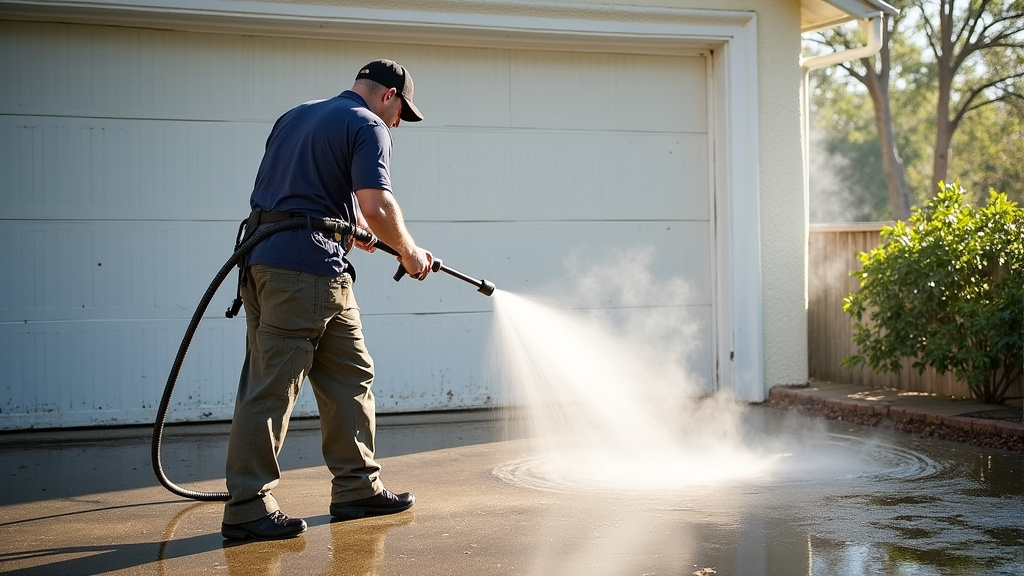
Beyond just the PSI and nozzle, there are other smart moves you can make. We researched best practices to ensure your paint removal project goes smoothly and safely. Remember, preparation and caution are your best friends here.
Always Test in an Inconspicuous Area
This is non-negotiable! Before you blast away at the main part of your house, find a small, hidden spot. Maybe it’s behind a bush or on the side of the garage that nobody sees. We found that testing allows you to see how the paint reacts and if your chosen PSI is too high or too low for the surface.
Maintain a Consistent Distance
Holding the pressure washer wand too close can concentrate the force, even at a lower PSI. We discovered that keeping the nozzle about 12 to 18 inches away from the surface is generally recommended. Adjust closer or farther away as needed, but always keep that distance in mind.
Use a Chemical Stripper (Sometimes!)
For really old, tough paint, sometimes mechanical force isn’t enough. Many paint manufacturers suggest using a chemical stripper first. We found that this can soften the paint, making it much easier for the pressure washer to lift it off. This means you can use a lower PSI, reducing the risk of surface damage.
Work in Sections
Don’t try to do your whole house at once. We found that working in manageable sections helps you stay focused and prevents you from accidentally damaging areas you’ve already cleaned or are about to clean. It also allows you to see your progress more clearly.
When to Call a Professional
While pressure washing can be a DIY dream, there are times when it’s best to step back and let the experts handle it. If you have historic wood, delicate siding, or a particularly challenging paint job, you might consider hiring a pro. We found that professionals have a wider range of tools and experience to tackle difficult jobs without causing damage. They can also assess the situation and determine the absolute safest and most effective method.
Choosing the right PSI for removing old paint is a balancing act. It’s about understanding your materials and using the pressure washer’s power wisely. By following these guidelines and always testing first, you can get that old paint off and prepare your surfaces for a fresh new look without the stress.
“`Conclusion
You’ve learned that finding the right PSI for paint removal is all about matching your pressure washer’s power to your surface’s strength. Remember, 1500 to 2000 PSI is a solid starting point for many jobs, but always begin lower. Softwoods need a gentler approach, while brick and concrete can often handle more. Don’t forget the importance of the nozzle you choose and always, always test in a hidden spot first. By following these tips, you can confidently tackle that old paint and prepare your surfaces for a beautiful refresh.
Frequently Asked Questions
What PSI is too high for wood siding?
For most wood siding, especially if it’s older or softer, exceeding 1500 PSI can cause damage. We found that higher pressures can splinter the wood, create fuzzy areas, or even gouge the surface. Always start with a lower PSI and a wider nozzle.
Can I use a chemical stripper before pressure washing?
Yes, using a chemical stripper can significantly help. We researched this and found that it softens old paint, making it much easier to remove with less pressure. This means you can often use a lower PSI, reducing the risk of damaging your surface.
How do I know if my mortar is too weak for pressure washing?
If your mortar is crumbling, loose, or looks sandy, it’s likely too weak for high pressure. We observed that aggressive PSI can easily erode weak mortar joints, potentially causing structural issues. It’s best to use a lower PSI or clean those areas by hand.
What if the paint isn’t coming off with my current PSI?
If the paint is stubborn, don’t immediately crank up the PSI. First, try using a narrower nozzle (like a yellow 15-degree) and moving the wand closer, while still maintaining a safe distance. We found that adjusting the nozzle and distance can be as effective as increasing PSI.
Is it okay to pressure wash lead paint?
No, it’s generally not recommended to pressure wash surfaces with lead paint. We found that this method can create hazardous dust and contaminated water. You should consult with a professional or local environmental guidelines for safe removal of lead paint.