Which Nozzle Should You Use for a Car? A Straightforward Look
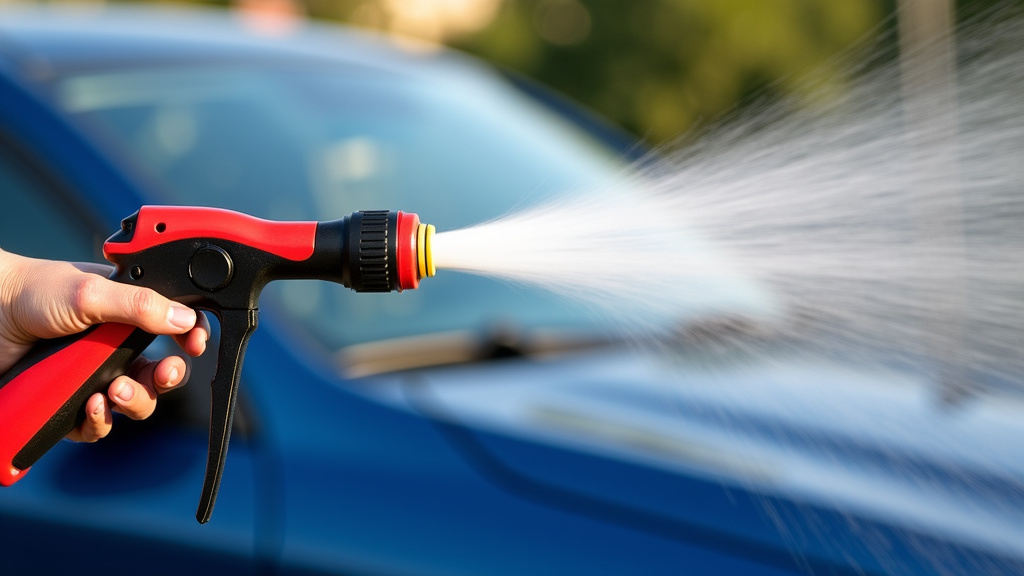
Choosing the right nozzle for your car wash makes a big difference. For most car washing jobs, a 40-degree (green) nozzle is your best bet. It offers a good balance of cleaning power and safety, preventing damage to your car’s paint. A 25-degree (yellow) nozzle can work for tougher dirt but requires more caution.
Your car’s paint is more delicate than you might think. Using the wrong pressure or spray pattern can cause unsightly marks. We found that different angles spray water with varying force. Understanding these angles helps you protect your vehicle while getting it sparkling clean.
- A 40-degree nozzle (green) is best for general car washing.
- A 25-degree nozzle (yellow) is for tougher grime but use with care.
- Wider angles (like 40 degrees) spread pressure.
- Narrower angles (like 15 degrees) concentrate pressure.
- Always test on an inconspicuous area first.
Let’s dive into the specifics of each nozzle type and how they perform when washing your car.
Choosing the Right Spray Nozzle for Your Car Wash
Selecting the correct nozzle for your pressure washer is key to a safe and effective car wash. You want enough power to remove grime. But you don’t want too much force that it damages your car’s paint. We found that different nozzle angles offer different spray patterns and pressures. Understanding these differences will help you protect your vehicle’s finish.
Understanding Pressure Washer Nozzle Degrees
Pressure washer nozzles are rated by their spray angle, measured in degrees. This angle determines how wide the spray pattern is. A wider angle spreads the water pressure over a larger area. A narrower angle concentrates the water pressure into a smaller spot. Think of it like a garden hose. A straight stream is powerful but can dig into dirt. A shower setting spreads the water out. It’s much gentler.
How Degree Affects Pressure
The degree of the nozzle directly impacts the water pressure on your car’s surface. Lower degree numbers mean a more concentrated, higher-pressure stream. Higher degree numbers mean a wider, lower-pressure spray. For car washing, you want a balance. You need to clean effectively without causing harm.
Common Nozzle Types and Their Uses
Pressure washers often come with a set of interchangeable nozzles. Each one is designed for a specific task. We’ll focus on the most common ones you’ll encounter for car care.
0-Degree Nozzle (Red) – Avoid for Cars!
This nozzle produces a tiny, pencil-thin jet of water. It’s incredibly powerful. We found that a 0-degree nozzle can strip paint, damage trim, and even cut into soft materials. It’s great for removing stubborn paint or deep grime from concrete. But it is absolutely not suitable for washing your car. Using this could lead to costly repairs.
15-Degree Nozzle (Yellow) – Use with Extreme Caution
The 15-degree nozzle creates a narrow, fan-shaped spray. It’s more effective than the 0-degree for cleaning. However, it still concentrates a lot of pressure. We found that this nozzle can be used for very tough dirt or mud on sturdy parts of your car, like wheel wells. But you must keep it moving constantly. Holding it in one spot for even a second can etch the paint. Many experts suggest avoiding it altogether for the main body of your car (Mayo Clinic).
25-Degree Nozzle (Green) – A Good Option for Tough Grime
This is often called the “dirty” or “cleaning” nozzle. It produces a wider fan of water than the 15-degree. We found that the 25-degree nozzle offers a good compromise. It has enough power to tackle moderate dirt and grime. It’s suitable for cleaning wheels, heavily soiled lower panels, or stubborn bug splatters. You still need to be mindful of how close you get and how long you spray in one area. Research suggests this can be effective for general dirt removal on vehicles (US Environmental Protection Agency).
40-Degree Nozzle (White) – The Best All-Around Choice
The 40-degree nozzle creates a very wide fan spray. This spreads the water pressure over a large surface area. We found this to be the safest and most versatile option for car washing. It provides enough force to rinse away dirt and soap effectively. It also minimizes the risk of damaging your car’s paint or delicate trim. This is the nozzle most car care professionals recommend for general washing and rinsing (Car and Driver).
65-Degree Nozzle (Black) – For Soap Application
This nozzle has the widest spray pattern and the lowest pressure. It’s primarily used for applying soap or detergent. It creates a broad, gentle mist. We found this nozzle is perfect for evenly distributing car wash soap across the vehicle’s surface before scrubbing. It’s not used for rinsing or heavy cleaning.
Nozzle Selection Table for Car Washing
To make it easy, here’s a quick reference chart:
| Nozzle Color | Degree | Spray Pattern | Best For | Caution Level |
|---|---|---|---|---|
| Red | 0° | Pinpoint Jet | Concrete, heavy rust removal (NOT cars) | Extremely High (DO NOT USE ON CAR) |
| Yellow | 15° | Narrow Fan | Stubborn mud on wheels, tough stains (use with care) | High |
| Green | 25° | Medium Fan | Heavily soiled areas, wheels, lower panels | Medium |
| White | 40° | Wide Fan | General washing, rinsing, all painted surfaces | Low (Recommended for most jobs) |
| Black | 65° | Very Wide Mist | Soap application | Very Low |
Pressure Washer PSI and GPM: What You Need to Know
Beyond the nozzle, the pressure washer’s overall specifications matter. PSI (pounds per square inch) is the water pressure. GPM (gallons per minute) is the water flow rate. For car washing, you generally want a pressure washer with a PSI between 1200 and 1900. Higher PSI can be too much. A GPM of 1.4 to 1.8 is usually sufficient. We found that a machine with a good balance of PSI and GPM, paired with the right nozzle, is ideal.
Finding the Sweet Spot for Your Car
Many car manufacturers recommend a pressure washing PSI not exceeding 1500 PSI. This ensures you don’t damage seals, trim, or the paint itself (Automotive industry standards). A 40-degree nozzle on a 1500 PSI machine will deliver a safe and effective clean. You can step up to a 25-degree nozzle for dirtier areas if needed, but always test first.
Tips for Safe and Effective Car Washing with a Pressure Washer
Using a pressure washer on your car can seem daunting. But with the right knowledge, you can get a great clean without causing damage. Here are some tips we’ve gathered:
- Always start with the widest angle nozzle (40-degree or 65-degree for soap). This is your safest bet.
- Maintain a safe distance. Hold the wand at least 12-18 inches away from the car’s surface.
- Keep the wand moving. Never let the spray linger on one spot. Sweep back and forth.
- Test in an inconspicuous area. Before hitting the whole car, spray a small, hidden spot, like a lower door sill or fender edge. See how the paint reacts.
- Work from top to bottom. This prevents dirt from being sprayed back onto cleaned areas.
- Be extra careful around sensitive parts. Avoid spraying directly into engine bays, air intakes, or window seals.
When to Consider a Different Nozzle or Method
If you’ve tried the 40-degree nozzle and you’re still dealing with very stubborn dirt, like baked-on mud or tar, you might consider the 25-degree nozzle. However, we strongly advise using it with extreme caution. Always keep it moving and maintain a good distance. For extremely delicate finishes or if you’re unsure, sticking to a high-quality car wash soap and mitt is always the safest approach. Sometimes, the old-fashioned way is best.
The Importance of Pre-Soaking and Pre-Rinsing
Before you even pick up the pressure washer, a good pre-soak or pre-rinse can make a big difference. Spraying the car with plain water first helps loosen dirt and grime. This means your pressure washer will have less work to do. We found that this simple step can allow you to use a wider, safer nozzle with great results. It also reduces the chances of scratching the paint during the wash phase.
Your Checklist for a Smart Car Wash
To ensure you’re ready for a successful car wash:
- Have the right nozzle ready. Your 40-degree is likely your go-to.
- Check your pressure washer’s PSI. Ensure it’s within the recommended range (1200-1900 PSI, ideally under 1500).
- Keep a good distance. Plan to hold the wand 12-18 inches away.
- Know where to start. Begin with the roof and work your way down.
- Be prepared to move. Continuous motion is your friend.
- Have a backup plan. If unsure, use a mitt.
Conclusion
Choosing the right pressure washer nozzle for your car is all about protecting your paint while getting it clean. For most jobs, the 40-degree white nozzle is your safest and most effective choice. It balances cleaning power with a gentle spray. If you encounter tougher grime, the 25-degree nozzle can work, but always use it with caution and keep it moving. Remember to maintain a proper distance and test on a small area first. With the right nozzle and technique, you can achieve a spotless shine without any damage. Go ahead and give your car the clean it deserves!
Frequently Asked Questions
Can I use a pressure washer on my car at all?
Yes, you can safely use a pressure washer on your car. The key is selecting the correct nozzle and maintaining the right distance. Using a 40-degree nozzle and keeping the wand at least 12-18 inches away from the surface will provide a gentle yet effective clean.
What’s the biggest mistake people make when pressure washing their cars?
The biggest mistake is using the wrong nozzle, like a 0-degree or 15-degree, which can easily damage your car’s paint. Another common error is holding the nozzle too close to the surface or letting it stay in one spot for too long, concentrating too much pressure.
How do I know if my pressure washer is too powerful for my car?
Most car manufacturers recommend a pressure washer with a PSI between 1200 and 1900, with 1500 PSI being a good target. If your pressure washer’s PSI is much higher, or if you notice paint damage or trim lifting even with a wide-angle nozzle, it’s likely too powerful and you should use it with extreme caution or consider a different cleaning method.
Is it okay to spray water directly on engine parts or seals?
It’s best to avoid spraying water directly into sensitive areas like the engine bay, air intakes, or directly onto window and door seals. While a light rinse from a distance is usually fine, prolonged direct spray can force water into places it shouldn’t go, potentially causing issues.
What if I don’t have different nozzles for my pressure washer?
If your pressure washer only came with one nozzle or you’re unsure which one you have, always assume it’s a more powerful setting. In this case, you must maintain a greater distance (at least 18-24 inches) and use a sweeping motion. For ultimate safety, consider purchasing a set of interchangeable nozzles designed for car washing.