How Much PSI to Clean a Roof? What’s Really Going On
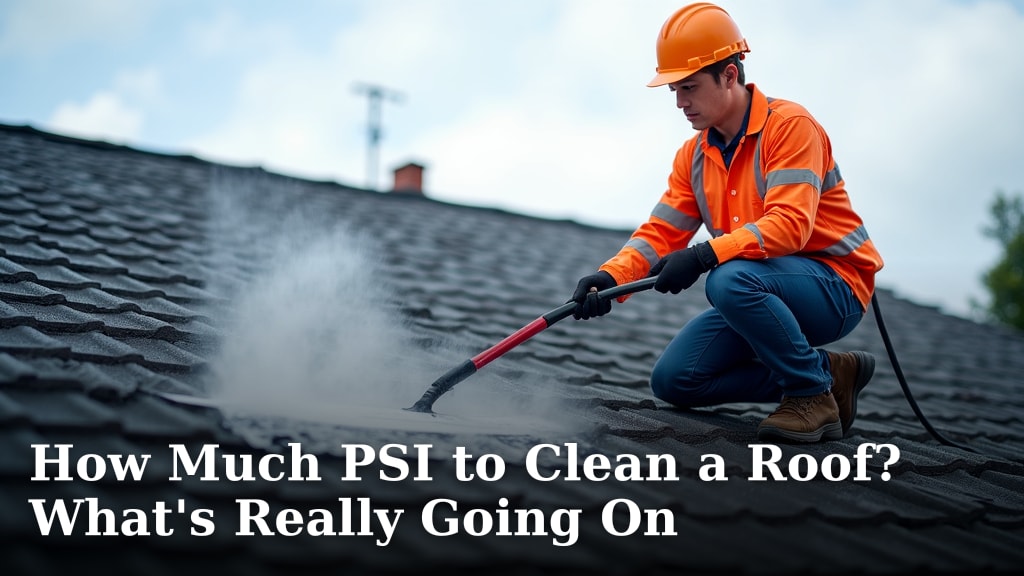
For most roofs, you’ll want to use a pressure washer on a low PSI setting, typically between 500 and 1,500 PSI. Too much pressure can easily damage your shingles and cause expensive repairs. It’s better to start low and increase it slowly if needed.
Cleaning your roof might seem straightforward, but the wrong pressure can cause more harm than good. Think of it like washing your car; you wouldn’t blast the paint off, right? We found that using the correct PSI is key to removing algae and moss without hurting your home’s surface. Many experts recommend specific nozzle types for safe roof cleaning.
- Roof cleaning usually needs 500-1,500 PSI.
- High pressure can damage shingles.
- Always start with low pressure.
- Use the right nozzle for the job.
- Consider professional help for tough jobs.
Let’s walk through exactly what PSI is best for your roof and what to watch out for.
Understanding the Right Water Pressure for Roof Cleaning
When you’re looking to clean your roof, the big question is often about water pressure. How much PSI is safe and effective for removing grime? We found that most experts agree on a range, but it’s not a one-size-fits-all answer. You’ll want to be very careful with this step.
Too much pressure can easily tear shingles, damage the underlayment, or even force water into your home. Think of it like using a hose on your car’s paint; you wouldn’t blast it at full force. This is why choosing the correct PSI is so important for preventing costly repairs down the line.
What is PSI and Why Does it Matter for Your Roof?
PSI stands for “pounds per square inch.” It’s a unit of measurement for pressure. When you’re using a pressure washer, the PSI tells you how much force the water is being sprayed with. For roof cleaning, the amount of force is critical for safety and effectiveness.
Different surfaces can handle different amounts of pressure. A concrete driveway can usually withstand a much higher PSI than your roof shingles. If you use too much pressure on your roof, you can strip away the protective granules from asphalt shingles. This is like removing the skin from an apple; it leaves the fruit vulnerable.
The Ideal PSI Range for Different Roof Types
The type of roof you have will greatly influence the PSI you should use. We’ve found that asphalt shingles, metal roofs, and tile roofs all have different needs. Let’s break them down.
Asphalt Shingles: Delicate but Durable
Asphalt shingles are the most common roofing material. They can be cleaned, but they are also quite sensitive. For asphalt shingles, you’ll want to aim for a low PSI, typically between 500 and 1,500 PSI. Anything higher than 2,000 PSI is generally considered too much and can cause damage (University of Illinois Extension).
The goal here is to wash away moss, algae, and dirt without dislodging the shingles themselves or damaging their surface. It’s always best to start at the lower end of the PSI range and test a small, inconspicuous area first. You might be surprised how effective a lower setting can be.
Metal Roofs: More Forgiving, But Still Need Care
Metal roofs are generally more durable than asphalt shingles. They can often handle a bit more pressure. For most metal roofs, a PSI of 1,000 to 2,000 PSI can be effective. However, you still need to be cautious about the cleaning solution you use and the angle of your spray.
Be mindful of any seams or coatings on your metal roof. High pressure could potentially compromise these areas. Always check the manufacturer’s recommendations for your specific type of metal roofing before you begin cleaning. They often have very clear guidelines.
Tile Roofs: Consider the Material and Condition
Tile roofs, whether they are clay or concrete, can be quite robust. However, they can also be slippery and prone to cracking if walked on improperly. For cleaning tile roofs, the PSI can range from 1,000 to 2,500 PSI. This is a wider range because tile types vary so much.
Older tiles might be more brittle and require a lower pressure. Newer tiles might withstand more. You also need to consider the grout or mortar holding the tiles in place. High pressure could damage these areas. For tile roofs, the angle of the spray and the type of nozzle are just as important as the PSI.
The Importance of Nozzle Selection
Using the right nozzle on your pressure washer is just as crucial as setting the correct PSI. Nozzles control the spray pattern and, consequently, the impact force of the water. We found that the wrong nozzle can turn a safe cleaning job into a disaster.
Here’s a quick rundown of common nozzle types:
- Red (0-degree) nozzle: This is a powerful, concentrated stream. Never use this on your roof. It’s too intense and will cause damage.
- Yellow (15-degree) nozzle: This offers a narrow spray. It’s still quite forceful and should be used with extreme caution, if at all, on roofs.
- Green (25-degree) nozzle: This is a wider spray pattern. It’s a common choice for many cleaning tasks and can be suitable for roofs, but start low on the PSI.
- White (40-degree) nozzle: This provides a very wide fan spray. This is often the safest choice for roofs as it disperses the pressure over a larger area.
- Black (soap) nozzle: This nozzle is designed to draw soap or cleaning solution into the water stream. It uses very low pressure.
Many professionals recommend using a 40-degree (white) nozzle for general roof cleaning. This wide spray pattern helps to distribute the water pressure evenly and reduces the risk of damaging your shingles. Always attach the nozzle before turning on the pressure washer.
Beyond PSI: Other Factors for Safe Roof Cleaning
While PSI is a major concern, it’s not the only factor you need to consider when cleaning your roof. Several other elements play a role in ensuring the job is done safely and effectively.
Water Temperature
Most pressure washing for roofs is done with cold water. Using hot water is generally not recommended unless specified by a particular cleaning solution or manufacturer. Hot water can sometimes accelerate the breakdown of certain roofing materials or coatings. Stick to cold water for most standard cleaning tasks.
Cleaning Solutions and Chemicals
For stubborn algae, moss, or lichen, you might need to use a cleaning solution. However, many pressure washing detergents are too harsh for shingles. We found that mild solutions are often best. Look for products specifically designed for roof cleaning or those recommended by your roofing manufacturer (Environmental Protection Agency).
Some effective solutions can be a mixture of water and a small amount of bleach or a specialized roof cleaner. Always follow the dilution instructions carefully. Never mix different cleaning chemicals together, as this can create dangerous fumes or reactions. A common approach is to apply the cleaner using the soap nozzle and let it dwell for a short period before rinsing with low-pressure water.
Technique and Approach
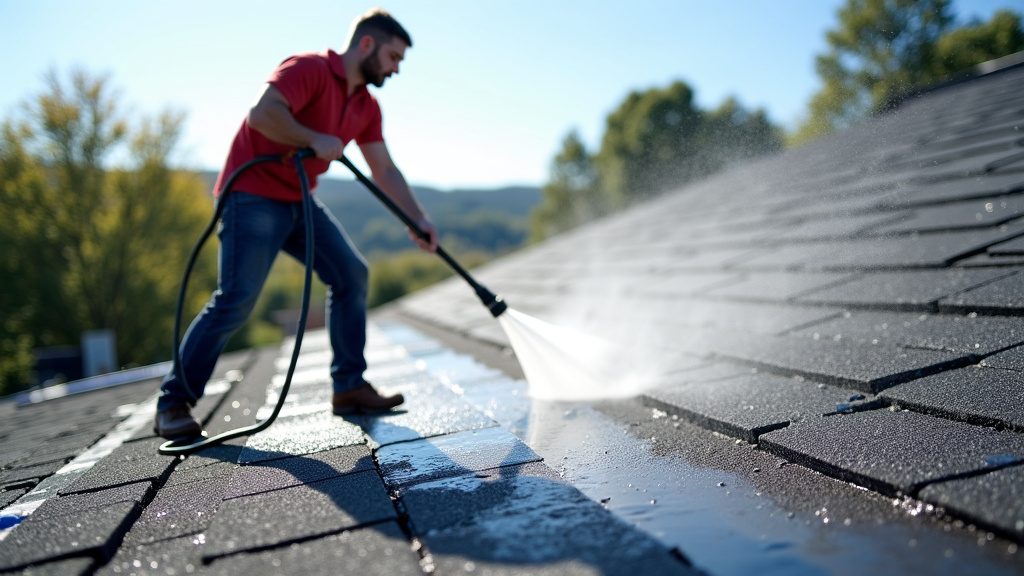
How you move the pressure washer matters. Always spray downhill, following the slope of the roof. This prevents water from being forced up under the shingles. Keep the wand moving constantly; don’t let the spray linger on one spot for too long, even at low pressure.
It’s also important to maintain a consistent distance from the roof surface. Holding the wand too close can increase the impact force. We found that keeping the nozzle at least 12-18 inches away from the surface is a good practice. Your goal is to rinse and remove, not to blast away the material.
When to Call a Professional
While cleaning your roof yourself might seem appealing, there are times when it’s best to leave it to the experts. If you’re uncomfortable working at heights, your roof is particularly steep, or you have a complex roofing system, it’s wise to consider professional help.
Professional roof cleaners have the right equipment, including specialized low-pressure washing systems and safety gear. They also have the experience to know which cleaning solutions are safe and effective for different roof types. They can identify potential issues like damaged shingles or flashing during the cleaning process.
The cost of hiring a professional might seem high, but it can often be less than the cost of repairing damage caused by an amateur cleaning attempt. Always get quotes from multiple reputable companies. Ask about their safety procedures and insurance.
A Quick Checklist for Safe Roof Cleaning Pressure
To summarize, here’s what to keep in mind about PSI for your roof:
- Start Low: Always begin with the lowest effective PSI setting.
- Know Your Roof: Different materials require different pressure levels.
- Use the Right Nozzle: A 40-degree (white) nozzle is often the safest choice.
- Test First: Try a small, hidden area to see how the pressure affects it.
- Maintain Distance: Keep the wand at a consistent distance from the roof.
- Consider Professionals: For steep or complex roofs, or if you’re unsure, call an expert.
Remember, your roof is a major investment. Taking the time to understand the right pressure and techniques will help keep it looking good and performing well for years to come. It’s all about being gentle yet effective.
Conclusion
Keeping your roof clean is essential for its longevity and your home’s curb appeal. You’ve learned that the key is using the right PSI, generally between 500 and 1,500 for asphalt shingles, and being mindful of your specific roof type. We found that selecting the proper nozzle, like a 40-degree white one, and using gentle cleaning solutions are just as important as water pressure. Don’t forget to always work downhill and maintain a safe distance. If you’re ever in doubt or your roof is particularly challenging, remember that calling a professional is a smart and safe choice. Take the time to assess your roof’s needs, and you’ll protect your investment for years to come.
Frequently Asked Questions
What happens if I use too much PSI on my roof?
Using too much PSI can cause serious damage. We found that excessive pressure can strip protective granules from asphalt shingles, loosen them, or even tear them. It might also damage the underlayment or force water into your home, leading to costly repairs.
Can I use a regular garden hose to clean my roof?
A garden hose alone typically won’t provide enough pressure to effectively remove stubborn moss or algae. While it won’t damage your roof, you’ll likely need a specialized cleaning solution and possibly some light scrubbing to get the job done. A low-PSI pressure washer offers a more efficient cleaning experience.
Is it safe to walk on my roof to clean it?
Walking on your roof can be dangerous, especially if it’s wet or steep. We recommend using a sturdy ladder and safety harness if you must access the roof. For most cleaning tasks, it’s safer to use extension poles or hire a professional to avoid the risks associated with working at heights.
How often should I clean my roof?
The frequency of roof cleaning depends on your climate and the growth of algae, moss, or lichen. In humid areas with lots of trees, you might need to clean it every 1-2 years. In drier climates, you might only need to clean it every 3-5 years. Regular visual checks can help you decide.
Are all pressure washing cleaning solutions safe for roofs?
No, not all cleaning solutions are safe for roofs. Harsh chemicals can damage shingles and other roofing materials. We found that it’s best to use mild solutions specifically designed for roof cleaning or follow manufacturer recommendations. Always dilute solutions properly and rinse thoroughly with low pressure.