How to Use Detergent in a Karcher Pressure Washer
To use Karcher pressure washer detergent, dilute it as directed and feed it through your washer's compatible detergent dispenser or suction system. Apply it at low pressure, let it work as the label directs, then rinse with clean water.
On this page (9 sections)
- How do you use Karcher pressure washer detergent?
- Which Karcher detergent system should you use?
- How should you dilute Karcher detergent?
- What soap can you use for washing a car?
- Which nozzle should you use to apply detergent?
- How long should detergent stay on a surface?
- Why isn't your Karcher washer drawing detergent?
- What should you do after using detergent?
- Which steps matter most when using Karcher detergent?
To use Karcher pressure washer detergent, dilute it according to its label and feed it through your washer's compatible detergent dispenser or suction system. Apply at the low-pressure setting specified in the manual, allow the label's recommended dwell time, then rinse thoroughly.
The exact setup varies by Karcher model. Check the manual for where detergent goes and which setting or attachment draws it in; don't pour soap into the high-pressure water inlet.
For a comparable brand-specific process, see Simpson washer soap guide.
How do you use Karcher pressure washer detergent?
Fill or connect the detergent system your model supports, then apply soap at low pressure. Rinse the surface with clean water after the detergent has worked for the time stated on its label.
For another brand-specific walkthrough, see Sun Joe soap guide.
- Read the washer manual and detergent label.
- Dilute concentrate if the label calls for it.
- Add detergent to the built-in tank, or connect the approved suction tube or attachment.
- Select the detergent mode or low-pressure setup specified for your model.
- Apply from the bottom up if appropriate for the surface, working in small areas.
- Let the solution work as directed, without allowing it to dry.
- Rinse with clean water using the correct rinse setting and nozzle.
If the washer stops drawing soap, pause and check that the selected mode, nozzle, and detergent feed setup match the manual. Avoid running the detergent system dry or forcing a connection that doesn't fit.
For a broader walkthrough of detergent application, see how to use detergent with a pressure washer.
Which Karcher detergent system should you use?
Use only the feed method your specific washer supports. Karcher models may use different tanks, suction tubes, or attachments, so the manual is the guide for your unit.
A built-in detergent tank is filled at the marked opening, if your model has one. A suction system draws soap through its tube from a separate container; secure the tube as directed and keep its end in the solution.
Some washers use a compatible foam attachment instead of a built-in tank. Don't assume that a bottle or connector fits because it looks similar.
Confirm compatibility before attaching it, and don't modify fittings.
Can you use a foam cannon with a Karcher washer?
Use a foam cannon only if its connector and operating requirements match your washer. A pressure washer foam cannon may need a specific quick-connect fitting and adequate flow, so check both manuals before use.
The DUSICHIN SFL-001 Foam Cannon Snow Foam Lance includes a 1/4 in quick-disconnect fitting and a 33 oz container. Its stated requirements are a washer rated for 6 GPM and a maximum pressure of 3,000 PSI, so confirm your Karcher model meets the requirements and accepts the fitting.
Use the detergent dilution recommended for the foam attachment and soap. Foam appearance alone doesn't show that the detergent concentration is right.
How should you dilute Karcher detergent?
Follow the dilution instructions on the detergent container. Concentrates vary, and the correct amount depends on the product and the application method.
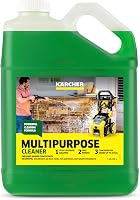
KÄRCHER Multi Purpose Pressure Washer Detergent is a concentrate intended for pressure washer, foam cannon, or manual use. Karcher says one gallon can make up to 40 gallons of detergent, but the exact mix should follow the container label.
The product is described for cleaning concrete, pavement, driveways, patios, decks, sidewalks, RVs, cars, boats, homes, and fencing. Check that the label allows your target surface and application method.
Don't make a stronger mix because the surface looks heavily soiled. Use the label's directions, allow the recommended dwell time, and repeat the cleaning pass if the surface needs more attention.
What soap can you use for washing a car?
Choose a car wash soap that is labeled for pressure washer or foam cannon use. Use it with the compatible detergent feed method and follow its dilution instructions.
Adam's Polishes Car Wash Shampoo is described as suitable for a wash bucket, foam gun, or foam cannon. Adam's says its pH neutral formula is designed for vehicle surfaces including paint, rubber, vinyl, windows, and plastics.
A foam cannon is an attachment, not a substitute for checking detergent compatibility. Make sure the soap and attachment instructions agree, and rinse the vehicle completely.
For Karcher-specific options, compare our guide to the best Karcher pressure washer detergent. If you're cleaning with another brand, see the best Westinghouse pressure washer soap or how to use soap in a Ryobi pressure washer.
Which nozzle should you use to apply detergent?
Use the nozzle or setting your Karcher manual specifies for detergent application. Many pressure washers need a low-pressure setup to draw soap; a high-pressure spray can stop the detergent feed from working as intended.
Switch the washer off before changing attachments, and follow the manual's steps for depressurizing the hose and wand. Keep the spray pointed away from people, pets, windows, and fragile surfaces.
When you finish applying detergent, switch to the recommended rinse setup. Start with a safe distance from the surface, then move closer only if the material can handle the spray.
How long should detergent stay on a surface?
Use the dwell time on the detergent label and rinse before the solution dries. Sun, heat, and wind can make soap dry faster, so work in small sections when conditions are warm.
Don't leave detergent on longer just because foam remains visible. Follow any surface restrictions on the label, and rinse nearby plants or other exposed areas if the instructions call for it.
If you're cleaning around landscaping, review whether pressure washer detergent can damage plants. For a closer look at ingredients and common formulations, read what pressure washer detergent is made of.
Why isn't your Karcher washer drawing detergent?
Check the detergent mode, nozzle, feed tube, and detergent level first. A setting or attachment mismatch is a common reason soap may not flow.
Turn off the washer before inspecting connections. Make sure the suction tube is seated correctly, its end reaches the detergent, and the detergent is mixed as directed.
If these checks don't help, consult the troubleshooting section of the manual for your model. Don't put a tool into an inlet or remove parts unless Karcher instructs you to do so.
What should you do after using detergent?
Flush or clean the detergent system as your manual directs, then rinse the work area. Follow the washer's shutdown steps before storing the machine or removing an attachment.
Empty leftover detergent only as the label allows. Clean the container or attachment if its instructions call for it, and store detergent as directed on its container.
A pressure washer brush may help with areas that need agitation, while a dedicated bottle can suit a separate feed setup. Compare pressure washer brushes or pressure washer detergent bottles if either solves a specific cleaning need.
Which steps matter most when using Karcher detergent?
For safe, effective detergent use, match the soap and feed method to your Karcher model, follow the label's dilution, apply at the specified low-pressure setting, and rinse before the solution dries. The washer manual and detergent label settle questions about model-specific setup and surface use.
Choose KÄRCHER Multi Purpose detergent for a concentrated pressure washer soap, Adam's shampoo for a vehicle wash with a compatible foam setup, or the DUSICHIN foam lance only when your washer meets its requirements. Measure the fitting and check the manual before buying an attachment.
For another brand's detergent process, the Ryobi soap guide covers its washer setup.
Sources:
Frequently asked questions
Can I use any detergent in a Karcher pressure washer?
No. Use detergent that is suitable for pressure washer application and compatible with your washer's detergent feed system.
Check the manual and detergent label before filling a tank or connecting a suction tube; household cleaners may foam too much or harm the washer or surface.
Where do you put detergent in a Karcher pressure washer?
That depends on the model. Some Karcher washers use a built-in tank, while others draw detergent through a suction tube or a compatible attachment.
Check the manual for the correct inlet and setup, and never pour detergent into the high-pressure water connection.
Do you use a high-pressure nozzle to apply detergent?
Usually, detergent application uses a low-pressure setting or the washer's detergent mode, because high pressure can prevent detergent from feeding correctly. Follow your Karcher manual for the right nozzle or setting, then switch to the recommended rinse setup to wash the surface.
Should you let pressure washer detergent dry?
No. Follow the detergent label for dwell time and rinse before the solution dries.
Work in manageable sections, especially in sun or warm weather, and keep detergent off surfaces the label excludes.