What Does the Red Nozzle Tip Do? Key Facts

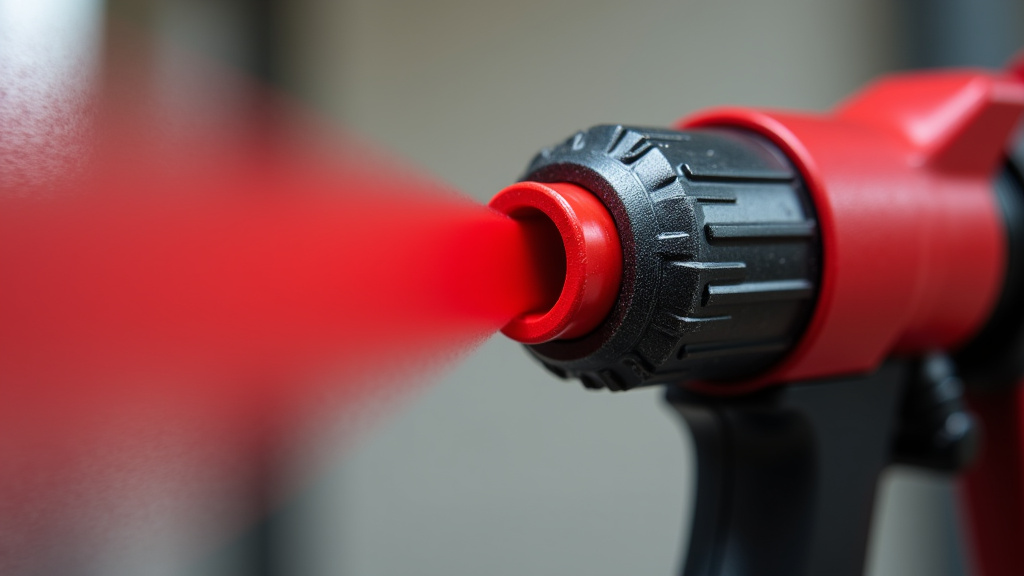
The red nozzle tip on a spray paint can is designed for a fine spray pattern. It’s often called a detail or artist nozzle. This helps you achieve precise lines and control when you’re painting.
Many spray paint users wonder about different nozzle colors. Each color typically indicates a different spray width and output. Understanding these can help you choose the right one for your specific project needs. A red nozzle is generally for finer work.
TL;DR:
- The red nozzle is for fine spray and detail work.
- It offers excellent control for precise lines.
- Other nozzle colors exist for different spray widths.
- Choosing the right nozzle is key for your painting project.
Let’s get into the specifics of what makes that little red nozzle so useful for detailed jobs.
Understanding the Red Spray Paint Nozzle Tip
So, you’ve grabbed a can of spray paint and noticed a little red nozzle tip. You might be wondering, what’s the deal with this specific color? Well, it’s designed for a very particular type of job. The red nozzle is your go-to for getting fine, controlled lines and details. Think of it like the difference between a broad paintbrush and a fine-tipped marker. This nozzle offers that kind of precision.
The Purpose of the Red Nozzle: Precision Painting
The main job of the red nozzle is to produce a narrower spray pattern. This means the paint comes out in a more focused stream. You get less overspray compared to other nozzles. This makes it ideal for tasks where accuracy is key. If you’re painting small objects, adding fine details to a larger piece, or need to create sharp, clean lines, the red nozzle is your friend.
Many users find that the red nozzle helps them avoid mistakes. When you have more control, you’re less likely to paint outside the lines or create messy splotches. This can save you time on cleanup and touch-ups. It’s a simple tool that can make a big difference in your project’s final look.
What Kind of Projects Benefit Most?
Projects that call for a red nozzle often involve:
- Detailing small models or miniatures.
- Adding lettering or logos to surfaces.
- Creating stencils with sharp edges.
- Touching up small areas or scratches.
- Achieving a fine gradient or fade effect.
How the Red Nozzle Differs from Other Caps
Spray paint cans come with a variety of nozzle tips, and each one affects how the paint is applied. These are often called caps. The color of the cap is usually a quick indicator of its spray width and output rate. It’s a smart system that manufacturers use to help consumers choose the right cap for their needs.
The red nozzle is generally associated with a fine spray. Other caps might offer a wider spray for covering large areas quickly, or a variable spray that lets you adjust the width. For instance, a fat cap might cover a large surface area with thick lines, while a skinny cap (which can sometimes be red, but not always) might offer even finer lines than a standard red nozzle.
Comparing Spray Widths
To give you a better idea, let’s look at some common cap types and their general spray widths. Remember, exact measurements can vary by brand.
| Cap Type (Common Examples) | Typical Spray Width | Best Use Case |
|---|---|---|
| Red Nozzle (Fine Spray) | 0.5 – 1 inch | Detailing, lettering, fine lines |
| Standard Cap (Medium Spray) | 1 – 2 inches | General purpose, small to medium areas |
| Fat Cap (Wide Spray) | 2 – 6 inches | Quick coverage, large areas, bold lines |
| Skinny Cap (Very Fine Spray) | 0.25 – 0.75 inches | Extreme detail, calligraphy, very thin lines |
Achieving Control with the Red Nozzle
Control is a big word when it comes to spray painting. The red nozzle helps you achieve that control because of how it disperses the paint. The narrower spray pattern means you can place paint exactly where you want it. It’s like steering a car with a precise steering wheel versus one with a lot of give.
When you’re working on detailed sections, you want to avoid paint bleeding into areas it shouldn’t. The focused spray from a red nozzle minimizes this risk. This precision is why artists often prefer them for adding highlights, shadows, or specific textures to their work (Source: Art supplies educational guides).
Tips for Maximizing Control
To get the most out of your red nozzle, consider these tips:
- Maintain the correct distance. Holding the can too close can cause drips, while holding it too far can lead to uneven coverage. Experiment to find the sweet spot for your project.
- Use short, controlled bursts. Don’t try to paint a long line in one go. Build up your coverage with several passes.
- Practice your technique. Just like any tool, practice makes perfect. Test the nozzle on scrap material first.
- Ensure the can is properly shaken. A well-mixed can delivers consistent paint flow, which is crucial for detail work.
What If Your Red Nozzle Clogs?
Even the best nozzles can get clogged. This is frustrating when you’re in the middle of a detailed project. If your red nozzle stops spraying properly, don’t panic! Often, it’s a simple fix.
Common Causes of Clogging
The most frequent reason for a clogged spray paint nozzle is paint drying inside the nozzle tip or on the ball bearing within the can. This can happen if the can isn’t stored correctly or if paint residue is left in the nozzle after use.
Another cause can be inadequate shaking of the can. If the pigments and solvents aren’t mixed thoroughly, the paint can become thick and gummy. This thicker paint is more likely to clog the fine opening of a detail nozzle.
How to Unclog Your Red Nozzle
If you find your red nozzle is clogged, here’s what we found can help:
- Shake the can vigorously. Sometimes, a good shake is all it takes to dislodge a minor clog.
- Clear the nozzle tip. You can try using a fine needle or a straightened paperclip to gently poke through the nozzle opening. Be careful not to damage the nozzle.
- Use a nozzle cleaner. Some art supply stores sell specialized nozzle cleaners. Follow their instructions carefully.
- Run water through it (for water-based paints). If you’re using a water-based spray paint, try running warm water through the nozzle. This won’t work for solvent-based paints.
- Replace the nozzle. If the clog is severe or persistent, the easiest solution is often to replace the nozzle cap. Many spray paint brands offer replacement caps.
Preventing Future Clogs
Prevention is always better than a cure! Here’s how you can help keep your red nozzle clear:
- Always shake the can thoroughly before and during use. Aim for at least two minutes of shaking after you hear the ball rattle.
- After each use, turn the can upside down and spray for a few seconds. This clears any residual paint from the nozzle.
- Store cans upright in a cool, dry place. Avoid extreme temperatures, which can affect the paint’s consistency.
- If you have paint left in the nozzle, clean it immediately. A quick spray of water (for water-based paints) or a specialized cleaner can save you trouble later.
Is the Red Nozzle Always the Same?
While the red nozzle generally signifies a fine spray, there can be slight variations. Different spray paint brands might use slightly different nozzle designs or labeling systems. It’s always a good idea to check the packaging or product description if you need a very specific type of spray pattern.
Brand Variations and Considerations
You might find that one brand’s red nozzle produces a slightly finer line than another’s. Some brands may also offer multiple types of fine-spray nozzles, perhaps with slightly different spray patterns or output rates, all under the “red” category or with similar descriptive terms like “detail” or “artist.”
We found that reading user reviews or product descriptions can be helpful. If you’re working on a project with extremely tight tolerances, it’s worth researching the specific nozzle cap you’re considering. Some manufacturers provide charts detailing the spray width for each cap they offer.
When to Consider Other Nozzle Types
The red nozzle is fantastic for detail, but it’s not the best choice for every job. If you need to cover a large area quickly, like painting a wall or a large piece of furniture, you’ll want a wider spray pattern. A fat cap or a standard nozzle will be much more efficient.
Similarly, if you’re aiming for a very soft, diffused spray for backgrounds or large gradients, a red nozzle might be too focused. You might need a cap designed for softer coverage or a wider spray pattern to achieve that effect. Always match your nozzle to the task at hand!
Quick Checklist for Using Your Red Nozzle:
- Shake it well: Ensure the paint is fully mixed.
- Test first: Always try it on scrap material.
- Proper distance: Find the optimal distance for clean lines.
- Controlled bursts: Use short, overlapping strokes.
- Clean after use: Turn the can upside down and spray to clear the nozzle.
- Store properly: Keep cans upright and cool.
Conclusion
You’ve learned that the red nozzle tip is your secret weapon for precision spray painting. It’s designed to give you that fine, controlled spray pattern needed for detailed work, lettering, and clean lines. While other caps serve different purposes, the red nozzle excels when accuracy is paramount. Understanding its function and how to use it effectively will significantly improve your project outcomes. Now, go forth and paint with confidence, knowing you have the right tool for detailed jobs!
Frequently Asked Questions
What if a red nozzle tip gets clogged?
If your red nozzle tip gets clogged, first try shaking the can vigorously. You can also gently try to clear the opening with a fine needle or a straightened paperclip. If that doesn’t work, consider using a specialized nozzle cleaner or replacing the cap.
Can I use a red nozzle for large areas?
While you can technically use a red nozzle for large areas, it’s not ideal. Its fine spray pattern makes it slow for covering large surfaces. You’d be better off using a wider spray cap, like a fat cap, for efficiency.
Are all red spray paint nozzles the same?
Generally, red nozzles aim for a fine spray, but there can be slight variations between brands. Some brands might offer different types of fine-spray nozzles. It’s always a good idea to check the packaging for specific spray width details.
How can I get the cleanest lines with a red nozzle?
To achieve the cleanest lines, maintain a consistent distance from your surface and use short, controlled bursts of spray. Practicing on scrap material first will help you find the perfect technique and distance for your project.
What’s the difference between a red nozzle and a skinny cap?
A red nozzle typically offers a fine spray pattern for detail work. A skinny cap often provides an even finer, thinner line, sometimes used for calligraphy or extremely precise details. While both are for fine work, a skinny cap is usually the thinnest option available.