Electric Pressure Washer vs Gas: Which Should You Choose? (October 2026)
Choose electric for routine cleaning near a power outlet; choose gas when you need more freedom from a cord and can manage fuel and engine upkeep. Compare the work, access, noise and maintenance before deciding.
On this page (9 sections)
- Electric pressure washer vs gas: which should you choose?
- How do cleaning performance and power compare?
- Which gives you better access around the property?
- Which type needs more maintenance?
- Are gas or electric pressure washers louder?
- What should you know about detergent and setup?
- Which electric washer fits a smaller cleaning routine?
- Which comparison products actually fit this choice?
- How do you decide between gas and electric?
Choose an electric pressure washer for routine cleaning near an outlet; choose gas when cord-free reach matters and you can handle fuel and engine upkeep. The electric pressure washer vs gas decision depends on the jobs you do, your work area and the maintenance you want to take on.
Electric models need a power outlet, and their cords limit where you can work. Gas models offer more distance from an outlet, but you need to manage fuel, engine care and exhaust outdoors.
This comparison covers cleaning performance, power access, maintenance, noise and setup. For a wider overview of features and fit, see our buying a pressure washer guide.
Electric pressure washer vs gas: which should you choose?
Choose electric for nearby routine jobs and gas for work areas where a power cord would get in the way. The right choice is the one that can reach the surface and deliver suitable cleaning power without adding hassles you don't want.
An electric washer can suit patios, vehicles and outdoor equipment when a suitable outlet is close. For another light-duty option, see the Kärcher K2 pressure washer review.
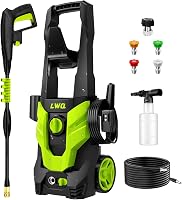
The Sun Joe SPX3000 is a corded model with up to 2030 PSI working pressure, 1.2 GPM water flow, a 20 ft high-pressure hose and five quick-connect spray tips.
A gas washer may suit larger or more spread-out work areas where outlet access is limited. You can compare DeWalt pressure washer models when checking specific options.
Check the exact model's pressure, water flow, hose length and maintenance schedule before buying; gas power alone doesn't tell you how quickly or safely it will clean a surface.
Don't choose by fuel type alone. A powerful washer with a poor nozzle choice can damage a surface, while a lower-output model may take longer on heavy buildup.
How do cleaning performance and power compare?
Compare pressure and water flow together, then match them to the surface and dirt. For a high-output electric option, see 5000 PSI electric pressure washer guidance.
Gas versus electric doesn't tell you which exact model cleans better.
Pressure, measured in PSI, describes the force of the water. Flow, measured in GPM, describes how much water moves through the washer over time.
A washer with higher pressure can help with stubborn grime, but too much force can damage wood, paint, seals or softer materials. Start with a wider spray pattern and test a small, hidden area before cleaning a full surface.
The Sun Joe SPX3000 provides up to 2030 PSI working pressure and 1.2 GPM water flow. Its five tips include 0°, 15°, 25°, 40° and soap; use the tip that fits the surface and follow the washer's instructions.
A gas model may offer more cleaning power than an entry-level electric model, but specs vary by model. For heavier-duty electric work, see industrial electric pressure washer options.
Compare the pressure and flow of the specific washers you're considering, along with the included nozzles and intended uses.
Our explanation of cleaning power on a pressure washer shows why pressure alone doesn't settle the choice. For terminology, see pressure washer vs power washer.
Which gives you better access around the property?
Electric gives you a fixed working area around an outlet; gas gives you more freedom from a power cord. Hose length and water access still limit either type.
With an electric washer, plan the route for both the hose and the cord. Keep electrical connections away from water, use the required GFCI protection and follow the manual's instructions for outdoor use.
The Sun Joe SPX100-GO has a 35 ft GFCI-protected power cord and a 20 ft hose. That reach can reduce outlet changes, but you'll still need a suitable outlet and a safe path for the cord.
A gas washer avoids the power cord, which can help across a large driveway or multiple areas far from the house. It still needs a hose connection, and you must operate it outdoors according to its manual because gas engines produce exhaust.
Measure your farthest work area from both the outlet and water source before you choose. A longer hose or cord may help, but don't use an extension cord unless the manufacturer says it's suitable.
Which type needs more maintenance?
Electric washers usually need less routine power-source care; gas washers also need engine and fuel maintenance. Follow the manual for the exact model, since service needs differ.
An electric washer has no combustion engine, oil changes or fuel to store. You still need to inspect hoses and connections, keep the intake clear, use the correct detergent and protect the pump from freezing if the maker's instructions require it.
A gas washer adds engine care. Depending on the model, that can mean checking oil, maintaining the air filter, using suitable fuel and preparing the engine for storage.
Fuel also needs safe handling and storage. Use only the type specified by the manufacturer, and keep it away from heat or ignition sources.
Consider whether you'll use the washer often enough to keep up with that care. If it will sit for long periods between seasonal jobs, an electric unit may be simpler to store and restart.
Are gas or electric pressure washers louder?
Electric washers are generally quieter, while gas models add engine noise. The exact sound depends on the model, workload and distance from the person using it.
Noise matters when you clean near neighbors, family members or quiet outdoor spaces. Check for a sound rating if the manufacturer provides one, and choose a time that won't disturb nearby households.
The best quiet pressure washer options can help if lower noise is a priority. Use hearing protection when recommended by the washer's manual, especially during longer cleaning sessions.
What should you know about detergent and setup?
Use detergent only when the washer and surface instructions allow it. A built-in tank or foam applicator can simplify application, but it doesn't make every cleaner suitable.
The Sun Joe SPX3000 has two onboard 0.9 L detergent tanks and a soap applicator. The SPX100-GO comes with a 13.53 oz foam bottle for pressure-washer-specific detergent.
Read the cleaner label and washer manual before adding soap. Our guide to what soap you can use in a pressure washer explains how to choose a compatible detergent.
Before startup, connect the water supply and clear air from the hose as directed by the manual. Never run a washer without water flowing through it unless the manufacturer explicitly allows it.
Which electric washer fits a smaller cleaning routine?
A compact electric washer suits occasional jobs when its pressure and reach are enough. The Sun Joe SPX100-GO has a 13-amp motor, up to 1800 PSI, a 20 ft hose and a 35 ft GFCI-protected cord.
Its four quick-connect tips cover 0°, 15°, 25° and 40° patterns. The onboard detergent system includes a 13.53 oz foam bottle, and its Total Stop System shuts off the motor when you release the trigger.
The SPX100-GO may fit a small storage area better than a larger machine, but measure the space and account for the hose and cord. If you're comparing lower-cost models, browse our best pressure washers under 100 dollars.
Which comparison products actually fit this choice?
Only the two Sun Joe electric washers in this product set are pressure washers. The other two items are unrelated, so they aren't substitutes for a gas washer.
| Product | Best for | Power | Pressure | Water flow | Our score |
|---|---|---|---|---|---|
| Sun Joe Pressure Washer | routine home cleaning | Corded electric | Up to 2030 PSI working pressure | 1.2 GPM | 9.7 |
| Sun Joe SPX100-GO Electric Pressure Washer | easy storage | AC electric | Up to 1800 PSI | 9.6 | |
| Gas One GS-3400P Propane or Butane Stove | campsite cooking | 9.5 | |||
| Physician's CHOICE Bloat & Gas Probiotic 5-in-1 | digestive support | 9.2 |
For a brand-specific shopping path, see our best Craftsman pressure washer guide. A wall-mounted hot water model is a different type of setup; our wall-mounted hot water pressure washer guide explains what to consider.
How do you decide between gas and electric?
Pick electric if you have outlet access and want simpler routine care; pick gas if your work area needs cord-free reach and you accept engine maintenance. Then compare the exact model specs and the surfaces you plan to clean.
Choose electric for cars, outdoor furniture, small patios and occasional household cleanup near an outlet. Choose gas when you need to move farther around a property and can operate and maintain an engine safely.
If the choice remains close, measure your work area, list your hardest cleaning task and compare PSI, GPM, hose reach and nozzle options. The best pressure washer is the one that fits those constraints without making routine care a burden.
Frequently asked questions
Is an electric or gas pressure washer better?
Electric suits routine cleaning when an outlet is close and the washer's reach and cleaning power fit the job. Gas suits work farther from an outlet, but brings fuel, engine upkeep and more noise to consider.
Compare the exact washer's pressure and flow with the surfaces you plan to clean.
Can an electric pressure washer clean a driveway?
An electric washer can handle some driveway cleaning if its pressure, flow, nozzle and cleaning method fit the surface and soil. The Sun Joe SPX3000 is described for driveways and provides up to 2030 PSI working pressure at 1.2 GPM.
Follow the surface and washer instructions.
Does a gas pressure washer need an outlet?
A gas washer generally uses an engine for power rather than a household electrical outlet, but its exact requirements depend on the model. It still needs a suitable water supply and proper outdoor operation.
Check the manual for startup, ventilation, fuel and maintenance instructions before use.
Which type is quieter?
Electric washers are generally the quieter choice because they don't use a small combustion engine, though sound varies by model and distance. If noise is a priority, compare the exact sound ratings when available and consider when and where you'll clean.
The best quiet pressure washer options can help narrow the search.
What should I compare besides PSI?
Compare water flow, nozzle choices, hose and cord reach, power source, detergent options and maintenance needs. PSI alone doesn't describe how quickly a washer moves dirt.
Our guide to what cleaning power means on a pressure washer explains how pressure and flow work together.