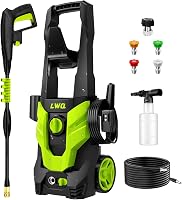
Choosing an Electric Pressure Washer with a Triplex Pump
A true electric pressure washer with a triplex pump is an uncommon combination. Check the pump maker’s manual for a triplex design and service parts, then compare the washer’s rated pressure and flow, motor requirements, and duty guidance.
On this page (8 sections)
- What does a triplex pump mean on an electric pressure washer?
- How should you compare pressure and flow?
- What electrical requirements should you check?
- What affects sustained cleaning capacity?
- Which electric washers help with common cleaning tasks?
- What accessories and cleaning methods should you plan for?
- What should you confirm before choosing?
- How do you choose an electric pressure washer with a triplex pump?
A true electric pressure washer with a triplex pump is an uncommon combination, so verify the pump model and service instructions before you buy. Then compare rated pressure and flow, electrical requirements, and the maker’s guidance for sustained operation.
A washer’s PSI headline cannot confirm its pump design or how long it can run. Look for documentation that names the pump, lists service parts, and explains operating limits.
If you’re comparing higher output options, our guide to an electric pressure washer 5000 psi explains why pressure claims need context. For a wider view of equipment aimed at longer work sessions, see our best commercial electric pressure washer guide.
What does a triplex pump mean on an electric pressure washer?
A triplex pump uses three plungers to move water through the pump. The term describes the pump’s construction, not a guarantee of higher cleaning power, longer life, or commercial-grade performance.
A triplex pump may be attractive if you want a design that can be serviced, but serviceability depends on the exact pump and parts support. Confirm that the manufacturer identifies the pump and offers repair guidance or replacement components.
Don’t infer the pump type from a washer’s size, price tier, or pressure rating. Check the model manual or pump documentation for the specific design.
How can you verify an electric triplex pump?
Look for the pump manufacturer, model number, and an exploded parts diagram or service manual. These details help you confirm both the pump style and whether key wear parts can be replaced.
For Simpson pumps, check the required pump oil before servicing.
If the washer documentation does not name the pump, ask the manufacturer or seller for written confirmation before treating it as a triplex model. A general phrase such as “commercial duty” does not guarantee the pump design.
How should you compare pressure and flow?
Compare rated PSI and rated GPM together, because pressure and water flow affect different parts of cleaning. Maximum figures may not describe the same operating condition, so check how the manufacturer states each number.
Rated pressure describes pressure during a stated operating condition. Flow rate describes the volume of water moving through the washer over time; it influences how quickly you can rinse away loosened dirt.
The cleaning result also depends on the nozzle, distance, surface, and technique. Our guide to what cleaning power means on a pressure washer explains how to think about pressure and flow as a pair.
| What to check | Why it matters |
|---|---|
| Rated PSI | Gives a more useful pressure figure for comparing models |
| Rated GPM | Shows the stated flow at the rated operating condition |
| Maximum PSI and GPM | Check the maker’s conditions before comparing headline numbers |
| Nozzles and accessories | These shape the spray and can change how a job feels |
| Pump details | Confirms the design and whether service information is available |
Avoid choosing a washer based only on its maximum PSI. A higher pressure number does not tell you how much water flows at that pressure or whether the machine suits your surface.
What electrical requirements should you check?
Check the voltage, current draw, plug, and circuit guidance before choosing an electric pressure washer. The washer must fit the power supply available where you plan to work.
A corded washer may need a particular outlet or circuit, especially if its motor draws more current. Follow the manual and avoid using an extension cord unless the manufacturer says it is suitable and gives the required gauge and length.
A triplex pump does not tell you how much electrical power the motor needs. Keep the pump and motor requirements as separate checks.
If you’re comparing a washer for longer work sessions, our industrial electric pressure washer guide covers the broader equipment choices. For models positioned for demanding tasks, see best heavy duty electric pressure washers.
What affects sustained cleaning capacity?
Sustained cleaning capacity depends on the motor, pump, cooling, water supply, and maker’s duty guidance. A triplex design by itself does not specify how long you can run the washer without a break.
Read the manual for run-time limits, rest periods, water temperature limits, and any instructions for continuous operation. If the manufacturer does not publish duty guidance, ask before planning repeated or extended sessions.
Water supply matters too. Make sure the source can meet the washer’s required flow and that the inlet hose and filter are set up as directed.
Poor supply can interrupt work and may harm the pump.
A stable setup can make longer jobs easier to manage. Keep the machine ventilated as instructed, route hoses to avoid kinks, and take breaks that follow the manual.
Which electric washers help with common cleaning tasks?
The examples below are consumer electric washers with stated pressure and flow figures. Their supplied product details do not identify a triplex pump, so treat them as alternatives for household cleaning rather than confirmed triplex models.
The Sun Joe SPX3000 has a stated working pressure of 2030 PSI and water flow of 1.2 GPM. Its five tips include 0°, 15°, 25°, 40°, and soap options, and the pair of 0.9 L detergent tanks lets you keep two cleaning solutions on the washer.
Its 20 ft high-pressure hose and 34 in stainless steel lance with brass fittings support everyday outdoor jobs. These details can help you compare setup and accessories, but they do not confirm a triplex pump.
Westinghouse states rated output of 1800 PSI and 1.2 GPM, along with maximum figures of 2100 PSI and 1.76 GPM. The pump automatically stops when the trigger is released, and the unit includes a 3-nozzle set.
That automatic stop feature does not tell you how long the washer can run during continuous cleaning. Check the manual for operating limits and the pump design before buying it for sustained work.
Westinghouse describes the WPX3000e as having an axial three-piston auto-stop pump, not a triplex pump. Its 25 ft hose, 35 ft GFCI cord, and five nozzle tips are practical comparison points if your priority is a wheeled electric washer for home surfaces.
The stated 3000 PSI and 1.76 GPM are maximum figures. Compare the rated values when considering its cleaning output, and confirm the electrical requirements and operating guidance in the manual.
What accessories and cleaning methods should you plan for?
Choose nozzles and detergent for the surface and soil, then start with a wide spray and test an inconspicuous area. A narrow spray can damage paint, wood, mortar, or softer materials.
Use the detergent specified for pressure washers and follow its dilution and application directions. Our guide to what soap you can use in a pressure washer explains how to choose a compatible cleaner.
For vehicles, use a suitable wide spray, keep a safe distance, and avoid directing water at seals, electrical parts, or damaged paint. See our guide to the best pressure washer for cars for car-focused options and setup considerations.
A hot-water unit is a different configuration with its own installation and power requirements. If that fits your work, review the guide to a wall mounted hot water pressure washer.
What should you confirm before choosing?
Confirm the pump model, parts support, rated output, electrical supply, and duty guidance before treating any washer as suitable for sustained work. This short checklist can keep a pump label or maximum PSI figure from standing in for the details you need.
- Find the pump model and verify that it is triplex in manufacturer documentation.
- Check whether service instructions and replacement parts are available.
- Compare rated PSI and GPM, not just maximum figures.
- Match voltage, current draw, plug, and circuit requirements to your power supply.
- Check manual guidance for duty cycle, rest periods, and water supply.
- Choose accessories and cleaning methods that suit your surfaces.
If the model’s pump type or run-time guidance remains unclear, request written details from the manufacturer before buying. A washer with documented service support and operating limits is easier to assess than one described only by broad performance terms.
How do you choose an electric pressure washer with a triplex pump?
Choose an electric pressure washer with a triplex pump only after confirming the pump design, service support, and duty guidance for the exact model. Then pick the rated pressure and flow, electrical setup, and accessories that fit your work.
For household cleaning, a consumer washer may be enough even if it does not use a triplex pump. For repeated or extended work, prioritize clear pump documentation and manufacturer support, then compare options in our best commercial electric pressure washer guide.
Frequently asked questions
Do electric pressure washers use triplex pumps?
Some electric pressure washers may use a triplex pump, but confirm the pump design from the manufacturer’s documentation for the exact model. Many consumer electric washers use axial or other pump designs.
A triplex label alone does not tell you the washer’s rated flow, electrical needs, service parts, or suitable duty cycle.
Is a triplex pump better for an electric pressure washer?
A triplex pump can be a useful choice when the maker supports service and parts for the pump, but the label alone does not make a washer better for every job. Match rated pressure and flow, motor and circuit requirements, service access, and the maker’s duty guidance to the work you plan to do.
Can a regular outlet power a commercial electric pressure washer?
Some electric washers are made for household circuits, while higher-demand models may require a dedicated circuit or different supply. Check the washer’s voltage, current draw, plug, and manual, then compare them with your outlet and circuit.
Do not rely on maximum PSI as a guide to electrical compatibility.
What matters more, PSI or GPM?
Both matter: pressure affects the force at the surface, while flow affects how much water reaches the work and helps carry loosened dirt away. Compare rated PSI and rated GPM for the model, since maximum figures may describe different operating conditions.
The right balance depends on the surface and task.
Can I service a pressure washer pump myself?
Only service the pump if the manufacturer provides instructions and parts for the work you plan to do. Unplug the washer, relieve pressure, and follow the manual’s safety steps before maintenance.
If the pump is sealed or the repair is unclear, use the maker’s service support or a qualified repair shop.