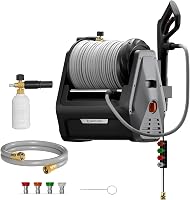
How to Use a Greenworks Pressure Washer
To use a Greenworks pressure washer, connect the water and high-pressure hose, purge air with the trigger, then start the washer. Begin with a wide spray tip and low pressure, test a hidden spot, and shut down by relieving pressure before disconnecting.
On this page (10 sections)
- How do you set up a Greenworks pressure washer?
- How do you start and prime the washer?
- Which spray tip should you use?
- How do you apply soap with a Greenworks washer?
- What can help if a hose or gun needs replacing?
- How do you move across a cleaning job?
- How do you shut down a Greenworks pressure washer?
- What should you do if the washer loses pressure?
- Which supplies are useful for a Greenworks pressure washer?
- How to use a Greenworks pressure washer safely
To use a Greenworks pressure washer, connect the hoses, purge air, start the machine, and clean with the widest spray that works. Test the spray on a hidden area, keep the nozzle moving, and release pressure before you disconnect anything.
Greenworks makes several washer models, so controls and accessories can differ. Use the owner's manual for your exact unit, especially for detergent, nozzle compatibility, electrical setup, and winter storage.
How do you set up a Greenworks pressure washer?
Set up the washer on a stable surface near a water source and a suitable power outlet, if it's electric. Check the manual for required water flow, extension cord rules, and any model-specific steps.
- Turn the power switch off before connecting hoses.
- Attach the high-pressure hose to the washer outlet and spray gun.
- Connect a garden hose to the washer's water inlet.
- Turn on the water supply fully.
- Squeeze the gun trigger until water runs steadily, clearing air from the pump and hose.
- Fit a compatible spray tip, then connect power or prepare the engine as directed.
Check that hose fittings are secure and that the garden hose isn't kinked. Use only accessories that fit your model and pressure rating.
What should you check before starting?
Check the inlet filter, hose connections, cord, and spray gun for damage. Keep the power cord and plug away from standing water, and use a grounded outlet with ground-fault protection as specified by the manual.
Wear eye protection and closed-toe shoes. Move people, pets, and fragile items away from the work area because the spray can throw debris.
How do you start and prime the washer?
Let water flow through the washer before switching it on. Squeezing the trigger first helps push trapped air out, which reduces the chance of running the pump dry.
Once the water stream is steady, follow the manual's switch and trigger instructions. Electric models and gas models have different startup steps, so don't assume one unit's controls apply to another.
If the motor doesn't start, stop and check the outlet, GFCI, water supply, and connections. Don't keep resetting a tripped breaker or run the pump without water.
Which spray tip should you use?
Choose the widest spray angle that can clean the surface, then adjust only after a test spot. A wider fan spreads the force over more area, while a narrow stream concentrates it.
Use a soap nozzle or low-pressure setting to apply detergent if your model supports it. A narrow or turbo spray can damage paint, soft wood, siding, seals, or other delicate surfaces.
Start several feet away and test where a mistake won't show. Keep the tip moving and follow the washer manual's guidance for distance and compatible tips.
For background on how pressure and water flow work together, see what cleaning power means on a pressure washer.
How do you attach a spray tip?
Turn the washer off and release trigger pressure before changing tips. Pull back the quick-connect collar, insert a compatible tip fully, and release the collar to lock it in place.
Give the tip a gentle tug to confirm it's seated. Never point the gun at yourself or anyone else while checking the connection.
How do you apply soap with a Greenworks washer?
Use only pressure-washer detergent and the soap tank or injector built into your model. Fit the low-pressure soap tip or select the detergent setting, then apply soap from bottom to top if the surface instructions call for it.
Let detergent sit for the time on its label, but don't let it dry on the surface. Rinse with clean water using a suitable spray tip and a top-to-bottom pass.
Don't put soap into the pump or detergent tank unless the manual identifies that tank for soap. For detergent choices and use, read what soap you can use in a pressure washer.
What can help if a hose or gun needs replacing?
A replacement hose must match the washer's pressure rating and connection type. The Flexzilla Pressure Washer Replacement Hose is a 50 ft hose with M22 fittings and a stated maximum pressure of 3,100 PSI; confirm the thread and pressure fit your Greenworks unit before choosing it.
If the gun or wand is leaking, cracked, or won't hold an accessory securely, stop using the washer until you find a compatible replacement. Compare Greenworks pressure washer replacement wands and Greenworks pressure washer replacement guns by model fit and connection type.
For a compact gun option, see our guide to the best short pressure washer gun. Don't assume a fitting is compatible because it looks similar.
How do you move across a cleaning job?
Work in manageable sections and keep the spray moving at a steady pace. Overlap each pass slightly so you don't leave stripes, and avoid aiming at electrical parts, vents, window seals, or gaps in siding.
Use less pressure on painted or soft surfaces and more distance on anything that may mark. If the surface changes color, splinters, or shows damage, stop and reassess the tip, distance, and method.
The Best Greenworks Pressure Washers guide can help you compare models for home projects. If you want an electric unit, see best Greenworks electric pressure washers.
How do you shut down a Greenworks pressure washer?
Shut down in this order: switch off the washer, turn off the water, and squeeze the trigger to release pressure. Then disconnect hoses and accessories according to the manual.
For electric models, unplug by holding the plug rather than pulling the cord. Drain water from the pump and hoses if the manual instructs you to, especially before storing the unit where temperatures may freeze.
Don't leave a pressurized hose attached in storage. Keep the washer, gun, and tips in a dry place, and check the manual for pump-protection steps.
What should you do if the washer loses pressure?
Check the water supply, inlet filter, hose for kinks, nozzle for blockage, and connections for leaks. Turn off the washer and release pressure before inspecting or cleaning a tip.
A worn or clogged tip can change the spray pattern, while a loose fitting can leak. If the problem persists, stop using the machine and follow Greenworks support guidance for your model.
A Greenworks washer uses a pump made for its own pressure and flow, so a pump from another brand isn't automatically a fit. For comparison, see which replacement pump fits a Kärcher pressure washer.
Which supplies are useful for a Greenworks pressure washer?
Choose accessories based on the connection and task. A replacement hose can help when the original is damaged, while a new gun or wand is useful only when it matches the washer.
The Westinghouse WPX3000e has a 25 ft hose, spray gun and wand, five nozzle options, and an onboard soap tank. The Westinghouse ePX3500 includes a 25 ft hose, steel wand, five-nozzle set, and a 20 oz soap tank; these are alternatives to compare, not Greenworks parts.
Pick accessories only after checking the Greenworks model number and manual. A matching connection alone doesn't confirm pressure compatibility.
How to use a Greenworks pressure washer safely
For a safe routine, prime with water, begin with a wide spray, test first, and release pressure before disconnecting. Follow the model's manual whenever its instructions differ from general steps.
If a surface is fragile, use a gentler cleaning method or test a hidden spot before continuing. Stop if you see damage, a hose leak, or an electrical issue.
For the best Greenworks pressure washer setup, match the unit, tips, hose, and gun to the task and the model's limits. A compatible wide-angle tip and steady distance are the right starting point for most new owners.
Frequently asked questions
How do you start a Greenworks pressure washer?
Connect the garden hose and high-pressure hose, turn on the water, and squeeze the gun trigger until water flows steadily without air spurts. Then connect power or follow the model's fuel and engine steps, switch the washer on, and use the trigger to spray.
Follow the exact manual for your model.
Which nozzle should I use first?
Start with the widest spray angle your Greenworks model provides, often a 40-degree tip, or use its low-pressure soap setting for detergent. Test on an inconspicuous area from a distance, then move closer only if the surface tolerates it.
Never begin with a narrow, high-impact spray.
Can you use soap in a Greenworks pressure washer?
Yes, if your model has a detergent tank or soap-injection setup, and the detergent is labeled for pressure washers. Use the low-pressure soap nozzle or setting described in the manual.
Don't pour detergent into the pump or use bleach unless Greenworks specifically allows it.
How do you shut down a Greenworks pressure washer?
Switch the washer off and disconnect its power or stop the engine, then turn off the water supply. Squeeze the trigger until pressure is released before disconnecting the gun, hose, or water line.
Follow the manual's storage steps, including draining water if freezing temperatures are expected.