Which Nozzle Should You Use for a Deck? What Experts Say

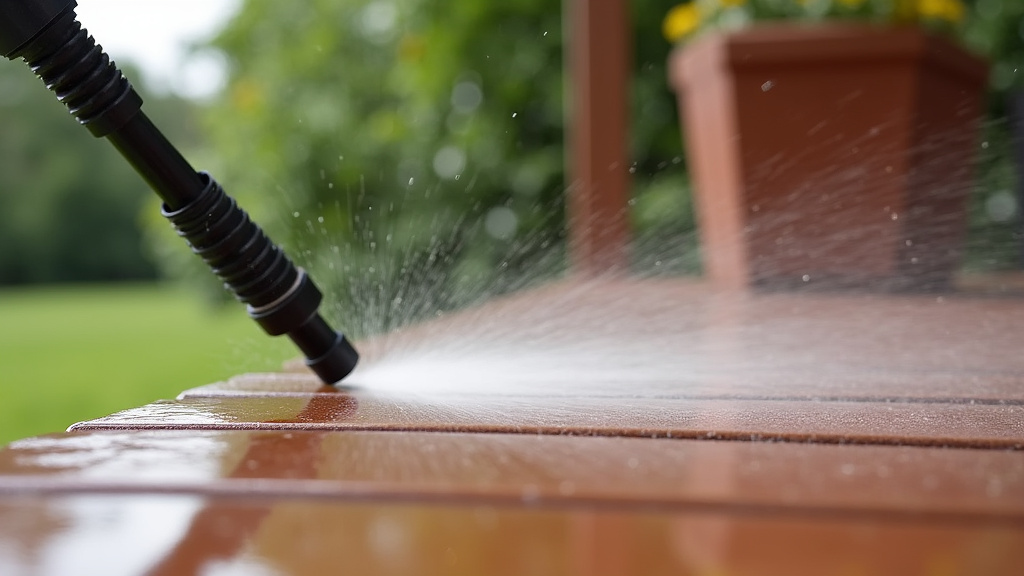
When cleaning your deck, the best nozzle choice often depends on the job. For general washing, a wider fan spray is usually ideal. It helps cover more area quickly without damaging the wood. Think of it like a gentle shower for your deck.
Using the wrong nozzle can cause problems. A too-narrow spray can actually etch or damage the wood grain. You want to remove dirt and grime, not create new grooves. Many experts recommend starting with a broader angle to be safe.
- A wider nozzle is best for general deck cleaning.
- It covers more area and is gentler on wood.
- A narrow nozzle can cause damage.
- Always test in an inconspicuous spot first.
Let’s break down the nozzle types and find the perfect fit for your deck cleaning project.
Choosing the Right Pressure Washer Nozzle for Your Deck
Selecting the correct nozzle for your pressure washer is key to cleaning your deck effectively and safely. It’s not just about power; it’s about precision. Using the wrong one can lead to frustration and damage. We’ve looked at what experienced cleaners and manufacturers recommend.
Understanding Pressure Washer Nozzles: The Basics
Pressure washer nozzles are your primary tool for controlling the spray pattern and intensity. They work by narrowing or widening the opening where water exits. This directly impacts the pressure and coverage of your water stream.
Color Coding: A Quick Visual Guide
Most pressure washer nozzles come with a simple color-coding system. This makes it easy to identify their intended use at a glance. Generally, red is the narrowest and most intense, while green, white, and black offer wider, gentler sprays.
Understanding Fan Width and Degrees
Nozzles are rated by their fan angle, measured in degrees. A smaller degree means a narrower, more concentrated stream. A larger degree means a wider, more dispersed stream. For deck cleaning, you want to balance cleaning power with surface protection.
Nozzle Types and Their Deck Cleaning Applications
Let’s dive into the common nozzle types and where they fit into your deck cleaning strategy.
The Red Nozzle (0 Degrees): Generally Avoid for Decks
The red nozzle offers a pinpoint, zero-degree stream. This is incredibly powerful but also very dangerous for wood surfaces. It’s designed for extreme, concentrated cleaning on very tough materials, like blasting away stubborn rust or concrete.
Using this on your deck is like trying to wash a car with a fire hose. You’re almost guaranteed to gouge the wood, creating permanent damage. Experts consistently advise against using the red nozzle for any deck cleaning task.
The Yellow Nozzle (15 Degrees): Use with Extreme Caution
The yellow nozzle creates a 15-degree fan spray. This is still a relatively narrow and powerful stream. It can be effective for removing dirt in tight spots or on very durable, weathered wood.
However, it requires a steady hand and careful technique. You need to keep the nozzle moving constantly and at a consistent distance from the deck surface. Many professionals reserve the yellow nozzle for specific spot cleaning, not general deck washing.
The Green Nozzle (25 Degrees): A Good All-Arounder
This is often considered the workhorse nozzle for many outdoor cleaning tasks, including decks. The green nozzle produces a 25-degree fan spray. It provides a good balance between cleaning power and coverage.
It’s strong enough to lift dirt and grime without being overly aggressive. You can cover larger sections of your deck more quickly than with a 15-degree nozzle. This is a safe bet for most wooden decks when used correctly.
The White Nozzle (40 Degrees): The Gentle Giant for Decks
The white nozzle offers a wide 40-degree fan spray. This is the gentlest of the common fan nozzles. It disperses the water over a much larger area, significantly reducing the pressure on any single spot.
This makes it ideal for sensitive surfaces like softer woods or older, more fragile decks. It’s excellent for rinsing after applying a cleaner or for general washing of lightly soiled areas. You’ll cover more ground quickly, but it might take longer to remove heavily caked-on dirt.
The Black Nozzle (65 Degrees or Soap Nozzle): For Detergents Only
The black nozzle usually has the widest spray pattern, often around 65 degrees, or it’s specifically designed for applying detergent. Its primary function is to dispense cleaning solutions at a low pressure. You’ll rarely use this for the actual scrubbing or rinsing phase of deck cleaning.
When you’re using a deck cleaner, you’ll typically switch to the black nozzle to apply the solution evenly across the surface. Afterward, you’ll switch back to a wider fan nozzle (like green or white) to rinse it off.
How to Choose Your Deck Nozzle: Expert Advice
So, which nozzle should you actually grab? Experts agree that it’s about more than just the wood type.
When in Doubt, Start Wide and Gentle
The cardinal rule for deck cleaning is to err on the side of caution. If you’re unsure about your deck’s material or its condition, always start with the widest and gentlest nozzle you have, typically the white (40-degree) one. You can always switch to a narrower nozzle if needed, but you can’t un-damage wood that’s been etched.
Consider Your Deck’s Material and Age
Different wood types and ages react differently to pressure. Softwoods like pine or cedar are more prone to damage. Older, weathered decks can be brittle. For these, the white or even a slightly wider nozzle (if available) is your best friend.
Hardwoods like ipe or mahogany can withstand a bit more pressure. For these, you might find a green (25-degree) nozzle effective, but always test first. We found that pressure washer manufacturers themselves often recommend specific nozzle ranges for different surfaces.
Test in an Inconspicuous Area
Before you blast away on the main part of your deck, always perform a spot test. Find a small area that’s not easily visible, perhaps on a corner or under a railing. Try your chosen nozzle there to see how the wood reacts.
Pay attention to any signs of splintering, gouging, or excessive fuzziness. If the wood looks stressed, switch to a wider fan nozzle. This simple step can save you from a costly mistake.
Distance Matters as Much as the Nozzle
No matter which nozzle you choose, the distance between the nozzle tip and the deck surface is critical. Holding the wand too close increases the effective pressure and risk of damage. Too far, and you won’t get the cleaning power you need.
A general guideline is to keep the nozzle tip about 12-18 inches from the surface. Adjust this based on the nozzle type and how well it’s cleaning. Maintain a consistent distance for an even finish.
What About Special Deck Cleaning Nozzles?
You might see special “deck scrubber” attachments. These often have rotating brushes or wider, fan-like heads designed to cover more area and provide a more uniform clean. They can be very effective, especially for larger decks.
These attachments often integrate a wider spray pattern or use rotating nozzles to achieve this. If you plan on cleaning your deck frequently, investing in a good deck scrubber attachment can be a smart choice for efficiency and safety.
Quick Checklist for Choosing Your Deck Nozzle
To make your deck cleaning a breeze, keep this simple checklist handy:
- Start with the widest nozzle (white, 40-degree).
- Test on an hidden spot first.
- Consider your deck’s wood type (soft vs. hard).
- Adjust distance for consistent cleaning.
- Use the black nozzle only for soap application.
- Avoid red (0-degree) nozzles entirely.
When to Use a Pressure Washer vs. a Garden Hose
While pressure washers are powerful, they aren’t always the best tool. For very delicate or old wood, a strong garden hose with a good spray nozzle might be sufficient. You can still use deck cleaning solutions with a hose by applying them with a garden sprayer.
A pressure washer is generally needed for removing stubborn mold, mildew, or deeply ingrained dirt. If you’re only dealing with light dust and debris, your trusty garden hose might be all you need. It’s always better to be gentle than to risk damage.
Conclusion
Choosing the right nozzle for your deck cleaning project is all about protecting your wood while getting it clean. We found that experts consistently recommend starting with a wider, gentler spray, like a white (40-degree) nozzle, especially if you’re unsure about your deck’s condition. Remember to always test in an inconspicuous spot first, and keep the nozzle moving at a consistent distance. By following these simple guidelines, you can effectively clean your deck without causing damage. Happy cleaning!
Frequently Asked Questions
What’s the safest nozzle to use on my deck if I’m not sure of the wood type?
When in doubt, always start with the widest fan nozzle available, typically the white 40-degree nozzle. This offers the most gentle spray pattern and significantly reduces the risk of damaging softer or older wood.
Can I use a pressure washer on an old, weathered deck?
Yes, but you must be extremely careful. For older, more fragile decks, stick to the widest spray nozzle (like white, 40-degree) and keep the wand at a greater distance. If even that seems too strong, consider using a garden hose instead.
How far away should I hold the pressure washer wand from the deck?
A good starting point is to hold the nozzle tip about 12 to 18 inches away from the deck surface. You’ll need to adjust this distance slightly based on the nozzle you’re using and how effectively it’s cleaning. Experiment to find the sweet spot.
Is a special deck cleaning attachment better than just using a nozzle?
Deck scrubber attachments can be very helpful. They often use rotating brushes or very wide spray patterns to clean more uniformly and efficiently, especially on larger areas. They can be a worthwhile investment for frequent deck cleaning.
When is it okay to use a narrower nozzle, like the green 25-degree one?
You can consider a narrower nozzle like the green (25-degree) one on hardwood decks that you know can withstand more pressure, or for tackling stubborn spots. However, you must still perform a test in a hidden area first to ensure it doesn’t damage the wood.