How Does a Pressure Washer Soap Injector Work?
A pressure washer soap injector works by using the machine’s water pressure to draw detergent from a separate container and mix it with the water. This system creates a low-pressure stream that effectively applies cleaning solutions to surfaces. It’s a smart way to boost your cleaning power without extra effort, making tough jobs much easier.
Understanding how this component functions is key to getting the most out of your pressure washer. It’s a simple yet clever design that helps you tackle grease, grime, and dirt more efficiently. Many users find that a functioning soap injector transforms a standard wash into a deep clean, saving both time and elbow grease.
- It mixes soap with water.
- Uses water pressure to suck soap.
- Creates a low-pressure soap spray.
- Helps you clean faster and better.
Let’s dive in and look at how your pressure washer’s soap injector actually does its job, step by step.
Understanding Your Pressure Washer’s Soap Injector System
Your pressure washer’s soap injector is a clever piece of engineering. It allows you to add detergent to your cleaning tasks. This system automates the soap application. You don’t have to stop and mix solutions manually. It makes cleaning faster and more effective.
The Basic Principle: Venturi Effect in Action
At its core, the soap injector works using a principle known as the Venturi effect. You might have heard of this in plumbing or even in science class. It’s a fundamental concept in fluid dynamics.
What is the Venturi Effect?
The Venturi effect describes what happens when a fluid, like water, flows through a constricted section of pipe. As the water speeds up through this narrow part, its pressure drops. Think of squeezing a garden hose to make the water spray farther. You’re creating a similar effect.
How it Applies to Your Pressure Washer
Your pressure washer’s pump creates high-pressure water. This high-pressure water is essential for its cleaning power. However, to draw soap, you need a lower-pressure zone. The soap injector creates this zone.
Inside the injector, there’s a nozzle or a constriction. When the high-pressure water from the pump passes through this narrow point, its speed increases. Simultaneously, its pressure drops significantly. This drop in pressure creates a suction effect. It’s like a tiny vacuum cleaner.
Components of a Typical Soap Injector System
While designs can vary slightly, most pressure washer soap injectors share common components. Understanding these parts helps you see how they work together.
The Injector Tube (or Wand)
This is the visible part you often attach to your pressure washer wand. It usually has a small external tube or a nipple. This is where your detergent hose connects. It’s designed to be in the water path after the pump but before the nozzle.
The Internal Nozzle or Jet
This is the heart of the injector. It’s usually a small, precisely shaped piece inside the injector body. As water rushes past it, it creates the low-pressure area. The size and shape of this nozzle are critical for proper suction.
The Detergent Pickup Tube and Filter
This is the flexible hose that you place into your soap container. The other end connects to the injector. At the end that goes into the soap, there’s usually a small filter. This filter prevents debris from entering the injector and clogging it.
The Check Valve
Many injectors include a check valve. This is a one-way valve. Its job is to prevent the soapy water from flowing back into the clean water supply. It ensures that only detergent is drawn into the water stream.
Step-by-Step: How the Soap Gets Mixed
Let’s follow the journey of the water and soap. This will clarify the process for you.
1. Water Enters the Injector
After leaving the pressure washer’s pump, the high-pressure water flows into the soap injector body. It’s moving fast and with considerable force.
2. Water Passes Through the Constriction
The water then rushes through the narrow internal nozzle. This is where the Venturi effect takes over. The water’s speed skyrockets, and its pressure plummets.
3. Suction is Created
The sudden drop in pressure creates a vacuum. This vacuum is strong enough to pull liquid from the detergent pickup tube. Think of it like sipping through a straw.
4. Detergent is Drawn In
The detergent in your container is now pulled up the pickup tube. It enters the injector body through a separate port.
5. Mixing Occurs
Inside the injector, the incoming water and the drawn-in detergent meet. They begin to mix together. The turbulence created by the water flow helps blend them.
6. The Mixture Exits
The combined water and detergent mixture then flows out of the injector. It continues towards the pressure washer’s spray nozzle.
7. Reduced Pressure Application
It’s important to note that when the soap injector is active, the water pressure exiting the wand is lower. This is because the injector system is designed to operate at a reduced pressure. This low-pressure stream is perfect for applying soap evenly without blasting it away.
Why the Pressure Drops for Soaping
You might wonder why your pressure washer’s spray feels weaker when you’re using the soap injector. This is intentional and necessary for effective cleaning.
The Need for Low Pressure Soap Application
Applying detergent at high pressure would be counterproductive. It could strip paint, damage surfaces, or simply blast the soap away before it has time to work. You want the soap to cling to the surface and break down dirt and grime. A gentle, low-pressure application allows this.
How the System Achieves Lower Pressure
The injector itself is a point of restriction. When it’s drawing soap, it’s also acting as a bottleneck for the water flow. This inherent restriction, combined with the design of the internal nozzle, naturally lowers the overall pressure. Many experts suggest this is a key design feature for safe and effective cleaning (Pressure Washing Institute).
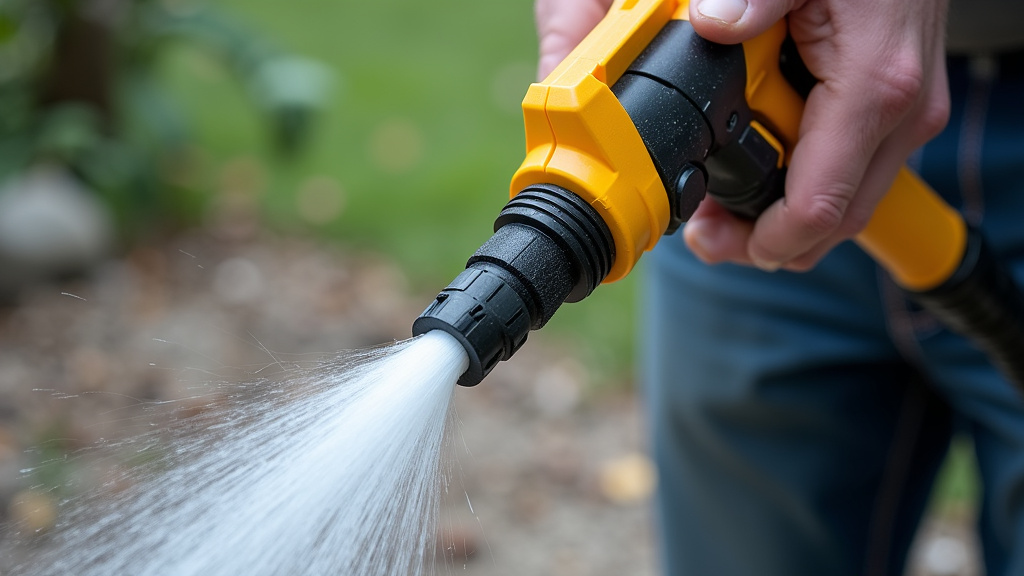
Common Types of Pressure Washer Soap Injectors
Most homeowner-grade pressure washers use one of two common types of soap injection systems.
On-Board Detergent Tanks
Some pressure washers have a built-in tank for detergent. These are convenient. They often use a simple siphon tube to draw soap directly from the tank into the water stream. They usually operate on the same Venturi principle as external injectors but are integrated into the machine.
External Siphon Systems
This is what most people picture. It involves a separate injector attached to the pressure washer. You place a hose into your own bucket or bottle of soap. This is the type we’ve primarily discussed.
Downstream vs. Upstream Injectors
There’s a slight variation in where the injector is placed. Most injectors, like the ones described, are downstream. This means they are placed after the pump. Some professional units might use an upstream injector, which is placed before the pump, but these are less common for general users and require specialized setups.
| Feature | On-Board Tank | External Siphon |
|---|---|---|
| Soap Storage | Built into the machine | External container (bucket, bottle) |
| Portability | Less flexible for different soaps | Very flexible, easy to switch soaps |
| Ease of Refill | Simple, but can be messy | Easy to refill from any container |
| Operation | Usually Venturi effect | Usually Venturi effect |
Troubleshooting Common Soap Injector Issues
Sometimes, your soap injector might not work as expected. Here are a few common problems and what might be causing them.
No Soap Being Drawn
This is the most frequent complaint. Several things could be happening:
- Clogged Filter: The filter on the pickup tube might be blocked with debris.
- Kinked Hose: The detergent hose could be bent, preventing suction.
- Low Detergent Level: The soap container might be empty or too low.
- Incorrect Nozzle Setting: Some wands have adjustable nozzles. Make sure it’s not set to a high-pressure rinse setting.
- Injector Clog: The internal nozzle might be clogged with dried soap.
- Wrong Water Pressure: The machine might not be producing enough pressure to create suction.
Soap is Too Diluted or Too Concentrated
If the soap mixture seems weak or overly strong, it could be due to:
- Injector Design: Different injectors have different fixed dilution ratios.
- Using the Wrong Detergent: Some detergents are thicker and may not siphon well.
- Partially Clogged Injector: If the injector is partially blocked, it can affect the draw rate.
Tips for Using Your Soap Injector Effectively
To get the best results from your pressure washer’s soap system, keep these simple tips in mind.
Use the Right Detergent
Always use detergents specifically designed for pressure washers. Household cleaners can damage the pump or seals. They might also not mix correctly.
Keep it Clean
After each use, flush the system with clean water. This prevents soap from drying and clogging the injector and pickup tube. We found this simple step makes a big difference. Many manufacturers recommend it.
Check the Filter Regularly
Give the filter on the pickup tube a quick inspection every few uses. Clean or replace it if it looks dirty. A clean filter ensures a smooth flow of detergent.
Store Properly
If you’re storing the pressure washer for a while, ensure all detergent is flushed out. Store the soap pickup tube in clean water or a designated cleaning solution to prevent drying and hardening.
Don’t Expect High Pressure During Soap Application
Remember that when the injector is active, you are operating at a lower pressure. This is normal and expected. Switch back to your high-pressure nozzle for rinsing.
Test Your Setup
Before tackling a big job, test your soap injector with water first. Make sure it’s drawing properly. Then, try it with your chosen detergent in an inconspicuous area.
Conclusion
Understanding how your pressure washer’s soap injector works demystifies a key cleaning feature. You’ve learned it harnesses the Venturi effect to create suction, drawing detergent from a container and mixing it with water at a lower pressure. This automated process makes applying cleaners efficient and safe for surfaces. Remember to keep your system clean and use the right detergents for the best results. Now you’re ready to make tough cleaning jobs much easier by putting your soap injector to work!
Frequently Asked Questions
Why does my pressure washer spray weaker when using soap?
This is completely normal and by design. The soap injector creates a low-pressure zone to apply detergent gently. High pressure would blast the soap away before it could work. The system intentionally reduces pressure when the injector is active for effective soap application.
How often should I clean my pressure washer’s soap injector?
It’s best to flush the system with clean water after every use. This prevents detergent from drying and clogging the injector or pickup tube. Regularly checking the filter on the detergent pickup tube is also a good habit.
Can I use any type of soap with my pressure washer’s injector?
No, you should only use detergents specifically made for pressure washers. Regular household cleaners can damage your machine’s pump, seals, or internal components. They might also not siphon or mix correctly.
What should I do if my soap injector isn’t drawing any soap?
First, check if the detergent container is empty or the pickup tube is kinked. Also, inspect the filter on the end of the pickup tube for clogs. If those are clear, the internal injector nozzle might be blocked with dried soap and could need cleaning or replacement.
Can I adjust the amount of soap my injector uses?
Most standard pressure washer soap injectors have a fixed dilution ratio, meaning you can’t typically adjust how much soap is drawn. If you need a different soap concentration, you might need to try a different detergent or consider a pressure washer with an adjustable injector system.