What Is a Soap Nozzle on a Pressure Washer?
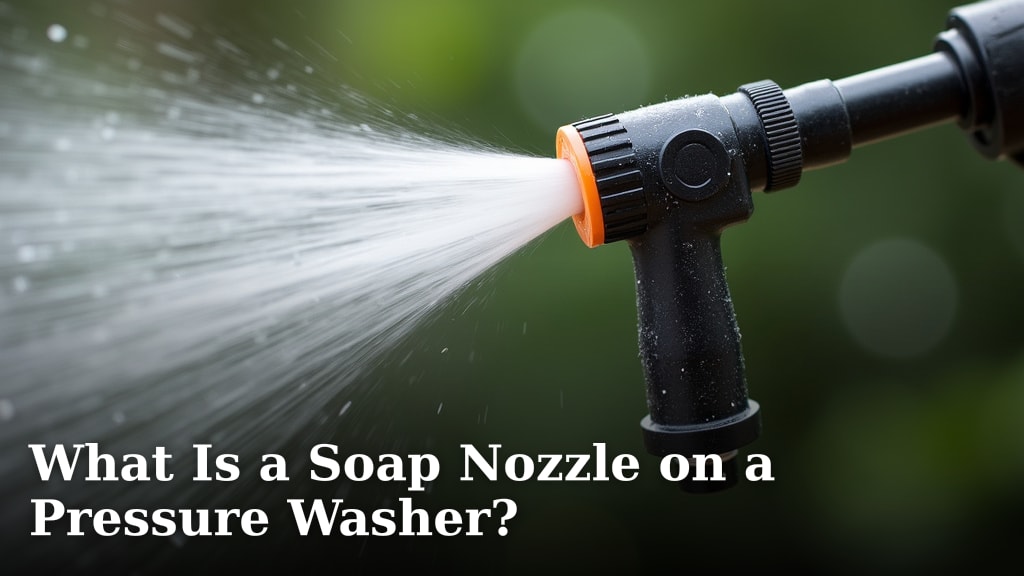
A soap nozzle on a pressure washer is a specific tip that creates a wider spray. This wider spray mixes water with detergent. It’s designed for applying soap to surfaces before cleaning. You’ll usually find it has a black color and a large orifice.
This nozzle is different from the ones you use for rinsing. Those create a more focused, high-pressure stream. The soap nozzle prioritizes coverage and a gentler application of cleaning solutions. Many pressure washer users find it essential for tackling tough grime and stains effectively.
- A soap nozzle makes a wide spray.
- It mixes water with detergent automatically.
- You use it to apply soap to surfaces.
- It’s usually black and has a large opening.
- It’s not for rinsing or high-pressure cleaning.
Below, we’ll explain exactly what a soap nozzle is and how you can use it to get the best cleaning results for your home.
Understanding Your Pressure Washer’s Soap Nozzle
So, you’ve got a pressure washer and you’re wondering about that special nozzle that seems to come with it. You might have noticed it’s usually black and looks a bit different. That’s your soap nozzle, and it plays a key role in making your cleaning tasks easier and more effective. Unlike the nozzles you use for blasting away dirt, this one is designed for a gentler approach.
Its primary job is to help you apply detergent to surfaces before you start scrubbing or rinsing. Think of it like a sprayer for your cleaning solution. It’s not meant for high-pressure cleaning itself. Instead, it creates a wide, low-pressure fan pattern. This pattern ensures you can cover a large area quickly with your chosen soap.
How Does the Soap Nozzle Work?
The magic of the soap nozzle lies in its design. It has a much larger orifice, or opening, compared to other nozzles. This larger opening is crucial for two reasons. First, it creates a wider spray pattern. Second, and more importantly, it’s designed to work with your pressure washer’s detergent siphon tube.
When you connect this nozzle and turn on the machine, the water flows through the wand. Because the orifice is so large, the pressure generated is much lower. This lower pressure creates a suction effect. This suction pulls detergent from your soap tank or bottle through the siphon tube and mixes it with the water. The result is a foamy, soapy spray that’s perfect for pre-treating surfaces.
The Role of the Orifice Size
The size of the nozzle’s opening, its orifice, dictates the spray pattern and pressure. The soap nozzle boasts the largest orifice in most pressure washer nozzle sets. This is intentional. A larger opening means less resistance to water flow, which translates to lower pressure and a wider fan.
Think of it like a garden hose. If you put your thumb over the end, the water shoots out with more force and a smaller stream. If you remove your thumb, you get a wider, gentler spray. The soap nozzle is designed to act like your thumb being removed from the hose, but in a controlled, fan-like way, and it’s specifically engineered to draw in soap.
Why Not Use Other Nozzles for Soap?
You might be tempted to try a different nozzle for applying soap, but we strongly advise against it. The other nozzles, like the 15-degree or 25-degree ones, are designed for higher pressure and more focused cleaning. If you tried to use them with a soap siphon, you’d find they don’t draw up detergent effectively, if at all.
Furthermore, the high pressure from these nozzles could potentially damage delicate surfaces or even cause the detergent to spray in an uncontrolled, inefficient manner. The soap nozzle is calibrated for the specific task of mixing and applying detergent. Using the wrong nozzle is like trying to paint a wall with a toothbrush – it’s just not the right tool for the job.
Identifying Your Soap Nozzle
The most common indicator of a soap nozzle is its color. In most pressure washer kits, the soap nozzle is the only one that is black. All the other nozzles, typically used for rinsing and high-pressure cleaning, will be red (0-degree), yellow (15-degree), green (25-degree), or white (40-degree).
Beyond the color, you can often tell by looking at the orifice. Hold it up to the light. You’ll see that the hole in the black nozzle is significantly larger than the holes in the other colored nozzles. This visual cue is a quick way to confirm you’ve found the right one for your soap application needs.
Color Coding: A Standard Practice
Pressure washer manufacturers generally stick to a color-coding system for their nozzles. This system is designed to help users quickly identify the correct nozzle for each task. While there can be slight variations between brands, the black nozzle for soap application is a widely adopted standard.
The other colors also represent specific spray angles: red for a pinpoint stream, yellow for a narrow fan, green for a wider fan, and white for a very wide fan. Understanding this color-coding can help you select the right nozzle for any job, ensuring both efficiency and safety. Research from consumer product safety groups often highlights the importance of using the correct nozzle for the intended task to prevent accidents and ensure optimal performance (Consumer Product Safety Commission).
The Size of the Opening Matters
As we’ve touched on, the size of the nozzle’s opening is critical. The soap nozzle’s large opening is what allows for the low-pressure delivery of soap. If you were to try and use a nozzle with a smaller opening for soap, the pressure would build up incorrectly. This can cause problems with your pressure washer’s pump.
It’s also worth noting that pressure washer nozzles are often marked with a degree number (e.g., 25°, 40°) or sometimes a size number that corresponds to the orifice diameter. The soap nozzle won’t typically have a degree marking because its function isn’t about the angle of the spray in the same way as the rinsing nozzles. It’s all about that wide coverage and soap delivery.
When to Use Your Soap Nozzle
The soap nozzle is your go-to for the initial stage of cleaning many different surfaces. Its main purpose is to apply a layer of detergent to lift dirt, grime, grease, and other stubborn stains. It’s particularly useful for situations where dirt has had time to really set in.
Think about cleaning a car, a dirty patio, a grimy siding on your house, or even outdoor furniture. Applying soap first loosens the dirt, making the subsequent rinsing step much more effective. It prevents you from just pushing dirt around with high pressure. It’s the essential first step in a thorough cleaning process.
Cleaning Your Vehicle
Your car, truck, or RV can look its best with a little help from your pressure washer and the soap nozzle. Spraying your vehicle with soapy water allows the detergent to break down road film, bug splatters, and general dirt. This pre-soaking makes it much easier to wash away the grime without scratching the paint. Remember to use a soap specifically designed for automotive use for the best results and to protect your vehicle’s finish. Spraying your vehicle with soapy water allows the detergent to break down road film, and our guide on how much PSI will damage a car explains safe practices.
Washing Your Home’s Exterior
Dirt, mold, and mildew can accumulate on your home’s siding, fences, and decks. The soap nozzle is perfect for applying a suitable house cleaning solution. This helps to loosen the build-up, making it easier to rinse clean. Always check the siding manufacturer’s recommendations and use a pressure washer-safe cleaner to avoid damage to your home’s exterior materials.
Cleaning Outdoor Furniture and Decks
Your patio furniture and wooden decks can get quite dirty over time. A good application of soap using the soap nozzle can lift away the embedded dirt and grime. After letting the soap dwell for a few minutes, you can rinse it away, revealing a much cleaner surface. For wood decks, use a cleaner appropriate for the wood type to prevent discoloration or damage.
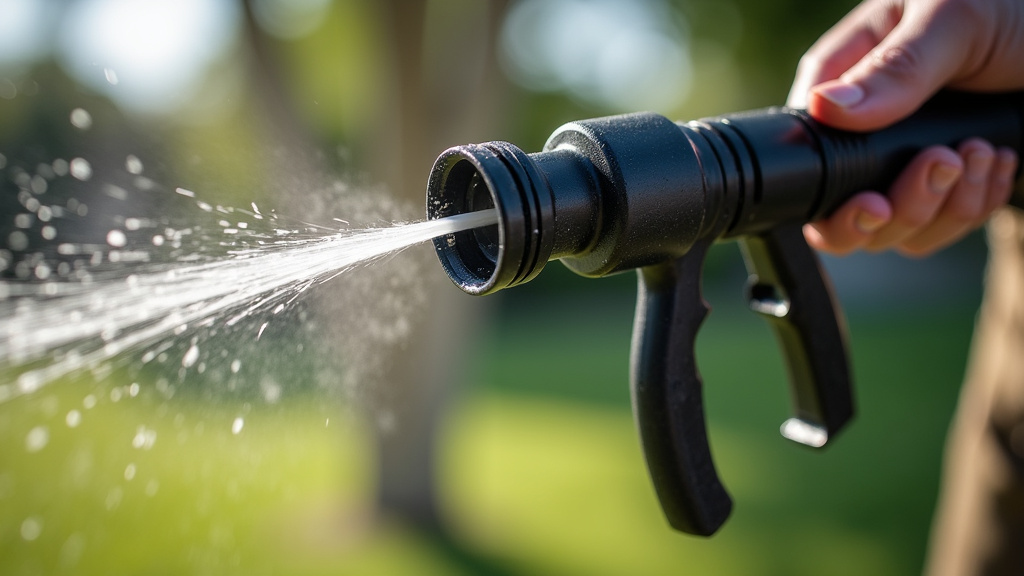
Tips for Using the Soap Nozzle Effectively
Using the soap nozzle correctly can make a big difference in your cleaning results. It’s not just about attaching it and spraying; a few best practices will ensure you get the most out of it.
- Choose the Right Detergent: Always use a pressure washer-specific detergent. These are formulated to work with pressure washers and the soap nozzle. Household detergents might not foam properly or could damage your machine.
- Pre-test in an Inconspicuous Area: Before applying soap to an entire surface, test it on a small, hidden spot. This helps you ensure the detergent and pressure combination won’t cause discoloration or damage.
- Don’t Let Soap Dry: Once you’ve applied the soap, don’t let it dry on the surface, especially in warm or sunny conditions. Dried soap can leave streaks or stains. Work in sections if necessary and rinse thoroughly.
- Switch Nozzles for Rinsing: This is a critical step! Once you’ve soaped a section, switch to your rinsing nozzle (usually the white or green one) immediately before rinsing. The soap nozzle is not for rinsing.
Common Mistakes to Avoid
Even with the right tool, mistakes can happen. Knowing what to avoid can save you time, effort, and potential damage to your pressure washer or the surface you’re cleaning. Many beginners make these common errors.
One of the most frequent mistakes is using the soap nozzle for rinsing. The low pressure just won’t get the job done effectively. You need the higher pressure of a rinsing nozzle to thoroughly remove the detergent and loosened grime. Another error is not cleaning the detergent tank or filter regularly. This can lead to blockages and poor performance.
Some users also forget to flush the detergent system after use. Leaving soap residue in the siphon tube and pump can cause corrosion over time. Always run clean water through the system for a minute or two after you finish using soap to keep your pressure washer in good working order. Following the manufacturer’s maintenance guidelines is key here, as many sources like the Associated Pressure Washers of North America suggest.
Not Switching Nozzles for Rinsing
This mistake is so common it deserves its own highlight. You apply soap with the black nozzle, and then you just keep using the black nozzle to rinse. This is ineffective. The black nozzle is designed to create a wide, low-pressure spray for soap application. It simply doesn’t have the pressure needed to rinse away dirt and detergent properly.
Think of it this way: you wouldn’t use a watering can to blast away mud; you’d use a hose. Similarly, after applying soap with your pressure washer’s soap nozzle, you must switch to a rinsing nozzle (like the green or white one) to get the job done right.
Letting Soap Dry on the Surface
Nobody likes dealing with streaks or stains. Allowing the soapy water to dry on the surface you’re cleaning is a sure way to get them. This is especially true on hot, sunny days. The water evaporates, leaving the soap and dirt behind in unsightly patterns. Work in manageable sections. Apply soap to one area, let it dwell for the recommended time (usually a few minutes), and then rinse it thoroughly before moving to the next section.
Forgetting to Flush the System
Your pressure washer is a machine, and like any machine, it needs proper care. Detergent can be corrosive. If you leave it sitting in the detergent siphon tube, pump, and internal parts after you’re done cleaning, it can cause damage over time. Always remember to flush your system by running clean water through it for a minute or two after you’ve finished using soap.
This simple step helps to wash away any residual detergent, protecting your pressure washer’s components and ensuring it performs well for years to come. It’s a small step that makes a big difference in the longevity of your equipment.
Checklist for Optimal Soap Nozzle Use
Here’s a quick rundown to ensure you’re using your soap nozzle like a pro:
- Always identify the black nozzle for soap application.
- Use a pressure washer-specific detergent.
- Apply soap to a cool, dry surface.
- Work in manageable sections to prevent drying.
- Immediately switch nozzles to a rinsing tip before rinsing.
- Flush the system with clean water after use.
Conclusion
You now understand that the black soap nozzle is your essential tool for the first stage of cleaning. It’s designed to gently apply cleaning solutions, breaking down tough grime before you rinse. Remember, this nozzle is for soap application only. Always switch to a different nozzle for rinsing to achieve the best results and protect your pressure washer.
By following these tips and avoiding common mistakes, you’ll make your cleaning tasks more efficient and your surfaces sparkle. Happy cleaning!
Frequently Asked Questions
Can I use the black soap nozzle for rinsing?
No, you should not use the black soap nozzle for rinsing. Its large orifice creates low pressure, which is perfect for applying soap but ineffective for removing dirt and detergent. Always switch to a rinsing nozzle (like green or white) for that step.
What happens if I use a different nozzle to apply soap?
Using a different nozzle, especially a high-pressure one, for soap application may prevent the detergent from being drawn up correctly. It can also lead to inefficient soap coverage or potentially damage delicate surfaces due to the higher pressure.
How do I know if my pressure washer has a soap nozzle?
Most pressure washer kits include a black nozzle, which is standard for soap application. You can also identify it by its significantly larger opening (orifice) compared to other nozzles used for rinsing.
What kind of soap should I use with the soap nozzle?
Always use a detergent specifically designed for pressure washers. These formulas are made to work with the siphon system and won’t damage your machine or leave residue. Check your pressure washer’s manual for recommended types of soap.
Why is it important to flush the pressure washer after using soap?
Flushing the system with clean water after using soap is vital. Detergent can be corrosive and leave residues that can damage your pressure washer’s pump and internal parts over time. This simple step helps maintain your equipment’s longevity.