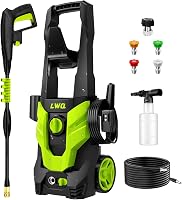
How to Rebuild a Pressure Washer Pump
Some pressure washer pumps can be rebuilt if the maker supports seal or valve service and the pump's hard parts are sound. Identify the model, get its exact parts diagram and kit, then follow the maker's disassembly and reassembly steps.
On this page (10 sections)
- Can pressure washer pumps be rebuilt?
- How do you tell whether a pump needs a rebuild?
- What should you prepare before opening the pump?
- How do you disassemble a serviceable pump?
- How do you replace pump seals?
- How do you reassemble the pump?
- Could the unloader valve be the problem instead?
- How can you reduce the chance of another pump failure?
- When should you get professional pump service?
- Is rebuilding a pressure washer pump worth it?
Some pressure washer pumps can be rebuilt if the maker supports internal service, replacement parts are available, and the main pump components are still sound. Find the model number and service diagram first, then replace only the specified wear parts and follow the maker's assembly instructions.
A rebuild is a precision repair, not a matter of opening the pump and swapping seals by sight. The parts and sequence vary, so the pump manual takes priority over general steps.
Can pressure washer pumps be rebuilt?
Yes, serviceable pumps can be rebuilt, but not every pump is designed for it. Check the manufacturer’s service information for your exact model before ordering parts or taking the pump apart.
Some pumps have replacement seals, valves, and service kits. Others may not have a supported internal rebuild path, or their required parts may be unavailable.
For a buying perspective on serviceable models, see electric washers with triplex pumps.
A pump with a cracked body, damaged crankcase, or badly worn drive parts may need replacement instead.
Start by recording the model and serial numbers from the pump or washer. Look up the parts diagram and confirm that a rebuild kit exists for that exact model and revision.
A pressure washer pump moves water through a set of valves and pumping parts. Understanding how a pressure washer pump works can help you see why a leak or pressure problem may come from different parts.
How do you tell whether a pump needs a rebuild?
Find the source of the problem before deciding to rebuild. A leak, low pressure, or pulsing spray can come from the pump, but it can also come from a hose, nozzle, water supply, or unloader valve.
Check that the water supply is adequate, the inlet screen is clear, and the nozzle is not blocked or worn. Look for loose fittings and inspect visible hoses before opening the pump.
If pressure changes when you release the trigger, the unloader valve may be involved. Learn how to repair a pressure washer pump to compare common symptoms and checks before committing to an internal repair.
Don't run a pump dry or keep operating it when it leaks heavily, makes unusual noise, or overheats. Stop, disconnect the washer from power, shut off the water, and relieve pressure through the gun before inspection.
If you need a replacement, check pressure washer gun compatibility before ordering.
What should you prepare before opening the pump?
Get the correct manual, parts kit, and tools before disassembly. You should be able to follow the maker's procedure and identify each part as it comes out.
Gather eye protection, gloves, clean containers, lint-free cloths, and a way to label or photograph parts. Depending on the pump, the service manual may call for specialty pullers, seal tools, snap-ring pliers, or a torque wrench.
Keep dirt and grit away from open water passages. A small scratch on a sealing surface can cause a new seal to leak.
Don't use a generic rebuild kit based only on the washer's brand. The washer and pump may come from different makers, and similar looking parts may have different sizes or shapes.
How do you disassemble a serviceable pump?
Follow the model's service manual in order, keeping each part clean and labeled. The steps below are a general workflow, not a substitute for the maker's diagram or torque values.
- Disconnect the washer from its power source and water supply.
- Squeeze the gun trigger to release trapped pressure, then remove the gun and hoses as directed.
- Clean the outside of the pump so debris can't fall into open passages.
- Photograph the pump and mark the orientation of the manifold and other parts.
- Drain fluids only as instructed by the manual, and keep them away from work surfaces.
- Remove the pump components in the stated order, using the specified tools.
- Place each part in sequence and note the direction of seals, valves, and retainers.
Avoid prying between mating surfaces with a screwdriver. If a part won't release with the specified tool and method, stop and check the manual rather than increasing force.
How do you replace pump seals?
Replace seals with the exact parts listed for your pump, and install them in the specified direction. A kit's compatibility and contents depend on the pump model.
Remove old seals without scratching the bore, plunger, or other sealing surfaces. Clean the area with a method approved by the manufacturer, then inspect it for scoring, corrosion, cracks, or debris.
Use the seal tool or installation method named in the service instructions. Don't stretch a seal over a sharp edge or hammer it into place unless the manual calls for that method.
A replacement seal won't correct a worn or damaged surface. If the plunger, bore, or mating face is scored, stop and check whether that part can be replaced or whether the pump should be serviced professionally.
How do you reassemble the pump?
Reassemble the pump in the manual's order and orientation, using its specified fasteners and torque values. Keep parts clean as you work, and don't guess at a missing step.
Check that each valve and seal sits in the correct position. Make sure mating surfaces align without forcing them, and tighten fasteners evenly if the manual gives a pattern.
Refill or replace pump oil only if the pump design and service instructions call for it. Don't add oil to a sealed or maintenance-free pump unless the manufacturer specifies how.
Before restarting, reconnect hoses and fittings as directed. Turn on the water and purge air from the system with the gun before starting the motor, following the washer manual.
Could the unloader valve be the problem instead?
Yes, an unloader fault can affect pressure, so check it before rebuilding the pump. Use the washer's service procedure to diagnose it because incorrect adjustment can harm the pump or create unsafe pressure.
If the valve needs replacement, match its thread, flow, pressure, and compatibility to your washer and pump. The General Pump Trapped Pressure Unloader Valve has 1/2 in NPT connections and a listed maximum operating pressure of 4,050 PSI.
The Carbpro 310924003 is described for certain Homelite, Troy-Bilt, Ryobi, and other pressure washer pump applications. Confirm the exact model and part number in your manual before choosing it.
The Threlaco 3 Pack Vrt3-310 has 3/8 in female connections and a stated maximum pressure of 4,500 PSI. Its compatibility notes name AR, Comet, and Cat Pump applications, so verify your pump's requirements and use qualified installation if needed.
A replacement unloader isn't a substitute for checking the pump model and system requirements. See our guide to the best pressure washer unloader valve for more on matching a valve to the washer.
How can you reduce the chance of another pump failure?
Use clean water, follow the washer's maintenance schedule, and avoid running the pump without water. These steps help protect seals and other internal parts from avoidable wear.
Follow the manual for inlet filtration, winter storage, and oil checks. Keep the water inlet screen clean, and use only the soap and detergent method the washer maker approves; our guide explains what soap you can use in a pressure washer.
Inspect the hose and gun connections for leaks before each use. A suitable pressure washer hose and gun helps you replace worn accessories with parts that fit your machine.
When should you get professional pump service?
Use a pump repair shop when the manual is unavailable, the pump is damaged, or the repair needs tools and measurements you don't have. A professional can identify whether the pump is repairable and whether the parts cost and labor make sense.
Stop work if you find a cracked manifold, damaged drive, seized parts, or deep scoring. Don't run the washer to test a pump that has been assembled with uncertain parts or unexplained damage.
After repair, follow the maker's startup and pressure-check procedure. For general upkeep, see how to service a pressure washer pump; for washer operation basics, use how to use a Greenworks pressure washer.
Is rebuilding a pressure washer pump worth it?
Rebuild the pump when the maker supports the repair, the correct parts are available, and the main components remain in good condition. Choose professional service or replacement when the pump is damaged or the required steps exceed your tools and experience.
Start with the model number and service diagram, then rule out simple hose, nozzle, water supply, and unloader problems. If the pump passes those checks and has a supported seal or valve kit, follow its exact service instructions.
Frequently asked questions
Can pressure washer pumps be rebuilt?
Yes, some pressure washer pumps can be rebuilt when the manufacturer supports internal service and replacement parts are available. Check the pump model and parts diagram before opening it.
If the crankcase, plunger, or pump body is damaged, or the needed parts aren't sold, replacement may be more practical.
What parts are usually replaced in a pump rebuild?
A service kit may include water seals, oil seals, valves, O-rings, or other wear parts, but the contents vary by pump. Use the exact parts diagram and kit for your model.
Don't assume a seal kit fixes scored plungers, a cracked manifold, or damage to the drive.
Do you need special tools to rebuild a pressure washer pump?
Often, yes. The pump design may call for pullers, seal tools, snap-ring pliers, or a torque wrench, and the exact needs vary by model.
Check the service manual before disassembly.
Improvised tools can score sealing surfaces or damage parts that might otherwise be reused.
Should you rebuild a pressure washer pump yourself?
Rebuild a pump yourself only if its maker provides service instructions, you can identify each part, and you have the tools to remove and install parts without damage. Otherwise, ask a pump repair shop to assess it.
Stop if the pump is cracked, badly worn, or hard to identify.